« Il n’y a pas de pire aveugle que
celui qui ne veut pas voir »
« Il n’y a pas de pire sourd que
celui qui ne veut pas entendre »
« Je vis dans un monde sur réaliste, une sorte d’asyle d’aliénés mentaux à ciel ouvert. Si un OVNI devait venir me prendre ce soir, je ne concidérerais pas ça comme un kidnapping mais comme un sauvetage. »
Merci au Label: Metronome Records.
Surd și orb
« Nu există orb mai rău decât cel care nu vrea să vadă »
„Nu există surd mai rău decât cel care nu vrea să audă »
« Trăiesc într-o lume suprarealistă, un fel de azil mental în aer liber. Dacă un OZN ar veni să mă ia în seara asta, nu aș considera că este o răpire, ci o salvare. »
Mulțumim casei de discuri: Metronome Records.
Deaf and blind
« There is no worse blind than he who
doesn’tnot want to see »
« There is no worse deaf than he who
doesn’t want to hear »
« I live in a surreal world, a kind of open-air mental asylum. If a UFO were to come and get me tonight, i wouldn’t consider it a kidnapping but a rescue. »
« Car une image vaut mille mots, je vous invite aujourd’hui à contempler un tableau, un chef-d’œuvre Divin, La Vie que le Créateur que nous sommes a peint de ses mains. »
Laissez-vous emporter par ces superbes images que nous devons à Samuel Stemmer sur la musique du génialissime Thomas Bergersen.
Cet article est dédié aux défenseurs de ce qu’il y de plu beau en ce monde: La vie et l’amour.
Vidéos: Un festival de couleurs et de notes pour un voyage intemporel.
Samuel Stemmer / Thomas Bergersen « Mountain call »
Glaucio Cristelo « Someone like you »
Oliver shanti and friends « Journey to shamballa »
Sky Mubs « Rain of light »
We are all connected « We are all connected »
Moby « Innocent »
Kid Francescoli live from Nopalitos; « Circle Stories »
***** Viaţă *****
„Pentru că o imagine valorează cât o mie de cuvinte, vă invit astăzi să contemplați un tablou, o capodopera divină, Viața pe care Creatorul care suntem noi a pictat-o cu mâinile sale”.
Acest articol este dedicat apărătorilor a ceea ce este mai frumos în această lume: Viața și iubirea.
Videos: Un festival de culori și note pentru o călătorie atemporală.
Samuel Stemmer / Thomas Bergersen « Mountain call »
Glaucio Cristelo « Someone like you »
Oliver shanti and friends « Journey to shamballa »
Sky Mubs « Rain of light »
We are all connected « We are all connected »
Moby « Innocent »
Kid Francescoli live from Nopalitos; « Circle Stories »
***** Life *****
« Because a picture is worth a thousand words, i invite you today to contemplate a painting, a Divine masterpiece, The Life that the Creator that we are has painted with his hands. »
Let yourself be carried away by these superb images that we owe to Samuel Stemmer on the music of the brilliant Thomas Bergersen.
This article is dedicated to defenders of what is most beautiful in this world: life and love.
Videos: A festival of colors and notes for a timeless journey.
Samuel Stemmer / Thomas Bergersen « Mountain call »
Glaucio Cristelo « Someone like you »
Oliver shanti and friends « Journey to shamballa »
Sky Mubs « Rain of light »
We are all connected « We are all connected »
Moby « Innocent »
Kid Francescoli live from Nopalitos; « Circle Stories »
Film complet, version originale et version Française.
Film complet, versiune originală și versiune franceză.
Full movie, original version and French version.
Culture et Cinema
***** Retour vers le futur *****
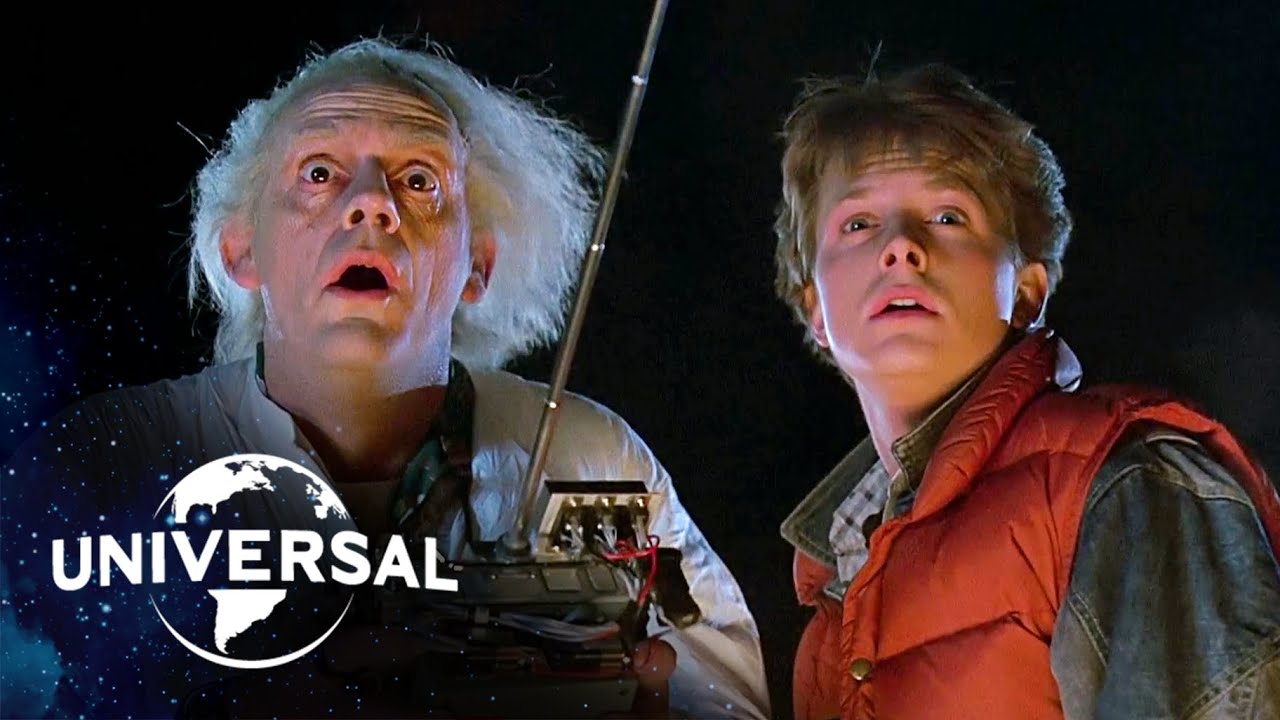
Christopher Lloyd et Michael J. Fox
L’intrigue relate le voyage dans le passé d’un adolescent, Marty McFly, à bord d’une machine à voyager dans le temps fabriquée par le docteur Emmett Brown, à partir d’une voiture de modèle DeLorean DMC-12. Parti de l’année 1985 et propulsé le , Marty, aidé du « Doc » de 1955, doit résoudre les paradoxes temporels provoqués par ses interventions dans le passé, et trouver le moyen de faire fonctionner la machine pour retourner à son époque d’origine.
Alors que le film était prévu comme film unique, son succès commercial donne lieu à deux suites, Retour vers le futur 2 (1989) et Retour vers le futur 3 (1990), qui forment une trilogie et entraînent le développement d’une franchise sur divers supports.
Cultură și cinema
*** Back to the future *****
Christopher Lloyd și Michael J. Fox
Intriga este o cronică a călătoriei în trecut a unui adolescent, Marty McFly, la bordul unei mașini a timpului realizată de doctorul Emmett Brown, dintr-un model DeLorean DMC-12. Începând din anul 1985 și propulsat pe 5 noiembrie 1955, Marty, ajutat de „Doc” din 1955, trebuie să rezolve paradoxurile temporale cauzate de intervențiile sale în trecut și să găsească o modalitate de a opera mașina pentru a se întoarce la vremea lui de origine.
În timp ce filmul a fost planificat ca o singură dată, succesul său comercial a dus la două continuare, Back to the Future 2 (1989) și Back to the Future 3 (1990), care au format o trilogie și au condus la dezvoltarea unei francize pe diverse medii.
Culture and Cinema:
*** Back to the future *****
Christopher Lloyd and Michael J. Fox
The plot chronicles the journey into the past of a teenager, Marty McFly, aboard a time machine made by Doctor Emmett Brown, from a DeLorean DMC-12 model car. Starting in the year 1985 and propelled on November 5, 1955, Marty,
with the help of the « Doc » of 1955, must resolve the temporal paradoxes caused by his interventions in the past, and find a way to operate the machine to return to his time. of origin.
While the film was planned as a one-off, its commercial success resulted in two sequels, Back to the Future 2 (1989) and Back to the Future 3 (1990), which form the trilogy we know today.
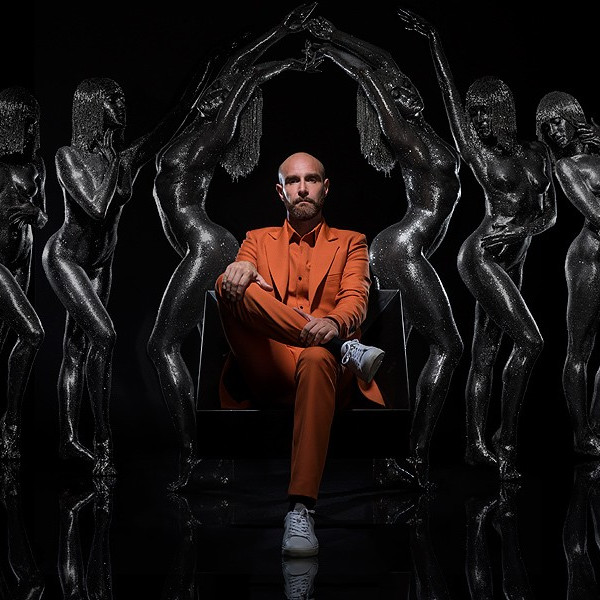
En vous baladant à Annecy, petite ville Française limitrophe de la Genève Internationale en Suisse, peut-être aurez-vous la chance d’y rencontrer: Pascal Arbez-Nicolas alias Vitalic.
Dans cet article, le vidéo clip réalisé en 2016 et coproduit avec David Shaw: « Waiting for the stars. » En bonus, une interview exclusive sous-titrée pour mes amis anglophones.
Quand la musique est bonne, tout est possible.
Cultură și cinema
***** VITALIC *****
În timp ce vă plimbați în Annecy, un mic oraș francez la granița cu Geneva Internațională în Elveția, poate că veți avea șansa de a-l întâlni acolo: Pascal Arbez-Nicolas alias Vitalic.
În acest articol, videoclipul realizat în 2016 și coprodus cu David Shaw: « Waiting for the stars. » Ca bonus, un interviu exclusiv subtitrat pentru prietenii mei vorbitori de engleză.
Când muzica este bună, orice este posibil.
Culture and Cinema
***** VITALIC *****
While strolling in Annecy, a small French town bordering International Geneva in Switzerland, perhaps you will have the chance to meet there: Pascal Arbez-Nicolas alias Vitalic.
In this article, the video clip made in 2016 and co-produced with David Shaw: « Waiting for the stars. » As a bonus, an exclusive interview with subtitles for my English-speaking friends.
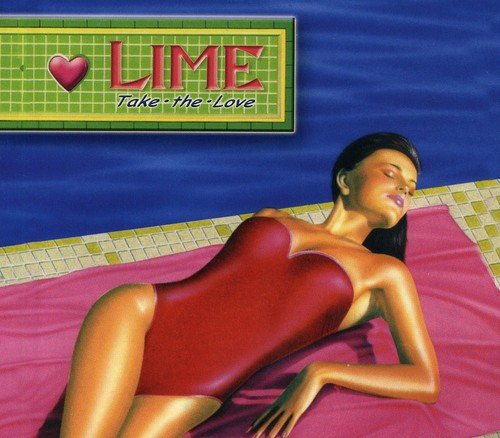
Lime est un groupe d’origine Canadienne formé au début des années 80 par le couple Denis et Denyse LePage. Groupe restera dans l’histoire pour 2 titres principalement: Celui qui les révèle en 1981 à savoir « Your love». Mais c’est surtout le désormais tube intergalactique « Babe we’re gonna love tonight », single sorti en 1982, qui les révélera aux yeux du public. Groupe qui se fera également remarquer par ses pochettes d’albums ou de singles très années 80, couleur fluo flashy, spécialement dessinées à l’aérographe par le Studio Graffiti.
Toujours très actifs aujourd’hui, ils composent et se produisent en alimentant cette fabuleuse base de données qu’est l’Internet.
On les retrouver ici dans quelques titres.
Cultură și cinema: grupul canadian Lime
Magia și ritmul sintetizatoarelor
Lime este un grup de origine canadiană format la începutul anilor 80 de cuplul Denis și Denyse LePage. Grupul va intra în istorie în principal pentru 2 titluri: Cel care le-a dezvăluit în 1981 și anume „Iubirea ta”. Dar este mai presus de toate hitul acum intergalactic „Babe we’re gonna love tonight”, un single lansat în 1982, care le va dezvălui ochiului public. Grup care se va remarca și prin albumele sau single-urile din anii 80, de culoare fluorescentă strălucitoare, special aerografate de Studio Graffiti.
Încă foarte activi astăzi, ei compun și performează prin hrănirea acestei baze de date fabuloase care este Internetul.
Le găsim aici în câteva titluri.
Culture & Cinema: The Canadian group Lime
The magic and rhythm of synthesizers
Lime is a Canadian group formed in the early 80s by the couple Denis and Denyse LePage. Group will go down in history mainly for 2 titles: The one that revealed them in 1981, namely « Your love ». But it is above all the now intergalactic hit « Babe we’re gonna love tonight », a single released in 1982, which will reveal them to the public. Group which will also stand out for its very 80s album or single covers, flashy fluorescent color, specially airbrushed by Studio Graffiti.
Still very active today, they compose and perform by feeding this fabulous database that is the Internet.
Insolite
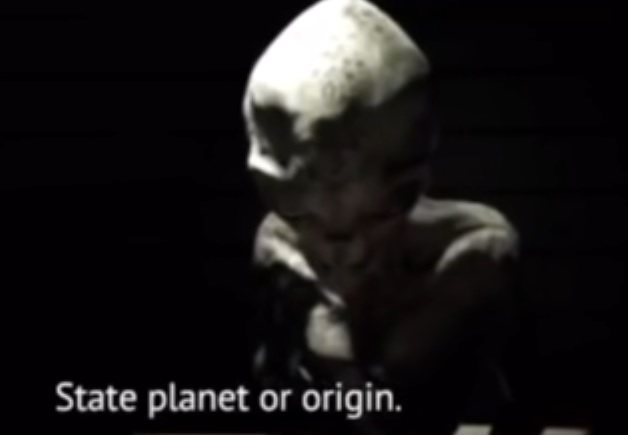
Un Extraterrestre Capturé et interviewé en Turquie
Que nous soyons blanc, moire, jaune ou rouge, nous avons tous nos origines. Dans le document présenté ici, s’agit-il d’u fake? Probablement. Cela nous questionne néanmoins sur cette récurrente demande de l’humanité: « Sommes-nous seuls dans l’infini de l’huniers?
je vous laisse apprécier l’excellent film d’Alex Proyas « Prédictions » (Koning) dans sa version complète avec Nicolas Cage sorti en salles en 2009 dans sa version originale ou en version Française.
Bon spectacle.
Neobișnuit
Un extraterestru capturat și intervievat în Turcia
Fie că suntem albi, negri, galbeni sau roșii, toți avem originile noastre. În documentul prezentat aici, este un fals? Cel mai probabil. Totuși, aceasta pune sub semnul întrebării această întrebare recurentă a umanității: „Suntem singuri în infinitatea vălurilor?
Vă las să vă bucurați de excelentul film al lui Alex Proyas „Prédictions” (Koning) în versiunea integrală cu Nicolas Cage lansat în cinematografe în 2009. Aici oferit în versiunea originală sau în versiunea franceză.
Spectacol bun.
Unusual
An extraterrestrial captured and interviewed in Turkey
Whether we are white, moiré, yellow or red, we all have our origins. In the document presented here, is it a fake? Most likely. This, however, questions us about this recurring request of humanity: “Are we alone in the infinity of uniers?
I let you enjoy the excellent film by Alex Proyas « Koning » in its complete version with Nicolas Cage released in theaters in 2009 in its original version or in French version.