Parce que la vérité n’est pas une théorie du complot
Un nouveau monde – L’Alliance Humaine Family feat. Maryline
« D’abord il y a des paroles qui me trottent dans la tête et que je couche sur un cahier; Puis il y a une mélodie qui me réveille en pleine nuit et que j’enregistre sur mon dictaphone. Est ce que cela fait une chanson? Oui dans l’absolu, mais non dans le réel.
Alors viennent les rencontres. BK qui me dit vouloir travailler des mélodies pour moi, puis Maryline envoyé par Antoine qui, elle, souhaite proposer sa jolie voix pour des chansons porteuses de messages forts.
« Enfin il y a Ambroise qui au fil d’une conversation me fait savoir qu’en sa qualité d’ingénieur du son, il pouvait donner du temps au service d’un projet utile à ceux qui divergent de la pensée unique. La chanson UN NOUVEAU MONDE a donc vu le jour suite à cette synergie. Elle distille l’espoir d’un futur meilleur et émerge d’une énergie qui porte déjà l’empreinte de ce nouveau monde. »
O lume nouă
Pentru că adevărul nu este o teorie a conspirației
O lume nouă – The Human Alliance Family feat. Maryline
„Mai întâi sunt versuri care îmi trec prin cap și pe care le pun într-un caiet; apoi e o melodie care mă trezește în miezul nopții și pe care o înregistrez pe dictafon. Face asta o melodie? Da, în mod absolut termeni, dar nu în realitate.
Apoi vin întâlnirile. BK care îmi spune că vrea să lucreze la melodii pentru mine, apoi Maryline trimisă de Antoine care vrea să-și ofere vocea drăguță pentru melodii cu mesaje puternice.
În sfârșit, este Ambroise care, în timpul unei conversații, mi-a anunțat că, în calitatea sa de inginer de sunet, ar putea acorda timp slujirii unui proiect util celor care se îndepărtează de gândul unic. Cântecul A NEW WORLD are prin urmare a apărut ca urmare a acestei sinergii. Ea distilează speranța unui viitor mai bun și iese dintr-o energie care poartă deja amprenta acestei noi lumi. »
A New World
Because the truth is not a conspiracy theory
A new world – The Human Alliance Family feat. Maryline
« First there are lyrics that run through my head and that i put down in a notebook; Then there’s a melody that wakes me up in the middle of the night and that i record on my dictaphone. Does that make a song? Yes in absolute terms, but not in reality.
Then come the encounters. BK who tells me he wants to work on melodies for me, then Maryline sent by Antoine who wants to offer his pretty voice for songs with strong messages.
« Finally there is Ambroise who, during a conversation, let me know that in his capacity as a sound engineer, he could put time at the service of a project useful to those who deviate from the unique thought. The song A NEW WORLD was born from this synergy. It distills the hope of a better future and emerges from an energy that already bears the imprint of this new world.
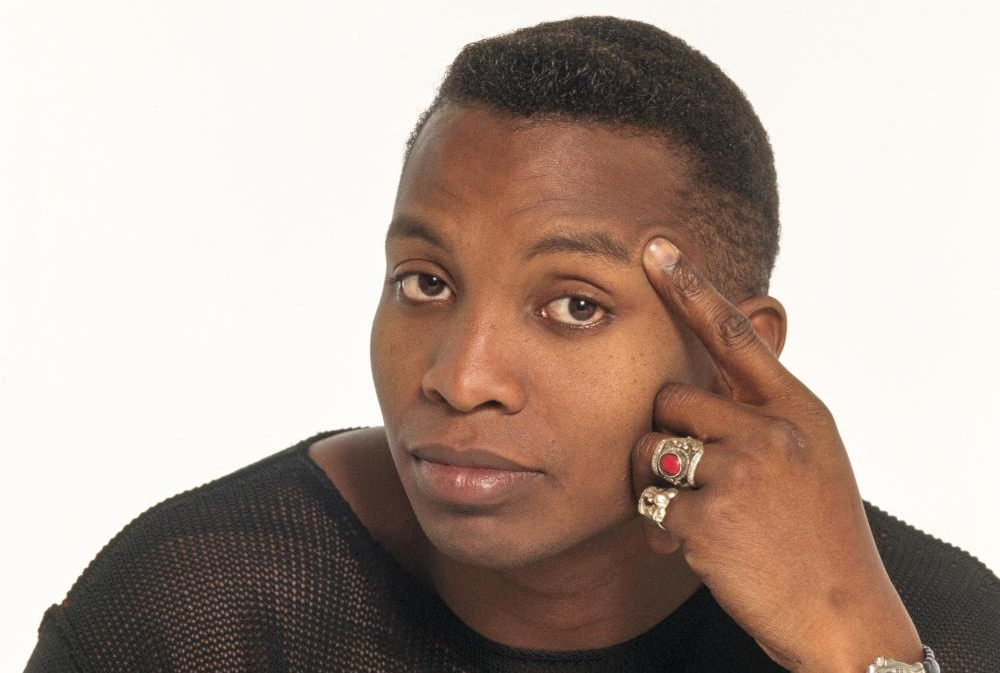
Nestor Alexander Haddaway (né le 9 janvier 1965) est un chanteur germano-américain d’origine trinidadienne, surtout connu pour son single « What Is Love » en 1993, qui a atteint la première place dans 13 pays.
Haddaway est né à Trinité-et-Tobago en 1965. Sa mère était infirmière et son père était biologiste marin. Ses parents se sont séparés au début des années 1970 et Haddaway a d’abord vécu avec son père en Europe, puis avec sa mère en Amérique. Il a grandi à Chicago et a déménagé dans la région métropolitaine de Washington, DC à l’âge de 9 ans. Écouter Louis Armstrong a encouragé Haddaway à apprendre à jouer de la trompette à l’âge de 14 ans. Il a fréquenté le Meade Senior High School à Fort Meade, Maryland, où il était membre de la fanfare, ce qui l’a finalement amené à former son premier groupe intitulé « Chances ». En 1987, Haddaway s’est inscrit à l’école de médecine, mais a abandonné par manque d’enthousiasme et a déménagé à Cologne, en Allemagne de l’Ouest, où il a principalement travaillé dans des bars. Plus tard, il a créé sa propre entreprise appelée « Energy », qui s’est impliquée dans l’organisation de défilés de mode et de séances photo.
***** Haddaway *****
« What is love »
Nestor Alexander Haddaway (născut la 9 ianuarie 1965) este un cântăreț germano-american născut în Trinidad, cunoscut mai ales pentru single-ul său din 1993 „What Is Love”, care a ajuns pe locul 1 în 13 țări.
Haddaway sa născut în Trinidad și Tobago în 1965. Mama lui era asistentă, iar tatăl său era biolog marin. Părinții ei s-au separat la începutul anilor 1970, iar Haddaway a trăit mai întâi cu tatăl ei în Europa, apoi cu mama ei în America. A crescut în Chicago și s-a mutat în zona metropolitană Washington, DC când avea 9 ani. Ascultarea lui Louis Armstrong l-a încurajat pe Haddaway să învețe să cânte la trompetă la vârsta de 14 ani. A urmat cursurile Meade Senior High School din Fort Meade, Maryland, unde a fost membru al fanfarei, ceea ce l-a determinat în cele din urmă să formeze prima sa trupă numită „Chances”. În 1987, Haddaway s-a înscris la facultatea de medicină, dar a abandonat din cauza lipsei de entuziasm și s-a mutat la Köln, Germania de Vest, unde a lucrat mai ales în baruri. Ulterior, și-a creat propria companie numită „Energy”, care a fost implicată în organizarea de prezentări de modă și ședințe foto.
***** Haddaway *****
« What is love »
Nestor Alexander Haddaway (born 9 January 1965) is a Trinidadian-born German-American singer best known for his 1993 hit single « What Is Love », which reached number 1 in 13 countries.
Haddaway was born in Trinidad and Tobago in 1965. His mother was a nurse and his father was a marine biologist. His parents separated in the early 1970s and Haddaway first lived with his father in Europe, then with his mother in America. He was raised in Chicago and moved to the Washington, DC metropolitan area at the age of 9. Listening to Louis Armstrong encouraged Haddaway to learn how to play trumpet at the age of 14. He attended Meade Senior High School in Fort Meade, Maryland, where he was a member of the marching band, which eventually resulted in him forming his first group titled « Chances ». In 1987, Haddaway enrolled in medical school, but dropped out due to lack of excitement[4] and moved to Cologne, West Germany, where he mostly worked in bars. Later, he formed his own company called « Energy », which was involved in organizing fashion shows and photo shoot.
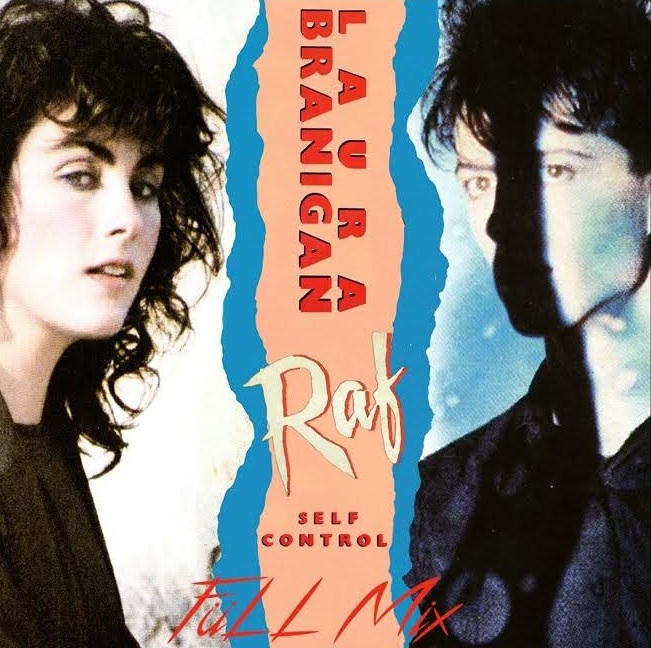
Self Control est une chanson interprétée par Laura Branigan de style new wave parue sur l’album du même nom Self Control sorti en 1984. La chanson a été enregistrée la même année avec les mêmes paroles en anglais par le chanteur italien Raffaele Riefoli alias Raf, qui a coécrit le morceau avec Giancarlo Bigazzi et Steve Piccolo dans un style plus italo-disco adapté aux discothèques. La version de Branigan a atteint la première position en Allemagne le ; la version de Raffaele Riefoli a atteint la première position en Italie le . La version de Branigan était la chanson la plus populaire à travers l’Europe pendant une grande partie de l’été et fut la chanson de l’année en Suisse. En France, elle a atteint la première place du classement musical selon l’IFOP, le . Branigan a culminé la 4e place au Billboard Hot 100 le .
***** Self Control *****
Self Control este o melodie interpretată de Laura Branigan în stil new wave care a apărut pe albumul cu același nume Self Control lansat în 1984. Piesa a fost înregistrată în același an cu aceleași versuri în engleză de cântărețul italian Raffaele Riefoli aka Raf, care a scris piesa împreună cu Giancarlo Bigazzi și Steve Piccolo într-un stil mai italo-disco potrivit cluburilor de noapte. Versiunea lui Branigan a ajuns pe primul loc în Germania pe 25 iunie 1984; Versiunea lui Raffaele Riefoli a ajuns pe primul loc în Italia pe 23 iunie 1984. Versiunea lui Branigan a fost cea mai populară melodie din Europa pentru o mare parte a verii și a fost melodia anului în Elveția. În Franța, a ajuns pe primul loc în topul muzical IFOP pe 5 august 1984. Branigan a ajuns pe locul patru în Billboard Hot 100 pe 30 iunie 1984.
***** Self Control *****
Self Control is a song performed by Laura Branigan in new wave style that appeared on the album of the same name Self Control released in 1984. The song was recorded the same year with the same lyrics in English by Italian singer Raffaele Riefoli aka Raf, who co-wrote the track with Giancarlo Bigazzi and Steve Piccolo in a more Italo-disco style suited to nightclubs. Branigan’s version reached number one in Germany on June 25, 1984; Raffaele Riefoli’s version reached number one in Italy on June 23, 1984. Branigan’s version was the most popular song across Europe for much of the summer and was the song of the year in Switzerland . In France, it reached number one on the IFOP music chart on August 5, 1984. Branigan peaked at number four on the Billboard Hot 100 on June 30, 1984.
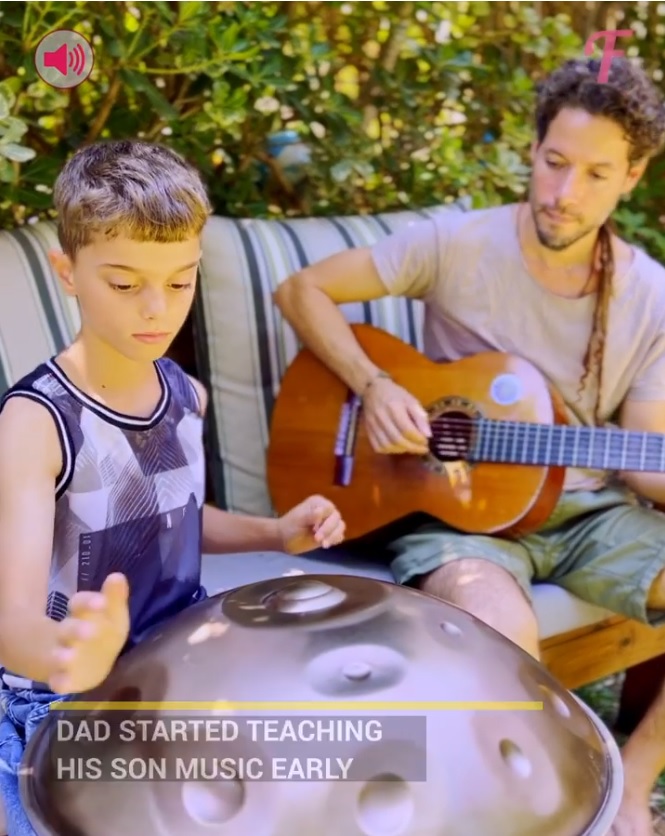
Le Hang est un type d’instrument de musique appelé handpan, s’inscrivant dans la classe des idiophones et basé sur l’instrument steelpan des Caraïbes. Il a été créé par Felix Rohner et Sabina Schärer à Berne, en Suisse. Le nom de leur entreprise est PANArt Hangbau AG. Le Hang est parfois appelé tambour suspendu, mais les inventeurs considèrent cela comme un abus de langage et déconseillent fortement son utilisation.
L’instrument est construit à partir de deux demi-coquilles en tôle d’acier nitrurée emboutie collées ensemble au niveau du bord créant la forme d’une lentille convexe. Le côté supérieur (« Ding ») a une « note » centrale martelée à l’intérieur et sept ou huit « champs de tonalité » martelés autour du centre. Le fond (« Gu ») est une surface plane qui a un trou central avec une note accordée qui peut être créée lorsque la jante est frappée.
Acești elvețieni care au talent
și inventivitate
The Hang
Hang este un tip de instrument muzical numit handpan, care se încadrează în clasa idiofonelor și se bazează pe instrumentul steelpan din Caraibe. A fost creat de Felix Rohner și Sabina Schärer în Berna, Elveția. Numele companiei lor este PANArt Hangbau AG. Hang este uneori denumit tobă suspendată, dar inventatorii consideră că aceasta este o denumire greșită și sfătuiesc cu tărie împotriva utilizării lui.
Instrumentul este construit din două semi-cochili din tablă de oțel nitrurata ștanțată, lipite împreună la margine, creând forma unei lentile convexe. Partea de sus („Ding”) are o „notă” centrală ciocanită în ea și șapte sau opt „câmpuri de ton” ciocănite în jurul centrului. Fundul (« Gu ») este o suprafață plană care are un orificiu central cu o notă reglată care poate fi creată atunci când este lovită janta.
Thoes Swiss who have talent
and inventiveness
The Hang
The Hang is a type of musical instrument called a handpan, fitting into the idiophone class and based on the Caribbean steelpan instrument. It was created by Felix Rohner and Sabina Schärer in Bern, Switzerland. The name of their company is PANArt Hangbau AG. The Hang is sometimes referred to as a hang drum, but the inventors consider this a misnomer and strongly discourage its use.
The instrument is constructed from two half-shells of deep drawn, nitrided steel sheet glued together at the rim leaving the inside hollow and creating the shape of a convex lens. The top (« Ding ») side has a center ‘note’ hammered into it and seven or eight ‘tone fields’ hammered around the center. The bottom (« Gu ») is a plain surface that has a rolled hole in the center with a tuned note that can be created when the rim is struck.
L’Écosse, nombreuses sont mes vies antérieures qui me rappellent à ce doux enchantement !
Plongez-vous dans la magie et la beauté d’une terre qui ne vous appelle que par ses vœux.
Si après ma mort je dois renaître dans ce monde, c’est en Écosse que je souhaite vivre.
Pleine de poésie et de magie, cette région du monde privilégiée, l’Écosse représente pour moi un Paradis sur terre et j’en rêve depuis que je suis enfant.
Scoția, o poartă atemporală către lumea noastră
Scoția, multe sunt viețile mele din trecut care îmi amintesc de această încântare dulce !
Scufundați-vă în magia și frumusețea unui ținut care vă cheamă
Dacă după moartea mea trebuie să renasc în această lume, Vreau să locuiesc în Scoția.
Plină de poezie și magie, această regiune privilegiată a lumii, Scoția este pentru mine un paradis pe pământ și l-am visat încă din copilărie.
Scotland, a timeless gateway to our world
Scotland, Many are my past lives that remind me of this sweet enchantment !
Immerse yourself in the magic and the beauty of a land that calls you with his wishes
If after my death I must be reborn in this world, it is in Scotland that I wish to live.
Full of poetry and magic, this privileged region of the world, Scotland represents for me a paradise on earth and I have dreamed of it since I was a child.
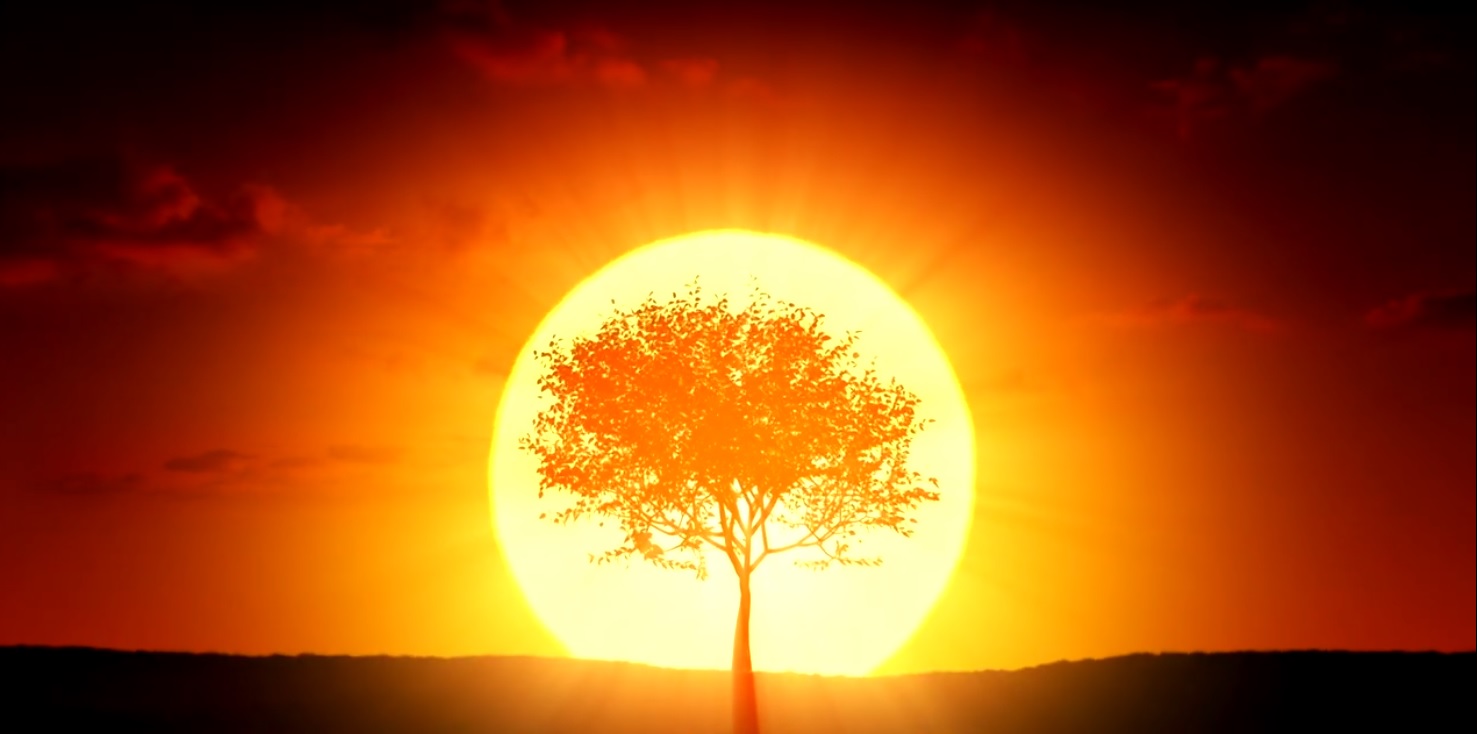
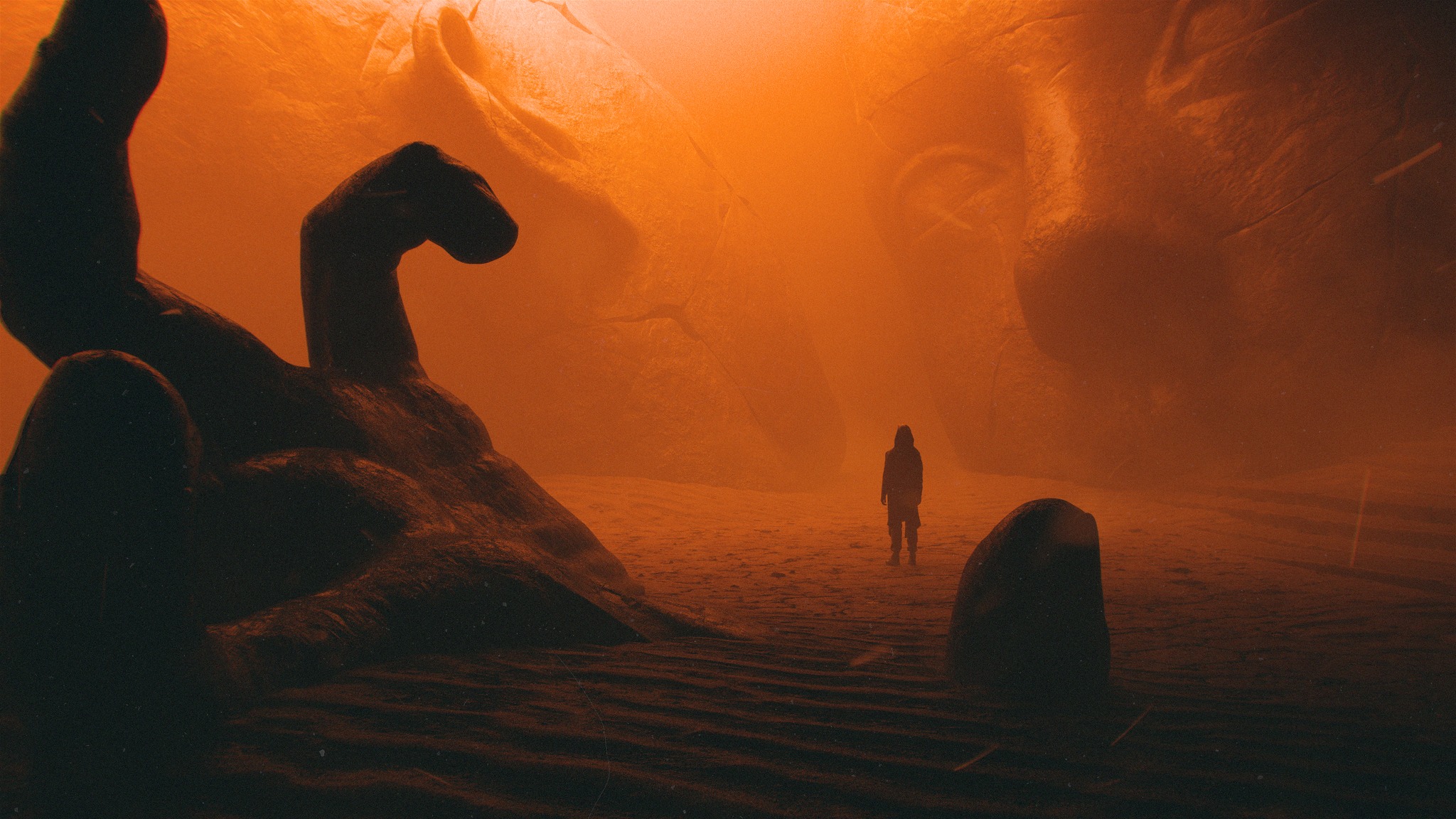
La créativité et l’inventivité sont infinis chez nous les êtres humains à tel point que je suis convaincu que la moindre de nos pensées, le moindre de nos rêves sont générateurs de création cosmique.
Nous sommes créateurs d’univers.
***** începutul și sfârșitul *****
StuzOr
Pe cealaltă parte a oglinzii:
Creativitatea și inventivitatea sunt infinite printre noi, ființele umane, într-o asemenea măsură, încât sunt convins că cele mai mici gânduri, cele mai mici dintre visele noastre sunt generatoare de creație cosmică.
Suntem creatori de universuri.
***** The beginning and the end *****
StuzOr
On the other side of the mirror:
Creativity and inventiveness are infinite among us human beings to such an extent that I am convinced that the slightest of our thoughts, the slightest of our dreams are generators of cosmic creation.
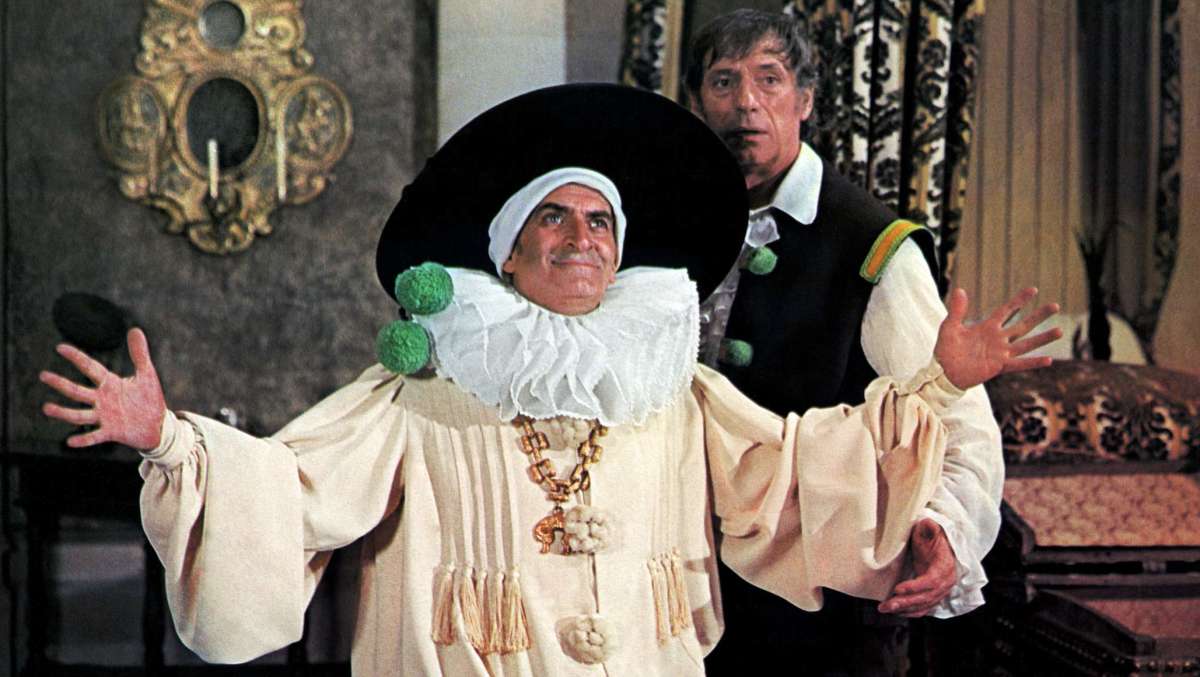
Un film de Gérard Oury, (1971) avec Louis de Funès et Yves Montant.
Très librement adapté de Ruy Blas de Victor Hugo, le film raconte, dans l’Espagne du xviie siècle, les mésaventures de l’ignoble Don Salluste, cupide et hypocrite ministre des Finances du roi d’Espagne, déchu et chassé de la cour par la reine. Ivre de vengeance, et prêt à tout pour retrouver ses fonctions et sa richesse, il manipule son ancien valet Blaze, transi d’amour pour la souveraine, afin de compromettre cette dernière.
Bande sonore: Merci à Michel Polnareff pour l’amitié et la confiance.
« Iluzii de grandoare »
Cinematograful francez în centrul atenției.
Un film de Gérard Oury, (1971) cu Louis de Funès și Yves Montant.
Adaptat foarte vag din Ruy Blas al lui Victor Hugo, filmul povestește, în Spania secolului al XVII-lea, nenorocirile ignobilului Don Sallust, lacom și ipocrit ministru de finanțe al regelui Spaniei, destituit și alungat de la curte de regina. Beat de răzbunare și gata să facă orice pentru a-și recâștiga funcțiile și averea, își manipulează fostul său valet Blaze, năpădit de dragoste pentru suveran, pentru a-l compromite pe acesta din urmă.
Coloana sonoră: Mulțumiri lui Michel Polnareff pentru prietenie și încredere.
Coloana sonoră: Mulțumim lui Michel Polnareff pentru prietenie și încredere.
« Delusions of grandeur »
French cinema in the spotlight.
A film by Gérard Oury, (1971) with Louis de Funès and Yves Montant.
Very freely adapted from Victor Hugo’s Ruy Blas, the film recounts, in 17th century Spain, the misadventures of the ignoble Don Sallust, greedy and hypocritical Minister of Finance of the King of Spain, deposed and driven out of court by the Queen. Drunk with revenge, and ready to do anything to regain his functions and his wealth, he manipulates his former valet Blaze, transfixed with love for the sovereign, in order to compromise the latter.
Soundtrack: Many thanks to Michel Polnareff for friendship and trust.