Ces Suisses qui ont du talent et de l’inventivité / Acești elvețieni care au talent și inventivitate / Thoes Swiss who have talent and inventiveness

Ces Suisses qui ont du talent

et de l’inventivité

Le Hang

Le Hang est un type d’instrument de musique appelé handpan, s’inscrivant dans la classe des idiophones et basé sur l’instrument steelpan des Caraïbes. Il a été créé par Felix Rohner et Sabina Schärer à Berne, en Suisse. Le nom de leur entreprise est PANArt Hangbau AG. Le Hang est parfois appelé tambour suspendu, mais les inventeurs considèrent cela comme un abus de langage et déconseillent fortement son utilisation.

L’instrument est construit à partir de deux demi-coquilles en tôle d’acier nitrurée emboutie collées ensemble au niveau du bord créant la forme d’une lentille convexe. Le côté supérieur (« Ding ») a une « note » centrale martelée à l’intérieur et sept ou huit « champs de tonalité » martelés autour du centre. Le fond (« Gu ») est une surface plane qui a un trou central avec une note accordée qui peut être créée lorsque la jante est frappée.

Acești elvețieni care au talent

și inventivitate

The Hang

Hang este un tip de instrument muzical numit handpan, care se încadrează în clasa idiofonelor și se bazează pe instrumentul steelpan din Caraibe. A fost creat de Felix Rohner și Sabina Schärer în Berna, Elveția. Numele companiei lor este PANArt Hangbau AG. Hang este uneori denumit tobă suspendată, dar inventatorii consideră că aceasta este o denumire greșită și sfătuiesc cu tărie împotriva utilizării lui.

Instrumentul este construit din două semi-cochili din tablă de oțel nitrurata ștanțată, lipite împreună la margine, creând forma unei lentile convexe. Partea de sus („Ding”) are o „notă” centrală ciocanită în ea și șapte sau opt „câmpuri de ton” ciocănite în jurul centrului. Fundul (« Gu ») este o suprafață plană care are un orificiu central cu o notă reglată care poate fi creată atunci când este lovită janta.

Thoes Swiss who have talent

and inventiveness

The Hang

The Hang is a type of musical instrument called a handpan, fitting into the idiophone class and based on the Caribbean steelpan instrument. It was created by Felix Rohner and Sabina Schärer in Bern, Switzerland. The name of their company is PANArt Hangbau AG. The Hang is sometimes referred to as a hang drum, but the inventors consider this a misnomer and strongly discourage its use.

The instrument is constructed from two half-shells of deep drawn, nitrided steel sheet glued together at the rim leaving the inside hollow and creating the shape of a convex lens. The top (« Ding ») side has a center ‘note’ hammered into it and seven or eight ‘tone fields’ hammered around the center. The bottom (« Gu ») is a plain surface that has a rolled hole in the center with a tuned note that can be created when the rim is struck.

Stéphane Guibert Facebook / Stéphane Guibert VK

Loading

L’écosse, une porte intemporelle dans notre monde / Scoția, o poartă atemporală către lumea noastră / Scotland, a timeless gateway to our world

L’écosse, une porte intemporelle dans notre monde

L’Écosse, nombreuses sont mes vies antérieures qui me rappellent à ce doux enchantement !

Plongez-vous dans la magie et la beauté d’une terre qui ne vous appelle que par ses vœux.

Si après ma mort je dois renaître dans ce monde, c’est en Écosse que je souhaite vivre.

Pleine de poésie et de magie, cette région du monde privilégiée, l’Écosse représente pour moi un Paradis sur terre et j’en rêve depuis que je suis enfant.


Scoția, o poartă atemporală către lumea noastră

Scoția, multe sunt viețile mele din trecut care îmi amintesc de această încântare dulce !

Scufundați-vă în magia și frumusețea unui ținut care vă cheamă

Dacă după moartea mea trebuie să renasc în această lume, Vreau să locuiesc în Scoția.

Plină de poezie și magie, această regiune privilegiată a lumii, Scoția este pentru mine un paradis pe pământ și l-am visat încă din copilărie.


Scotland, a timeless gateway to our world

Scotland, Many are my past lives that remind me of this sweet enchantment !

Immerse yourself in the magic and the beauty of a land that calls you with his wishes

If after my death I must be reborn in this world, it is in Scotland that I wish to live.

Full of poetry and magic, this privileged region of the world, Scotland represents for me a paradise on earth and I have dreamed of it since I was a child.

Vidéo : ©John Duncan

  • Merci à John Duncan pour ces magnifiques images et merci au groupe Sky Mubs « Rain of light » pour la musique qui les accompagne.
  • Mulțumesc lui John Duncan pentru aceste imagini minunate și mulțumesc trupei Sky Mubs „Rain of light” pentru muzica însoțitoare.
  • Thanks to John Duncan for these wonderful images and thanks to the group Sky Mubs « Rain of light » for the accompanying music.

Stéphane Guibert Facebook / Stéphane Guibert VK

Loading

Culture et Cinéma: Le début et la fin / Cultura și cinema: începutul și sfârșitul / Culture and cinema: The beginning and the end

***** Le début et la fin *****

StuzOr

De l’autre côté du miroir:

La créativité et l’inventivité sont infinis chez nous les êtres humains à tel point que je suis convaincu que la moindre de nos pensées, le moindre de nos rêves sont générateurs de création cosmique.

Nous sommes créateurs d’univers.

***** începutul și sfârșitul *****

StuzOr

Pe cealaltă parte a oglinzii:

Creativitatea și inventivitatea sunt infinite printre noi, ființele umane, într-o asemenea măsură, încât sunt convins că cele mai mici gânduri, cele mai mici dintre visele noastre sunt generatoare de creație cosmică.

Suntem creatori de universuri.

***** The beginning and the end *****

StuzOr

On the other side of the mirror:

Creativity and inventiveness are infinite among us human beings to such an extent that I am convinced that the slightest of our thoughts, the slightest of our dreams are generators of cosmic creation.

We are creators of universes.

Stéphane Guibert (Facebook) / Stéphane Guibert (VK)

Loading

Louis de Funes « La folie des grandeurs » / Louis de Funes „Nebunia măreției” / Louis de Funes “Madness of grandeur”

  • Vidéo: Générique version inédite, Film complet.
  • Video: Générique version inedit, Film complet.
  • Vidéo: Générique version inédite, Full movie.

« La folie des grandeurs »

Le cinéma Français à l’honneur.

Un film de Gérard Oury, (1971) avec Louis de Funès et Yves Montant.

Très librement adapté de Ruy Blas de Victor Hugo, le film raconte, dans l’Espagne du xviie siècle, les mésaventures de l’ignoble Don Salluste, cupide et hypocrite ministre des Finances du roi d’Espagne, déchu et chassé de la cour par la reine. Ivre de vengeance, et prêt à tout pour retrouver ses fonctions et sa richesse, il manipule son ancien valet Blaze, transi d’amour pour la souveraine, afin de compromettre cette dernière.

Bande sonore: Merci à Michel Polnareff pour l’amitié et la confiance.

« Iluzii de grandoare »

Cinematograful francez în centrul atenției.

Un film de Gérard Oury, (1971) cu Louis de Funès și Yves Montant.

Adaptat foarte vag din Ruy Blas al lui Victor Hugo, filmul povestește, în Spania secolului al XVII-lea, nenorocirile ignobilului Don Sallust, lacom și ipocrit ministru de finanțe al regelui Spaniei, destituit și alungat de la curte de regina. Beat de răzbunare și gata să facă orice pentru a-și recâștiga funcțiile și averea, își manipulează fostul său valet Blaze, năpădit de dragoste pentru suveran, pentru a-l compromite pe acesta din urmă.

Coloana sonoră: Mulțumiri lui Michel Polnareff pentru prietenie și încredere.

Coloana sonoră: Mulțumim lui Michel Polnareff pentru prietenie și încredere.

« Delusions of grandeur »

French cinema in the spotlight.

A film by Gérard Oury, (1971) with Louis de Funès and Yves Montant.

Very freely adapted from Victor Hugo’s Ruy Blas, the film recounts, in 17th century Spain, the misadventures of the ignoble Don Sallust, greedy and hypocritical Minister of Finance of the King of Spain, deposed and driven out of court by the Queen. Drunk with revenge, and ready to do anything to regain his functions and his wealth, he manipulates his former valet Blaze, transfixed with love for the sovereign, in order to compromise the latter.

Soundtrack: Many thanks to Michel Polnareff for friendship and trust.

Stéphane Guibert Facebook / Stéphane Guibert VK

Loading

Talk Talk « Talk Talk » / Talk Talk « Talk Talk » / Talk Talk « Talk Talk » /

Retour sur image avec Talk Talk

Malheureusement trop vite disparut Mark David Hollis leader du groupe “Talk talk” nous revient histoire de nous rappeler que les années 80 et 90 furent fastes en matière de créations musicales.

Mark Hollis:

Il est connu pour avoir d’abord officié en tant que chanteur et compositeur au sein du groupe Talk Talk de  (sortie du single Mirror Man) à  (sortie du single New Grass) avant d’entreprendre une carrière solo avec la sortie, en , d’un album : Mark Hollis (Polydor). Avec son groupe, il s’inscrit dans la vague new wave ou pop à ses débuts, avant de s’en éloigner petit à petit au profit d’une musique plus épurée parfois qualifiée de post-rock ou d’expérimentale.

  • Merci à EMI RECORDS

Flashback cu Talk Talk

Din păcate, a dispărut prea repedeMark David Hollis liderul grupului „Talk talk” revine la noi pentru a ne aminti că anii 80 și 90 au fost buni în ceea ce privește creațiile muzicale.

Mark Hollis:

El este cunoscut pentru că a servit inițial ca compozitor-compozitor cu trupa Talk Talk din februarie 1982 (lansarea single-ului Mirror Man) până în octombrie 1991 (lansarea single-ului New Grass), înainte de a începe o carieră solo cu lansarea în ianuarie. 1998, dintr-un album: Mark Hollis (Polydor). Cu grupul său, a făcut parte din new wave sau pop wave la început, înainte de a se îndepărta treptat de acesta în favoarea muzicii mai rafinate, uneori descrisă ca post-rock sau experimentală.

  • Multe mulțumiri lui EMI RECORDS

Flashback with Talk Talk

Unfortunately too quickly disappeared Mark David Hollis leader of the group “Talk talk” comes back to remind us that the 80s and 90s were good in terms of musical creations.

Mark Hollis:

He is known for having first served as a singer and songwriter in the group Talk Talk from February 1982 (release of the single Mirror Man) to October 1991 (release of the single New Grass) before undertaking a solo career with the release, in January 1998, of an album: Mark Hollis (Polydor). With his group, he was part of the new wave or pop wave in his early days, before gradually moving away from it in favor of more refined music sometimes described as post-rock or experimental.

  • Many thanks to EMI RECORDS


Stéphane Guibert FaceBook / Stéphane Guibert VK

Loading

AHA « Stay on these roads » / AHA « Stay on these roads » / AHA « Stay on these roads »

***** AHA *****

« Stay on these roads »

a-ha est un groupe de new wave norvégien, originaire d’Oslo. Initialement formé en 1982, et séparé en 2010, a-ha se reforme en 2015 pour la sortie d’un nouvel album et une tournée. Tout au long de son existence, il est composé du chanteur Morten Harket, du guitariste Pål Waaktaar-Savoy et du claviériste Magne Furuholmen. Il rencontre un grand succès au milieu des années 1980 avec les singles Take on MeThe Sun Always Shines on T.V. et Hunting High and Low, notamment.

Le groupe sort cinq albums avant de prendre une pause de quatre ans dès 1994. En 1998, les membres d’a-ha se réunissent à l’occasion du concert du prix Nobel de la paix et y chantent un nouveau titre, lequel figure ensuite sur un nouvel album qui sort deux ans plus tard. Trois autres albums suivent en 2002, 2005 et 2009, puis les membres du groupe annoncent leur séparation en 2010. En 2016, le groupe compte dix albums studio, quatre albums live et plusieurs compilations.

D’après plusieurs sites, notamment consacrés au groupe, le nom « a-ha » vient d’une chanson de Jim Morrison (des Doors, groupe qu’ils admiraient particulièrement avec Joy Division). Ce mot se prononçant dans toutes les langues et signifiant la joie ou la surprise, ils décident de l’adopter.

Avec plus de 35 millions d’albums vendus, a-ha reste à ce jour le groupe de musique pop originaire de Norvège ayant connu le plus de succès.

  • Merci à Warner Bros.


***** AHA *****

« Stay on these roads »

a-ha este o trupă norvegiană new wave din Oslo. Formată inițial în 1982 și desființată în 2010, a-ha s-a reformat în 2015 pentru lansarea unui nou album și a unui turneu. De-a lungul existenței sale, a fost format din vocalistul Morten Harket, chitaristul Pål Waaktaar-Savoy și clapeista Magne Furuholmen. A avut un mare succes la mijlocul anilor 1980 cu single-urile Take on Me, The Sun Always Shines on T.V. și Hunting High and Low, printre altele.

Grupul a lansat cinci albume înainte de a lua o pauză de patru ani în 1994. În 1998, membrii a-ha s-au întâlnit la concertul Premiului Nobel pentru Pace și au cântat acolo o nouă melodie, pe un nou album lansat doi ani mai târziu. Urmează alte trei albume în 2002, 2005 și 2009, apoi membrii grupului își anunță despărțirea în 2010. În 2016, grupul are zece albume de studio, patru albume live și mai multe compilații.

Potrivit mai multor site-uri, dedicate în special grupului, numele „a-ha” provine dintr-o melodie a lui Jim Morrison (of the Doors, grup pe care l-au admirat în mod deosebit cu Joy Division). Acest cuvânt fiind pronunțat în toate limbile și însemnând bucurie sau surpriză, au decis să-l adopte.

Cu peste 35 de milioane de albume vândute, a-ha rămâne cea mai de succes trupă pop din Norvegia până în prezent.

  • Multe mulțumiri lui Warner Bros.


***** AHA *****

« Stay on these roads »

a-ha is a Norwegian new wave band from Oslo. Originally formed in 1982, and disbanded in 2010, a-ha reformed in 2015 for the release of a new album and a tour. Throughout its existence, it consisted of vocalist Morten Harket, guitarist Pål Waaktaar-Savoy and keyboardist Magne Furuholmen. He had great success in the mid-1980s with the singles Take on Me, The Sun Always Shines on T.V. and Hunting High and Low, among others.

The group released five albums before taking a four-year hiatus in 1994. In 1998, the members of a-ha met at the Nobel Peace Prize concert and sang a new song there, on a new album released two years later. Three other albums follow in 2002, 2005 and 2009, then the members of the group announce their separation in 2010. In 2016, the group has ten studio albums, four live albums and several compilations.

According to several sites, especially devoted to the group, the name « a-ha » comes from a song by Jim Morrison (of the Doors, a group they particularly admired with Joy Division). This word being pronounced in all languages ​​and meaning joy or surprise, they decided to adopt it.

With over 35 million albums sold, a-ha remains Norway’s most successful pop band to this day.

  • Many thanks to Warner Bros.

Stéphane Guibert FaceBook / Stéphane Guibert VK

Loading

Alphaville « The voyager » / Alphaville « The voyager » / Alphaville « The voyager »

***** Alphaville *****

« The voyager »

Alphaville est un groupe new wave allemand, originaire de Münster. Il commence sa carrière au début des années 1980. Le groupe était composé à l’origine de Marian Gold, Bernhard Lloyd et Frank Mertens.

Le nom du groupe est choisi en référence au film Alphaville, une étrange aventure de Lemmy Caution de Jean-Luc Godard sorti en 1965.

Depuis 2003, Marian Gold est désormais le seul membre d’origine d’Alphaville restant, même si depuis le départ de Frank Mertens, Ricky Echolette puis Bernhard Lloyd, il s’est associé avec d’autres musiciens tels que Rainer Bloss et Martin Lister pour continuer l’aventure.

  • Merci au label WEA pour son aimable autorisation.

***** Alphaville *****

« The voyager »

Alphaville este o trupă germană new wave din Münster. Și-a început cariera la începutul anilor 1980. Trupa a fost formată inițial din Marian Gold, Bernhard Lloyd și Frank Mertens.

Numele grupului este ales cu referire la filmul Alphaville, o aventură ciudată a lui Lemmy Caution de Jean-Luc Godard lansat în 1965.

Din 2003, Marian Gold este acum singurul membru original rămas al Alphaville, deși de la plecarea lui Frank Mertens, Ricky Echolette și apoi Bernhard Lloyd a făcut echipă cu alți muzicieni precum Rainer Bloss și Martin Lister pentru a continua aventura.

  • Mulțumim etichetei WEA pentru permisiunea lor amabilă.

***** Alphaville *****

« The voyager »

Alphaville is a German new wave band from Münster. He began his career in the early 1980s. The band originally consisted of Marian Gold, Bernhard Lloyd and Frank Mertens.

The name of the group is chosen in reference to the film Alphaville, a strange adventure of Lemmy Caution by Jean-Luc Godard released in 1965.

Since 2003, Marian Gold has now been the only remaining original member of Alphaville, although since the departure of Frank Mertens, Ricky Echolette and then Bernhard Lloyd he has teamed up with other musicians such as Rainer Bloss and Martin Lister to continue the adventure.

  • Many thanks to WEA for the kind permission.

Stéphane Guibert Facebook / Stéphane Guibert VK

Loading

LES DIX COMMANDEMENTS / CELE ZECE PORUNCI / THE TEN COMMANDMENTS

LES DIX COMMANDEMENTS

Les 10 commandements sont une recommandation forte, insistante de Dieu permettant aux hommes de construire une relation en les laissant libres de leurs actes. C’est un appel à l’amour et à la liberté qui structurent la relation aux personnes.

Le Décalogue (dix paroles) se comprend d’abord dans le contexte de l’Exode qui est le grand événement libérateur de Dieu au centre de l’Ancienne Alliance. Qu’elles soient formulées comme préceptes négatifs, ou comme commandements positifs, ces « dix paroles » indiquent les conditions d’une vie libérée de l’esclavage. C’est un chemin de vie qui sépare d’une pratique ambiante non éthique. Dans la foi chrétienne, les dix paroles s’articulent autour de l’unique et même commandement de l’amour de Dieu et du prochain.
Souvent on oppose à la morale des dix commandements (la loi), celle des Béatitudes (la promesse).
Cette opposition est factice. Les deux textes désignent deux faces différentes de la même « morale ».

Dans cet article, je vous propose de voir ou revoir l’intégralité du film « Les dix commandements » dans sa version Française, réalisé en 1956, produit par Paramount et réalisé par Cecil B. DeMille. Les rôles principaux sont tenus par Charlton Heston (Moïse) et Yul Brinner (Ramsès II.)

CELE ZECE PORUNCI

Cele 10 porunci sunt o recomandare puternică și insistentă din partea lui Dumnezeu care le permite oamenilor să construiască o relație, lăsându-i liberi să acționeze. Este o chemare la iubire și libertate care structurează relațiile cu oamenii.

Decalogul (zece cuvinte) este înțeles mai întâi în contextul Exodului, care este marele eveniment eliberator al lui Dumnezeu în centrul Vechiului Legământ. Fie că sunt formulate ca precepte negative, fie ca porunci pozitive, aceste „zece cuvinte” indică condițiile unei vieți libere de sclavie. Este o cale de viață care ne separă de o practică ambientală lipsită de etică. În credința creștină, cele zece cuvinte gravitează în jurul aceleiași porunci a iubirii lui Dumnezeu și a aproapelui.
Adesea opunem moralitatea celor zece porunci (legea) cu cea a Fericirilor (făgăduința).
Această opoziție este artificială. Cele două texte desemnează două laturi diferite ale aceleiași „morale”.

În acest articol, vă invit să vedeți sau să revedeți întregul film „The Zece Commandments” în versiunea sa franceză, realizat în 1956, produs de Paramount și regizat de Cecil B. DeMille. Rolurile principale sunt interpretate de Charlton Heston (Moise) și Yul Brinner (Ramesses II.)

THE TEN COMMANDMENTS

The 10 commandments are a strong, insistent recommendation from God allowing men to build a relationship by leaving them free to act. It is a call to love and freedom which structures relationships with people.

The Decalogue (ten words) is first understood in the context of the Exodus which is the great liberating event of God at the center of the Old Covenant. Whether formulated as negative precepts, or as positive commandments, these “ten words” indicate the conditions of a life free from slavery. It is a path of life that separates us from an unethical ambient practice. In the Christian faith, the ten words revolve around the one and same commandment of love of God and neighbor.
Often we oppose the morality of the ten commandments (the law) to that of the Beatitudes (the promise).
This opposition is artificial. The two texts designate two different sides of the same “morality”.

In this article, I invite you to see or rewatch the entire film « The Ten Commandments » in its French version, made in 1956, produced by Paramount and directed by Cecil B. DeMille. The main roles are played by Charlton Heston (Moses) and Yul Brinner (Ramesses II.)

Stéphane Guibert (Facebook) / Stéphane Guibert (VK)

Loading

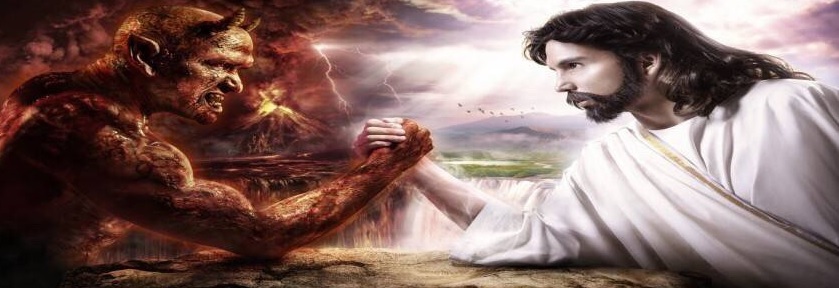
La beauté du diable / Frumusețea diavolului / The beauty of the devil

***** La beauté du diable *****

« Si ton âme est à vendre, je serai ton dévoué serviteur jusqu’à l’heure de ta mort. »

L’origine du mythe de Faust:

Faust n’est pas qu’un personnage de fiction. Le Docteur Johann Georg Faust (1480 – 1540) inspira plus tard Marlowe et Goethe. Cet alchimiste et astrologue allemand de la Renaissance, fin connaisseur de la mythologie grecque, pratiquait la magie noire. On sait peu de chose de son vivant, si ce n’est qu’il aurait appris la magie surnaturelle à Cracovie, qu’il enseigna par la suite et qu’il mourut après une expérience alchimique ratée, ou peut-être arrêté, pour sorcellerie, et conduit au bûcher.

Le Faust de Goethe (1808)

Enfin, Faust est aussi et surtout le chef-d’œuvre du romantique Goethe (1749 – 1832). Son livre a propulsé le conte de Faust au rang de mythe universel. Dans ce roman en deux parties, Faust est un alchimiste qui rêve depuis son enfance de percer les grandes questions existentielles et le mystère de l’existence. Il travaille dur, mais n’y parvient pas. Désespéré d’avoir ainsi gâché ses plus belles années en vaine recherche métaphysique, il envisage le suicide.

Il a recours à Méphistophélès (le diable), qui lui propose un pacte…

Un film de René Clair sorti dans les salles en 1950, avec dans les rôles principaux: Michel Simon (Méphistophélès) et Gérard Philippe (Faust).

  • Vidéo: Film complet version française.

***** Frumusețea diavolului *****

„Dacă sufletul tău este de vânzare, eu voi fi slujitorul tău devotat până în ceasul morții tale.”

Originea mitului lui Faust:

Faust nu este doar un personaj fictiv. Doctorul Johann Georg Faust (1480 – 1540) i-a inspirat ulterior pe Marlowe și Goethe. Acest alchimist și astrolog german renascentist, un bun cunoscător al mitologiei grecești, a practicat magia neagră. Se știu puține despre viața sa, cu excepția faptului că a învățat magia supranaturală la Cracovia, ulterior a predat-o și a murit după un experiment alchimic eșuat, sau poate a fost arestat pentru vrăjitorie și a dus la rug.

Originea lui (1808)

În fine, Faust este și mai presus de toate capodopera romanticului Goethe (1749 – 1832). Cartea sa a propulsat povestea lui Faust la rangul de mit universal. În acest roman în două părți, Faust este un alchimist care a visat încă din copilărie să dezlege marile întrebări existențiale și misterul existenței. Munceste din greu, dar nu reușește. Disperat că și-a irosit cei mai buni ani în cercetări metafizice zadarnice, el ia în considerare sinuciderea.

El apelează la Méphistophélès (diavolul), care îi oferă un pact…

Un film de René Clair lansat în cinematografe în 1950, cu rolurile principale: Michel Simon (Méphistophélès) și Gérard Philippe (Faust).

  • Video: film complet versiune franceză.

***** The beauty of the devil *****

“If your soul is for sale, I will be your devoted servant until the hour of your death.”

The origin of the myth of Faust:

Faust is not just a fictional character. Doctor Johann Georg Faust (1480 – 1540) later inspired Marlowe and Goethe. This German Renaissance alchemist and astrologer, a fine connoisseur of Greek mythology, practiced black magic. Little is known about his lifetime, except that he learned supernatural magic in Krakow, later taught it, and died after a failed alchemical experiment, or perhaps arrested, for witchcraft, and led to the stake.

Goethe’s Faust (1808)

Finally, Faust is also and above all the masterpiece of the romantic Goethe (1749 – 1832). His book propelled the tale of Faust to the rank of universal myth. In this two-part novel, Faust is an alchemist who has dreamed since childhood of unraveling the great existential questions and the mystery of existence. He works hard, but doesn’t succeed. Despairing at having wasted his best years in vain metaphysical research, he contemplates suicide.

He resorts to Mephistopheles (the devil), who offers him a pact…

A film by René Clair released in theaters in 1950, with in the main roles: Michel Simon (Méphistophélès) and Gérard Philippe (Faust).

  • Video: Full movie French version.

Stéphane Guibert FaceBook / Stéphane Guibert VK

Loading

Bad Boys Blue « Show me the way / Bad Boys Blue « Show me the way / Bad Boys Blue « Show me the way

***** Bad Boys Blue *****

« Show me the way »

Illustres inconnus outre Atlantique ils ont cependant cartonné durant plus de dix ans en Europe.

Bad Boys Blue est un groupe dance-pop allemand de type new wave et italo-disco, formé en 1984 à Cologne, par Andrew Thomas (né le 25 mai 1946, à San Francisco et mort le 21 juillet 2009 à Cologne), John McInerney (né le 17 septembre 1957 à Liverpool au Royaume-Uni) et Trevor Taylor (né le 11 janvier 1958 en Jamaïque et mort le 19 janvier 2008 à Cologne).

Le groupe est formé pendant l’été 1984 par le producteur allemand Tony Hendrik et son épouse, Karin Van Harren. Le trio original est composé de Andrew Thomas, John McInerney et de Trevor Taylor, le chanteur initial.

En 1987, la sortie du single « Come back and stay«  marque les grands débuts de John McInerney comme chanteur principal. Bien que la voix ait été à l’origine enregistrée comme démo avec la voix de Trevor Taylor, les producteurs ont subjectivement choisi la version de John McInerney. Ceci a créé une tension dans le groupe, entraînant le départ de Trevor Taylor, qui n’a pas accepté le choix des producteurs.

Retrouvons les en vidéo dans une sélection personnelle dont une version jamais éditée du titre « Show me the way. »

***** Bad Boys Blue *****

« Show me the way »

Total necunoscuți peste Atlantic, au urcat în vârful topurilor timp de 10 ani.

Bad Boys Blue este un grup german de dans new wave și disco-pop italian, format în 1984 la Köln de Andrew Thomas (născut la 25 mai 1946 la San Francisco și decedat la 21 iulie 2009 la Köln), John McInerney (născut la 17 septembrie 1957, Liverpool, Regatul Unit) și Trevor Taylor (născut la 11 ianuarie 1958, Jamaica; decedat la 19 ianuarie 2008, Köln).

Trupa a fost formată în vara anului 1984 de producătorul german Tony Hendrik și de soția sa, Karin Van Harren. Trio-ul original este format din Andrew Thomas, John McInerney și Trevor Taylor, vocalistul original.

În 1987, lansarea single-ului „Come back and stay” a marcat marele debut al John McInerney ca solist. Deși vocea a fost înregistrată inițial ca un demo cu vocea lui Trevor Taylor, producătorii au ales în mod subiectiv versiunea lui John McInerney. Acest lucru a creat tensiune în grup, ducând la plecarea lui Trevor Taylor, care nu a acceptat alegerea producătorilor.

Să le găsim pe video într-o selecție personală, inclusiv o versiune nepublicată a titlului „Show me the way.”

***** Bad Boys Blue *****

« Show me the way »

Illustrious unknowns across the Atlantic, they were nevertheless a hit for more than ten years in Europe.

Bad Boys Blue is a German new wave and Italian-disco dance-pop group, formed in 1984 in Cologne by Andrew Thomas (born May 25, 1946 in San Francisco and died July 21, 2009 in Cologne), John McInerney. (born September 17, 1957, Liverpool, United Kingdom) and Trevor Taylor (born January 11, 1958, Jamaica; died January 19, 2008, Cologne).

The band was formed in the summer of 1984 by German producer Tony Hendrik and his wife, Karin Van Harren. The original trio consists of Andrew Thomas, John McInerney and Trevor Taylor, the original vocalist.

In 1987, the release of the single « Come back and stay » marked the big debut of John McInerney as lead singer. Although the vocals were originally recorded as a demo with Trevor Taylor’s vocals, the producers subjectively chose John McInerney’s version. This created tension in the group, leading to the departure of Trevor Taylor, who did not accept the producers’ choice.

Let’s find them on video in a personal selection including a never-published version of the title « Show me the way. »

Stéphane Guibert FaceBook / Stéphane Guibert VK

Loading