Des carnets de l’aventure aux îles imaginaires, de la musique plein les yeux.
Rappel:
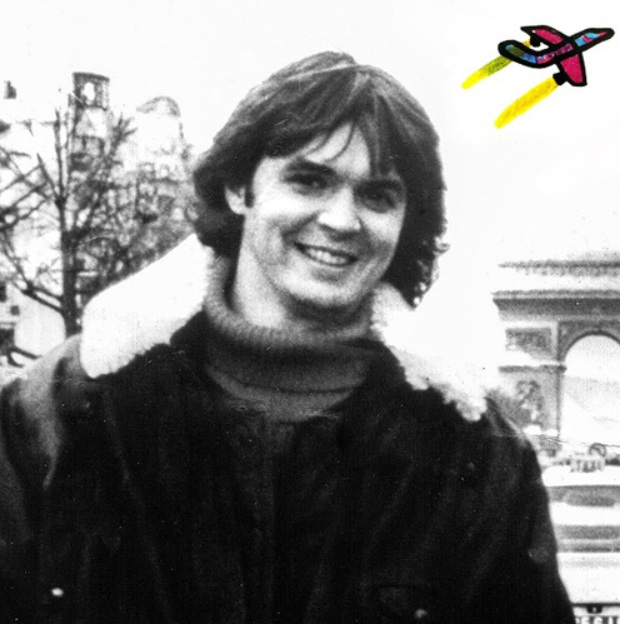
Les années 80 resteront dans les annales. Fastes en matière de créativités musicales, voici un compositeur qui ne fait pas exception à la règle : Frédéric Mercier. Le bougre s’est reconverti dans la photographie mais avant son départ pour d’autres horizons, voici quelques sublimes morceaux extraits de son génialissime répertoire.
A cette époque l’IA n’existait pas et la musique sortait tout droit du cerveau de ses créateurs.
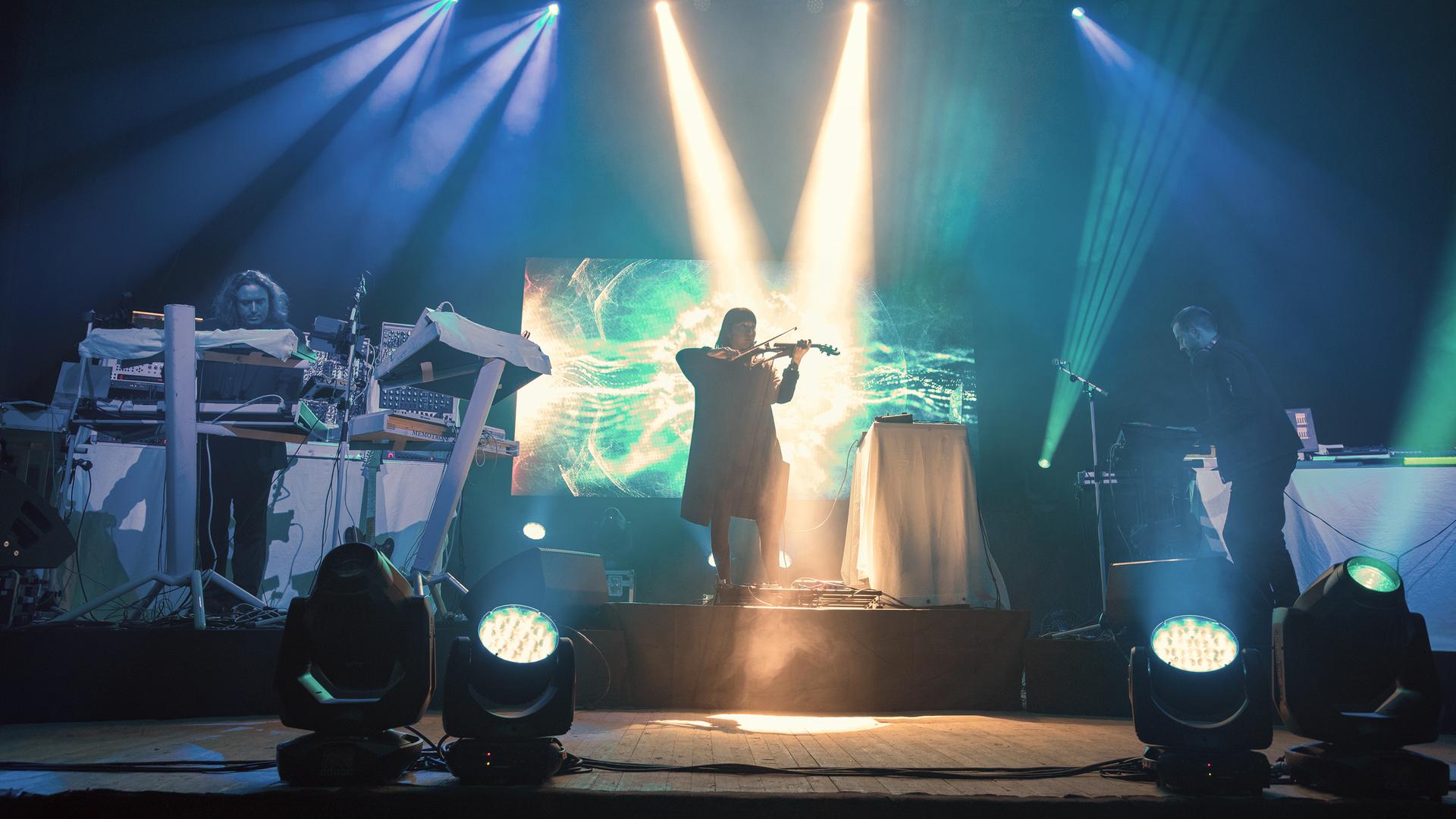
La musique est un langage universel qui ne s’interprète qu’avec le cœur et la passion. Pas besoin d’école pour la comprendre car la musique se ressent dans les tréfonds de notre être et de notre âme de façon innée. Le musique est une clef qui ouvre les portes vers des couleurs inattendues, des sentiments parfois jamais ressentis. Les créateurs de musique dont je suis un modeste représentant vous offrent une clef de sol, le passeport pour un voyage vers un univers fait de sons et de lumières.
G.S
Merci à Polydor, Barclay et Carrere pour l’aimable permission.
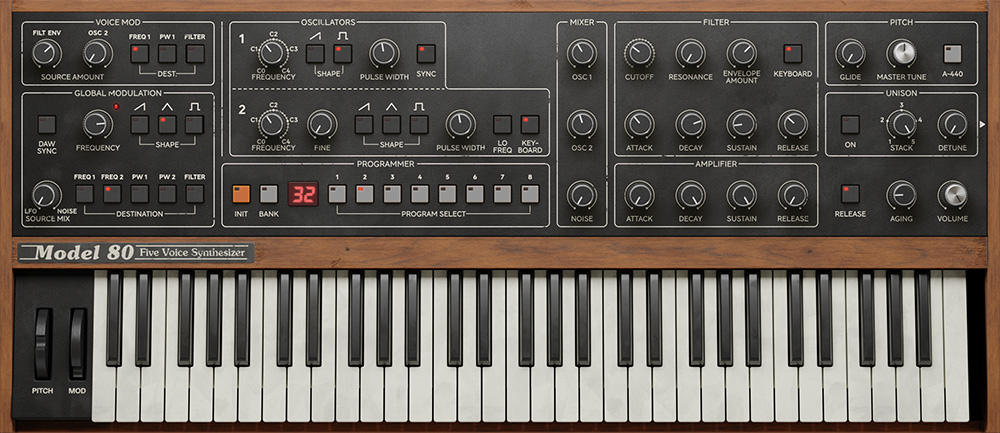
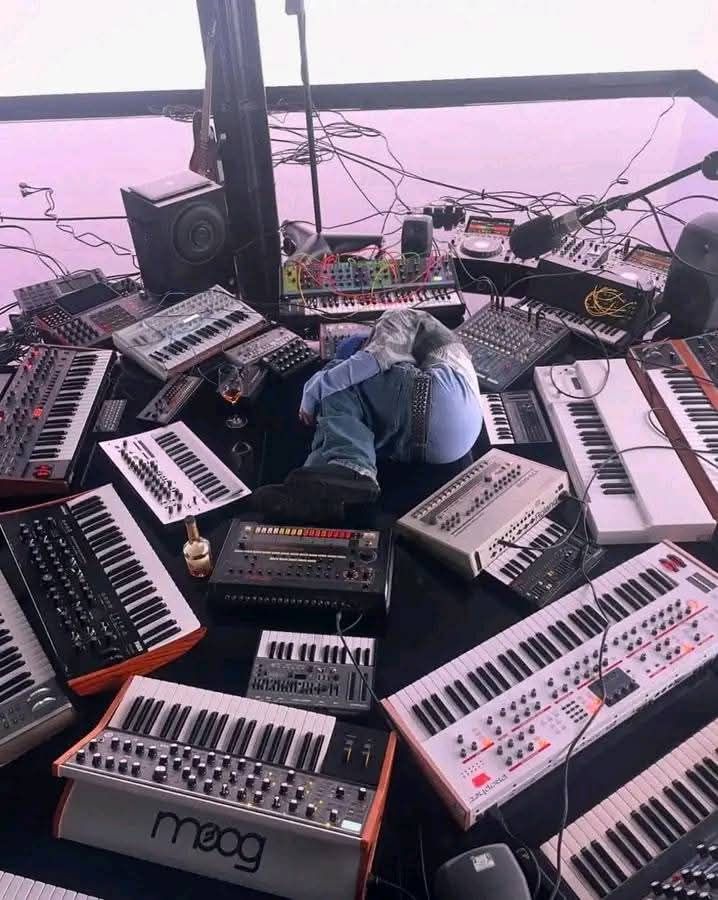
Synthesizer Music
***** Frédéric Mercier *****
Breathtaking synths.
From adventure diaries to imaginary islands, music in your eyes.
Reminder:
The 1980s will go down in history. A decade of musical creativity, and one composer was no exception: Frédéric Mercier. He has since turned his hand to photography, but before moving on to other horizons, here are a few sublime pieces from his brilliant repertoire.
At that time, AI did not exist and music came straight from the brains of its creators.
Music is a universal language that can only be interpreted with heart and passion. No need for school to understand it because music is felt in the depths of our being and our soul innately. Music is a key that opens doors to unexpected colors, feelings sometimes never before felt. The music creators of which I am a modest representative offer you a treble clef, the passport for a journey to a universe made of sounds and lights.
G.S
Many thanks to Polydor, Barclay and Carrere for the kind permission.
Edwin van der Laag, un graphiste responsable de toutes les pochettes de disques du groupe « Laserdance, » Il s’est lancé dans la création musicale. Armé d’Atari ST, de Cubase et de quelques synthétiseurs, il commence à créer ses premiers morceaux. Plus tard, il a été soutenu par Huib Shippers, connu du projet Trilithon.
Dans cet article:
Syntech: « Soundly computed »
Laser dance « Shotgun (Into the Night) »
Koto « Dragon’s legend »
Merci à ZYX Records.
Note de la rédaction:
La musique est un langage universel qui ne s’interprète qu’avec le cœur et la passion. Pas besoin d’école pour la comprendre car la musique se ressent dans les tréfonds de notre être et de notre âme de façon innée. Le musique est une clef qui ouvre les portes vers des couleurs inattendues, des sentiments parfois jamais ressentis. Les créateurs de musique dont je suis un modeste représentant vous offrent une clef de sol, le passeport pour un voyage vers un univers fait de sons et de lumières.
« Soundly computed »
Synthesizer Music
Edwin van der Laag, a graphic designer responsible for all the record covers of the band « Laserdance, » He threw himself into music creation. Armed with Atari ST, Cubase and a few synthesizers, he began to create his first tracks. Later, he was supported by Huib Shippers, known from the Trilithon project.
In this article:
Syntech: « Soundly computed »
Laser dance « Shotgun (Into the Night) »
Koto « Dragon’s legend »
Many thanks to ZYX Records.
Editor’s note:
Music is a universal language that can only be interpreted with heart and passion. No need for school to understand it because music is felt in the depths of our being and our soul innately. Music is a key that opens doors to unexpected colors, feelings sometimes never before felt. The music creators of which I am a modest representative offer you a treble clef, the passport for a journey to a universe made of sounds and lights.
Ce groupe de musiciens Allemand nous berça dans un son des plus insolites tout au long des années 70 et 80 ce que nous devons en grande partie au regretté Edgar Froese leader du groupe malheureusement décédé en 2015.
Tangerine Dream (Rêve de mandarine) nous évade à des millions d’années lumières de la planète terre. Il nous propulse dans des constellations et des voies lactées où nos petits soucis du quotidien deviennent aussi insipides qu’inexistants.
Rendons hommage à ces compositeurs qui ont su voir au delà du temps.
Les regrettés Edgar Froese ou Vangelis qui furent mes amis ont fait de moi en musique, ce que je suis aujourd’hui, un compositeur. Je compose pour ceux que j’aime et lorsque j’aime, je peux aller au bout de l’enfer et faire de l’enfer un paradis. Merci à tous les deux pour cette douce initiation.
Je remercie le label Virgin Records, ce label dont l’audace et le goût du risque lui valent d’ailleurs sa réussite aujourd’hui.
***** Tangerine dream *****
Synthesizer Music
This group of German musicians rocked us in the most unusual sound throughout the 70s and 80s, which we owe in large part to the late Edgar Froese leader of the group unfortunately deceased in 2015.
Tangerine Dream takes us millions of light years away from planet earth. It propels us into constellations and milky ways where our little daily worries become as insipid as they are non-existent.
Let us pay tribute to these composers who knew how to see beyond time.
The late Edgar Froese or Vangelis who were my friends made me in music, what I am today, a composer. I compose for those I love and when I love, I can go to the end of hell and make hell a paradise. Thank you both for this sweet initiation.
I would like to thank the Virgin Records label, this label whose audacity and taste for risk have earned it its success.
Des carnets de l’aventure aux îles imaginaires, de la musique plein les yeux.
Les années 80 resteront dans les annales. Fastes en matière de créativités musicales, voici un compositeur qui ne fait pas exception à la règle : Frédéric Mercier. Le bougre s’est reconverti dans la photographie mais avant son départ pour d’autres horizons, voici quelques sublimes morceaux extraits de son génialissime répertoire.
Merci à Polydor, Barclay et Carrere pour l’aimable permission.
Synthesizer Music
***** Frédéric Mercier *****
Breathtaking synths.
From adventure diaries to imaginary islands, music in your eyes.
The 1980s will go down in history. A decade of musical creativity, and one composer was no exception: Frédéric Mercier. He has since turned his hand to photography, but before moving on to other horizons, here are a few sublime pieces from his brilliant repertoire.
Many thanks to Polydor, Barclay and Carrere for the kind permission.
Synthesizer Music
***** Frédéric Mercier *****
Sintetizatoare uluitoare.
Caiete de aventură pe insule imaginare, muzică în ochii tăi.
Anii 1980 vor intra în istorie. Un deceniu de creativitate muzicală, iar un compozitor nu face excepție: Frédéric Mercier. De atunci, compozitorul s-a orientat spre fotografie, dar înainte de a pleca spre alte orizonturi, iată câteva piese sublime din repertoriul său strălucit.
Multe mulțumiri companiilor Polydor, Barclay și Carrere pentru amabila permisiune.
Toutes celles et ceux issus de la génération 80-90 se souviendront de la vague « Best of Italo Disco »
Sous le patronyme ZYX Records à qui nous devons la plupart des hits qui ont fait danser durant 2 décennies, ces trois instrumentaux dont les fans se souviennent certainement encore aujourd’hui.
Koto « Dragon’s legend »
Syntech « Soundly Computed »
Laser Dance « Shotgun Into the night »
Une découverte pour les plus jeunes et beaucoup de bons souvenirs pour les passionnés de synthétiseurs analogiques de l’époque.
Synthesizer music: The Best Of Italo Disco
Anyone from the 80s and 90s will remember
the « Best of Italo Disco » wave.
Under the name ZYX Records, to whom we owe most of the hits that made people dance for 2 decades, these three instrumentals that fans certainly still remember today.
Koto « Dragon’s legend »
Syntech « Soundly Computed »
Laser Dance « Shotgun Into the night »
A discovery for the youngest and many good memories for fans of analog synthesizers of the time.
Synthesizer music: The Best Of Italo Disco
Oricine a trăit în anii ’80 și ’90 își va aminti de valul
„Best of Italo Disco”.
Sub numele ZYX Records, căruia îi datorăm majoritatea hiturilor care au făcut oamenii să danseze timp de 2 decenii, aceste trei instrumentale pe care fanii cu siguranță și le amintesc și astăzi.
Koto « Dragon’s legend »
Syntech « Soundly Computed »
Laser Dance « Shotgun Into the night »
O descoperire pentru cei mai mici și multe amintiri frumoase pentru fanii sintetizatoarelor analogice ale vremii.
La musique est un langage universel qui ne s’interprète qu’avec le cœur. Pas besoin d’école pour la comprendre. Une clef qui ouvre les portes vers des couleurs inattendues, des sentiments parfois jamais ressentis. Les créateurs de musique dont je suis un modeste représentant vous offrent un monde en clef de sol.
Synthesizer Music
As we make our bed, we lie down
Music is a universal language that can only be interpreted with the heart. No need to go to school to understand it. A key that opens doors to unexpected colors, feelings sometimes never before felt. Music creators, of whom I am a modest representative, offer you a world in treble clef.
Synthesizer Music
Felul în care îți faci patul așa cum dormi
Muzica este un limbaj universal care poate fi interpretat doar cu inima. Nu trebuie să mergi la școală pentru a înțelege. O cheie care deschide ușile către culori neașteptate, către sentimente uneori noi. Creatorii muzicali, inclusiv acest modest reprezentant, vă oferă o lume în cheie de sol.
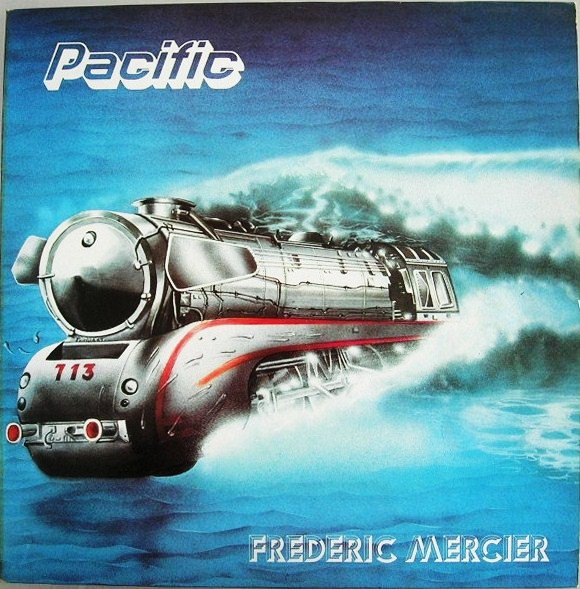
En 1978, Frédéric Mercier compose l’album instrumental synthétique « Pacific » sur la pochette duquel on peut voir un train fendant les flots. Cette illustration évoque l’océan éponyme, mais aussi la Pacific 231, célèbre locomotive à vapeur du début du XXe siècle, qui a déjà inspiré Arthur Hongroyer pour un mouvement symphonique éponyme en 1923, issu de la musique d’accompagnement du film La Roue d’Abel Gance. Cette locomotive a aussi été l’objet d’un court métrage réalisé en 1949 par Jean Mitry.
Les thèmes des titres de l’album évoquent ce double aspect océanique (« Aqualung », « Waves », « Islands », « Mésogée ») et ferroviaire (« Amtrak » et sa version ralentie « Pacific heart » en fin d’album).
En 1979, il sort un nouvel album instrumental « Music from France » avec une version éponyme qui reprend la Marseillaise aux synthétiseurs. Une série spéciale de pochette sera illustrée d’une cocarde tricolore et d’une Formule 1 Ligier, en hommage à l’équipe française qui défend brillamment les couleurs nationales sur les circuits. Le morceau « Theme from the child » de cet album illustrera le générique de l’émission TV « Les carnets de l’aventure ».
Il produit et compose le tube de White Soxx « Versailles » en 1981, celui des années 80 « Stars de la pub » (1982), et écrit la chanson « Turn it up » pour l’album « Who’s that girl ? » de Madonna.
En 1984 il collabore avec le chanteur Lafayette, et à un album de jingles avec T. Lasry. Il compose le titre « Dites-moi » pour Primevère, ainsi que « serre les dents, pas les poings » en collaboration pour Carolla Vickson, et « Boom Baby Boom » pour Marine.
Plus tard, il compose « Bill Brillantine » et « Bye bye 50 » pour Eddy Mitchell.
Il sort enfin un nouvel album synthétique « Aventure », moins inspiré, en 1986.
On le retrouve ensuite dans le marketing pour Avid/Digidesign (Pro Tools) en France et aujourd’hui comme photographe professionnel (www.fredericmercier.com).
Le titre « Spirit » de l’album « Pacific » a été samplé par Jay-Z sur son titre « What We talking about ».
Il interprète également le générique de l’émission de TF1 « Les infos jeunes » qui est composé par Eric Flanger (n.d.l.r)
Electronic music: « Pacific »
Frédéric Mercier
In 1978, Frédéric Mercier composed the synthetic instrumental album « Pacific » on the cover of which we can see a train splitting the waves. This illustration evokes the eponymous ocean, but also the Pacific 231, a famous steam locomotive from the beginning of the 20th century, which already inspired Arthur Hongroyer for an eponymous symphonic movement in 1923, from the music accompanying the film La Roue d’ ‘Abel Gance. This locomotive was also the subject of a short film made in 1949 by Jean Mitry. The themes of the titles of the album evoke this double aspect of ocean (« Aqualung », « Waves », « Islands », « Mésogée ») and railway (« Amtrak » and its slowed down version « Pacific heart » at the end of the album) .
In 1979, he released a new instrumental album « Music from France » with an eponymous version which takes up the Marseillaise on synthesizers. A special cover series will be illustrated with a tricolor cockade and a Formula 1 Ligier, in homage to the French team which brilliantly defends the national colors on the circuits. The song « Theme from the child » from this album will illustrate the credits of the TV show « Les carnets de l’aventure ».
He produced and composed the White Soxx hit « Versailles » in 1981, the 80s hit « Stars de la pub » (1982), and wrote the song « Turn it up » for the album « Who’s that girl? » of Madonna.
In 1984 he collaborated with the singer Lafayette, and on an album of jingles with T. Lasry. He composed the title « Tell me » for Primevère, as well as « clenches the teeth, not the fists » in collaboration for Carolla Vickson, and « Boom Baby Boom » for Marine.
Later, he composed « Bill Brillantine » and « Bye bye 50 » for Eddy Mitchell.
He finally released a new synthetic album « Aventure », less inspired, in 1986.
We then find him in marketing for Avid/Digidesign (Pro Tools) in France and today as a professional photographer (www.fredericmercier.com).
The track « Spirit » from the album « Pacific » was sampled by Jay-Z on his track « What We talking about ».
He also interprets the credits of the TF1 program « Les infos jeunes » which is composed by Eric Flanger (editorial note)
Culture & Cinéma : Kitaro ses synthesizers et ses violons électroniques
Kitaro est un musicien “new age” né le à Toyohashi au Japon.
Son vrai nom est Masanori Takahashi. Son pseudonyme lui a été donné plus tard par quelques amis, pour qui sa chevelure évoquait celle du personnage principal du manga d’épouvante de Shigeru MizukiKitaro le repoussant, qui était diffusé alors sous forme de dessin animé au Japon.
Merci Kitaro, merci cette belle âme.
Cultură și Cinema : Kitaro sintetizatoarele sale și viorile electronice
Kitaro este un muzician „new age” născut la 4 februarie 1953 în Toyohashi, Japonia.
Numele său real este Masanori Takahashi. Pseudonimul său i-a fost dat mai târziu de câțiva prieteni, pentru care părul său seamănă cu cel al personajului principal din manga de groază a lui Shigeru Mizuki Kitaro Repelling Him, care a fost apoi lansat ca desen animat în Japonia.
Mulțumesc Kitaro, mulțumesc acest suflet frumos.
Culture & Cinema : Kitaro his synthesizers and his electronic violins
Kitaro is a “new age” musician born February 4, 1953 in Toyohashi, Japan.
His real name is Masanori Takahashi. His pseudonym was later given to him by a few friends, for whom his hair resembled that of the main character in Shigeru’s horror manga Mizuki Kitaro Repelling Him, which was then released as a cartoon in Japan.
Thank you Kitaro, thank you for this beautiful soul.
En 1978, Frédéric Mercier compose l’album instrumental synthétique « Pacific » sur la pochette duquel on peut voir un train fendant les flots. Cette illustration évoque l’océan éponyme, mais aussi la Pacific 231, célèbre locomotive à vapeur du début du XXe siècle, qui a déjà inspiré Arthur Hongroyer pour un mouvement symphonique éponyme en 1923, issu de la musique d’accompagnement du film La Roue d’Abel Gance. Cette locomotive a aussi été l’objet d’un court métrage réalisé en 1949 par Jean Mitry.
Les thèmes des titres de l’album évoquent ce double aspect océanique (« Aqualung », « Waves », « Islands », « Mésogée ») et ferroviaire (« Amtrak » et sa version ralentie « Pacific heart » en fin d’album).
En 1979, il sort un nouvel album instrumental « Music from France » avec une version éponyme qui reprend la Marseillaise aux synthétiseurs. Une série spéciale de pochette sera illustrée d’une cocarde tricolore et d’une Formule 1 Ligier, en hommage à l’équipe française qui défend brillamment les couleurs nationales sur les circuits. Le morceau « Theme from the child » de cet album illustrera le générique de l’émission TV « Les carnets de l’aventure ».
Il produit et compose le tube de White Soxx « Versailles » en 1981, celui des années 80 « Stars de la pub » (1982), et écrit la chanson « Turn it up » pour l’album « Who’s that girl ? » de Madonna.
En 1984 il collabore avec le chanteur Lafayette, et à un album de jingles avec T. Lasry. Il compose le titre « Dites-moi » pour Primevère, ainsi que « serre les dents, pas les poings » en collaboration pour Carolla Vickson, et « Boom Baby Boom » pour Marine.
Plus tard, il compose « Bill Brillantine » et « Bye bye 50 » pour Eddy Mitchell.
Il sort enfin un nouvel album synthétique « Aventure », moins inspiré, en 1986.
On le retrouve ensuite dans le marketing pour Avid/Digidesign (Pro Tools) en France et aujourd’hui comme photographe professionnel (www.fredericmercier.com).
Le titre « Spirit » de l’album « Pacific » a été samplé par Jay-Z sur son titre « What We talking about ».
Il interprète également le générique de l’émission de TF1 « Les infos jeunes » qui est composé par Eric Flanger (n.d.l.r)
Muzică electronică: „Pacific”
Frédéric Mercier
În 1978, Frédéric Mercier a compus albumul instrumental sintetic „Pacific” pe coperta căruia se vede un tren care despica valurile. Această ilustrație evocă oceanul omonim, dar și Pacific 231, o celebră locomotivă cu abur de la începutul secolului al XX-lea, care l-a inspirat deja pe Arthur Hongroyer pentru o mișcare simfonică omonimă în 1923, din muzica care însoțește filmul La Roue d’ ‘Abel. Gance. Această locomotivă a făcut și subiectul unui scurtmetraj realizat în 1949 de Jean Mitry.
Temele titlurilor albumului evocă acest aspect dublu al oceanului („Aqualung”, „Waves”, „Insule”, „Mésogée”) și calea ferată („Amtrak” și versiunea sa încetinită „Pacific heart” de la sfârșitul lui). albumul).
În 1979, a lansat un nou album instrumental „Music from France” cu o versiune eponimă care preia Marsilieza la sintetizatoare. O serie specială de coperți va fi ilustrată cu o cocardă tricoloră și un Ligier de Formula 1, în omagiu adus echipei franceze care apără cu brio culorile naționale pe circuite. Piesa „Tema de la copil” de pe acest album va ilustra meritele emisiunii TV „Les carnets de l’aventure”.
A produs și compus hitul White Soxx „Versailles” în 1981, hit-ul anilor 80 „Stars de la pub” (1982) și a scris piesa „Turn it up” pentru albumul „Who’s that girl?” a Madonei.
În 1984 a colaborat cu cântăreața Lafayette și la un album de jingles cu T. Lasry. A compus titlul „Tell me” pentru Primevère, precum și „strânge dinții, nu pumnii” în colaborare pentru Carolla Vickson și „Boom Baby Boom” pentru Marine.
Mai târziu, a compus „Bill Brillantine” și „Bye bye 50” pentru Eddy Mitchell.
În cele din urmă, a compus un nou album de sinteză, mai puțin inspirat, „Aventure” în 1986.
Îl găsim apoi în marketing pentru Avid/Digidesign (Pro Tools) în Franța și astăzi ca fotograf profesionist (www.fredericmercier.com).
Piesa „Spirit” de pe albumul „Pacific” a fost eșantionată de Jay-Z pe piesa sa „What We talking about”.
De asemenea, interpretează creditele programului TF1 „Les infos jeunes” care este compus de Eric Flanger (nota editorială)
Electronic music: « Pacific »
Frédéric Mercier
In 1978, Frédéric Mercier composed the synthetic instrumental album « Pacific » on the cover of which we can see a train splitting the waves. This illustration evokes the eponymous ocean, but also the Pacific 231, a famous steam locomotive from the beginning of the 20th century, which already inspired Arthur Hongroyer for an eponymous symphonic movement in 1923, from the music accompanying the film La Roue d’ ‘Abel Gance. This locomotive was also the subject of a short film made in 1949 by Jean Mitry. The themes of the titles of the album evoke this double aspect of ocean (« Aqualung », « Waves », « Islands », « Mésogée ») and railway (« Amtrak » and its slowed down version « Pacific heart » at the end of the album) .
In 1979, he released a new instrumental album « Music from France » with an eponymous version which takes up the Marseillaise on synthesizers. A special cover series will be illustrated with a tricolor cockade and a Formula 1 Ligier, in homage to the French team which brilliantly defends the national colors on the circuits. The song « Theme from the child » from this album will illustrate the credits of the TV show « Les carnets de l’aventure ».
He produced and composed the White Soxx hit « Versailles » in 1981, the 80s hit « Stars de la pub » (1982), and wrote the song « Turn it up » for the album « Who’s that girl? » of Madonna.
In 1984 he collaborated with the singer Lafayette, and on an album of jingles with T. Lasry. He composed the title « Tell me » for Primevère, as well as « clenches the teeth, not the fists » in collaboration for Carolla Vickson, and « Boom Baby Boom » for Marine.
Later, he composed « Bill Brillantine » and « Bye bye 50 » for Eddy Mitchell.
He finally released a new synthetic album « Aventure », less inspired, in 1986.
We then find him in marketing for Avid/Digidesign (Pro Tools) in France and today as a professional photographer (www.fredericmercier.com).
The track « Spirit » from the album « Pacific » was sampled by Jay-Z on his track « What We talking about ».
He also interprets the credits of the TF1 program « Les infos jeunes » which is composed by Eric Flanger (editorial note)
Suisse – Culture & Cinéma Suisse : La légende d’Avalon
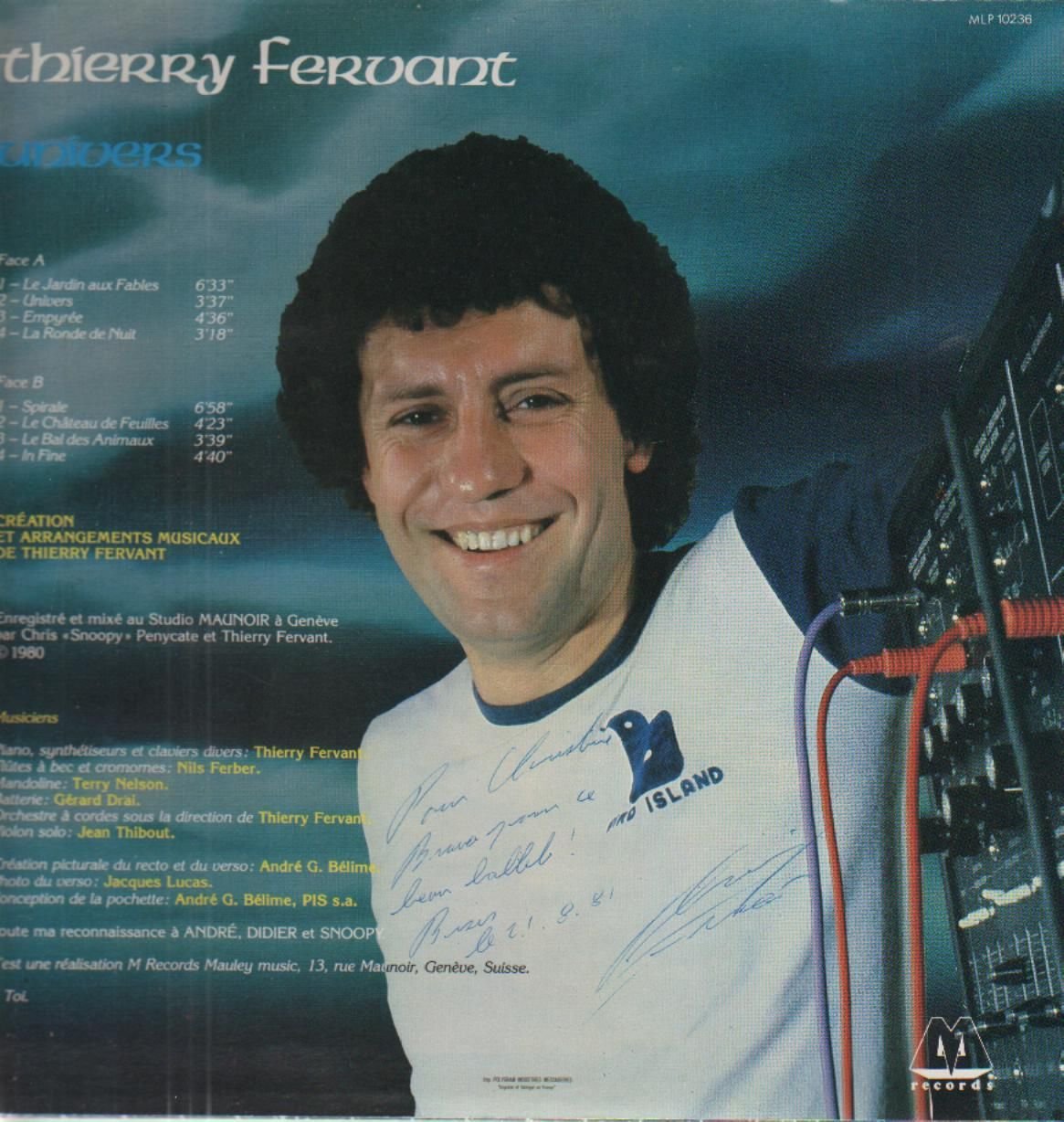
Thierry Fervant
Thierry Fervant est un musicien et Ami Suisse qui démarra sa carrière en 1964 après avoir suivi ses classes de piano, de solfège supérieur, d’harmonie et de contrepoint à Genève. Il fut également attaché de presse pour la maison de disques Barclay.
L’île d’Avalon ou d’Avallon est, dans la littérature arthurienne, le lieu où est emmené le roi Arthur après sa dernière bataille à Camlann.
C’est aussi, selon certaines légendes, l’endroit où fut forgée l’épée d’Arthur, Excalibur. C’est enfin l’île où vivait supposément la fée Morgane. (Source : Wikipédia)
La magie n’est pas loin ; Il suffit d’un peu de brume, d’un soupçon des souvenirs liés à l’innocence de son enfance, d’un zeste d’âme pure et le tour est joué.
Voici la formule :
« Évadons-nous et laissons-nous transporter dans les rêves et dans l’infini de la création, laissons-nous guider au pays de la magie, celle des druides et des sorcières qui à l’unisson autour d’un feu de joie, transcendent l’amour et la vie. Laissons-nous transporter dans les vallées où ruissellent en éclats l’or et l’argent, laissons la pluie d’étoiles étinceler et nous illuminer, laissons la musique enivrante et ensorcelante issue de notre cœur pur d’enfant nous immerger de ces mondes dont l’harmonie, la paix et l’amour sont l’essence-même ».
Récitée dans la règle de l’art des magiciens, cette formule vous permettra de voler au delà des horizons.
Elveția – Cultură și cinema elvețian: Legenda lui Avalon
Thierry Fervant
Thierry Fervant este un muzician și prieten elvețian care și-a început cariera în 1964, după ce a urmat cursurile de pian, teoria muzicii superioare, armonie și contrapunct la Geneva. A fost și secretar de presă pentru casa de discuri Barclay.
Insula Avalon sau Avallon este, în literatura arthuriană, locul în care este dus regele Arthur după ultima sa bătălie de la Camlann.
Este, de asemenea, conform unor legende, locul unde a fost forjată sabia lui Arthur, Excalibur. În cele din urmă, este insula în care se presupune că a trăit zâna Morgane. (Sursa: Wikipedia)
Magia nu este departe; Este nevoie doar de puțină ceață și un strop de amintiri despre inocența ei din copilărie.
Iată formula:
„Să evadăm și să ne lăsăm transportați în vise și în infinitul creației, să ne călăuzim spre tărâmul magiei, cel al druidilor și vrăjitoarelor care la unison în jurul unui foc de tabără, transcend iubirea și viața. Să fim transportați în văile în care aurul și argintul curg în cioburi, să lăsăm ploaia de stele să scânteie și să ne lumineze, să ne cufunde muzica îmbătătoare și vrăjitoare din inimile noastre curate de copil să ne cufunde în aceste lumi a căror armonie, pace și iubire sunt esență ».
Recitată în regula artei magicienilor, această formulă vă va permite să zburați dincolo de orizonturi.
Swiss Culture & Cinema: The legend of Avalon
Thierry Fervant is a Swiss musician and friend who started his career in 1964 after taking his piano, superior music theory, harmony and counterpoint classes in Geneva. He was also press secretary for the Barclay record company.
The Isle of Avalon or Avallon is, in Arthurian literature, the place to which King Arthur is taken after his last battle at Camlann.
It is also, according to some legends, the place where Arthur’s sword, Excalibur, was forged. Finally, it is the island where the fairy Morgane supposedly lived. (Source: Wikipedia)
The magic is not far away; All it takes is a bit of mist, a hint of memories linked to the innocence of his childhood, a zest of pure soul and you’re done.
Here is the formula:
« Let us escape and let ourselves be transported into dreams and the infinity of creation, let us be guided to the land of magic, that of the druids and witches who in unison around a bonfire, transcend love and life. Let us be transported to the valleys where gold and silver flow in shards, let the rain of stars sparkle and illuminate us, let the intoxicating and bewitching music from our pure childish hearts immerse us in these worlds whose harmony, peace and love are the very essence”.
Recited in the rule of the art of magicians, this formula will allow you to fly beyond the horizons.
Les titres proposés dans cette vidéo : Titluri prezentate în acest videoclip:
Titles featured in this video:
Thierry Fervant : Blue Planet 1984
Thierry Fervant : Legend of Avalon 1988
Thierry Fervant : Univers “Univers” 1980
Thierry fervant : Univers “Garden of fables” 1980
Thierry fervant : Univers “In fine” 1980
Thierry fervant : Univers “Night ring” 1980
Thierry Fervant : Univers “Animals dance” 1980
Thierry Fervant : Seasons of life “Initiation” 1981
Thierry Fervant : Legend of Avalon “The lady of the lake” 1988
Thierry fervant : Luz Violenta “Lumière violente” Série TV 1970