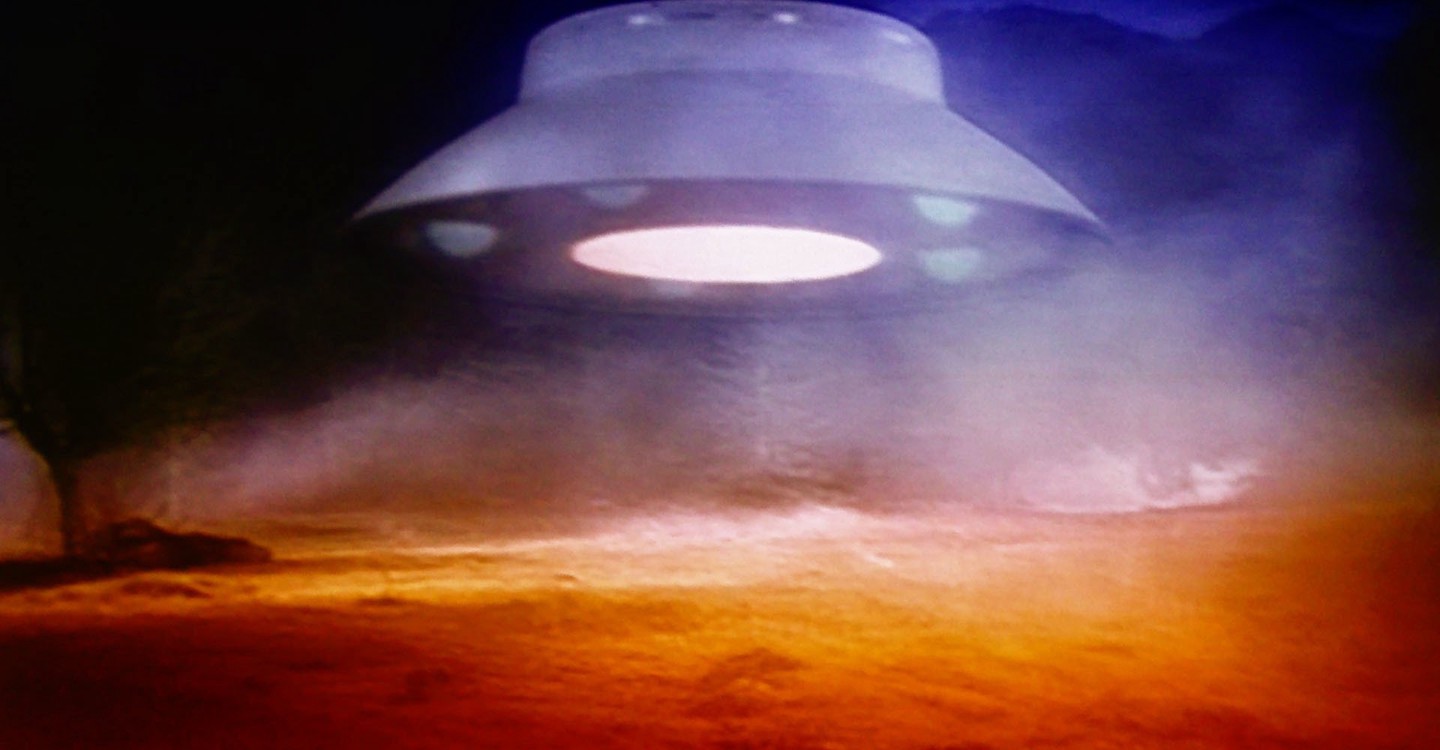
Série culte de la fin du siècle dernier, elle demeure encore aujourd’hui dans l’inconscient collectif toutes génération confondues et c’est sur une musique du groupe 3ème génération et avec la voix du comédien Dominique Paturel qui était la doublure française de l’architecte David Vincent que voici quelques souvenirs.
Cultură și cinema: invadatorii
Serial cult de la sfârșitul secolului trecut, rămâne și astăzi în inconștientul colectiv al tuturor generațiilor și este pe muzică a grupului de generația a 3-a și cu vocea actorului Dominique Paturel care a fost substudiul francez al arhitectului David Vincent. că iată câteva amintiri.
Culture & Cinema : The invaders
Cult series from the end of the last century, it still remains today in the collective unconscious of all generations and it is on music from the 3rd generation group and with the voice of the actor Dominique Paturel who was the French understudy of the architect David Vincent here are some memories.
Mon Grand-père maternel était américain, ma grand-mère maternelle était allemande et c’est un concours de circonstance durant la seconde guerre mondiale qui les a fait se rencontrer. Mes grands-parents paternels étaient quand à eux Suisses mais ce sont leurs parents ou autrement dit mes arrières grand-parents paternels qui eux venaient de Roumanie. Ils étaient Gitans dans les Carpates (Transylvanie).
Ai-je du sang de Dracula dans les veines?
Je vous offre de très belles images du château de Corvin en Transilvanie sur une musique de mon ami Manfred Alois Segieth.
Merci au label Metronome Music GmbH.
Sângele lui Dracula îmi curge prin vene
Bunicul meu matern era american, bunica mea maternă era germană și a fost o combinație a circumstanțelor celui de-al Doilea Război Mondial care i-a adus împreună. Bunicii mei paterni erau elvețieni, dar erau părinții lor, adică bunicii mei paterni, veniți din România. erau ţigani în Carpaţi (Transilvania).
Am sângele lui Dracula în vene?
Vă ofer imagini foarte frumoase ale castelului Corvinului din Transilvania pe o muzică a prietenului meu Manfred Alois Segieth.
Multe mulțumiri Metronome Music GmbH.
Dracula’s blood runs through my veins
My maternal grandfather was American, my maternal grandmother was German and it was a combination of circumstances during the Second World War that brought them together. My paternal grandparents were Swiss, but it was their parents, or in other words my paternal great-grandparents, who came from Romania. They were Gypsies in the Carpathians (Transylvania).
Do i have Dracula’s blood in my veins?
I offer you very beautiful images of the castle of Corvin in Transylvania on a music of my friend Manfred Alois Segieth.
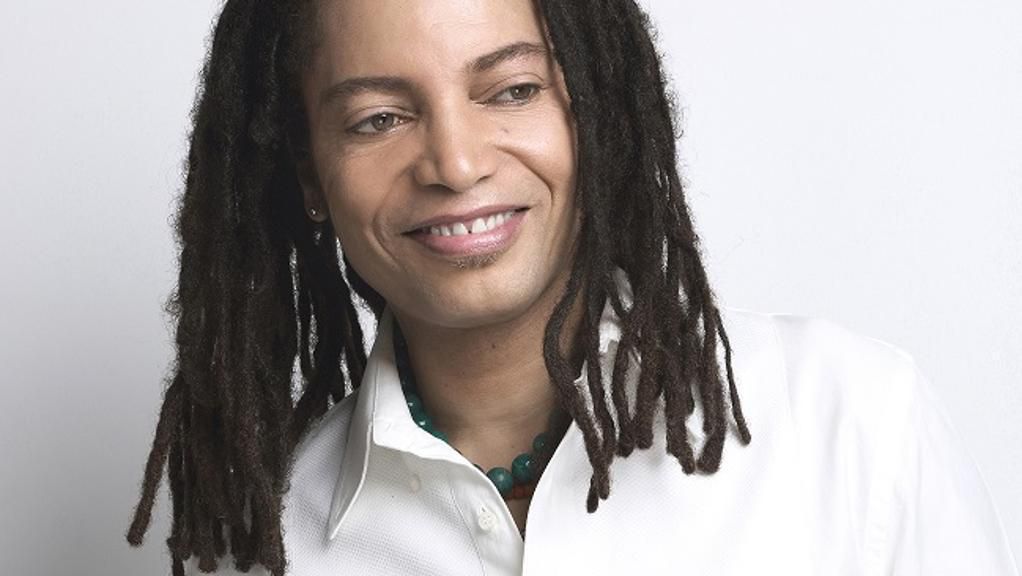
Sign Your Name est une chanson écrite et interprétée par Terence Trent D’Arby (maintenant connu sous le nom Sananda Maitreya), sorti en tant que single en . La chanson est extraite de l’album Introducing the Hardline According to Terence Trent D’Arby sorti en 1987 et a été un succès international, atteignant la 2e place au Royaume-Uni dans les UK Singles Chart début 1988 et la 4e place aux États-Unis dans le Billboard Hot 100. En France, la chanson s’est classée en 14e position. La chanson a été remixée par Lee « Scratch » Perry pour la sortie européenne du single. Le clip vidéo a été réalisé par Vaughan Arnell. La première du clip s’est déroulée en
Merci à Columbia Records.
Lasă o urmă de tine în inima mea
Terence Trent D’Arby
Sign Your Name este o melodie scrisă și interpretată de Terence Trent D’Arby (acum cunoscută sub numele de Sananda Maitreya), lansată ca single în decembrie 1987. Cântecul este de pe albumul Introducing the Hardline Selon Terence Trent D’Arby a fost lansat în 1987 și a fost un hit internațional, ajungând pe locul 2 în Marea Britanie în UK Singles Chart la începutul anului 1988 și pe locul 4 în SUA în Billboard Hot 100. În Franța, cântecul s-a clasat pe locul 14. Piesa a fost remixată de Lee „Scratch” Perry pentru lansarea europeană a single-ului. Videoclipul a fost regizat de Vaughan Arnell. Premiera clipului a avut loc în ianuarie 1988.
Mulțumim Columbia Records.
Leave a trace of you in my heart
Terence Trent D’Arby
Sign Your Name is a song written and performed by Terence Trent D’Arby (now known as Sananda Maitreya), released as a single in December 1987. The song is from the album Introducing the Hardline According to Terence Trent D ‘Arby was released in 1987 and was an international hit, reaching #2 in the UK on the UK Singles Chart in early 1988 and #4 in the US on the Billboard Hot 100. In France the song charted in 14th position. The song was remixed by Lee « Scratch » Perry for the single’s European release. The music video was directed by Vaughan Arnell. The premiere of the clip took place in January 1988.
Né à Atlanta (Géorgie)le et mort assassiné le à Memphis (Tennessee), est un pasteur baptiste afro-américain, militant non-violent pour les droits civiques des Noirs aux États-Unis, pour la paix et contre la pauvreté.
Merci au label Motown pour son aimable autorisation.
Suntem de toate culorile
« Happy birthday » By Stewie Wonder
Martin Luther King Jr.
Născut la Atlanta (Georgia) la 15 ianuarie 1929 și asasinat la 4 aprilie 1968 în Memphis (Tennessee), este un pastor baptist afro-american, activist nonviolent pentru drepturile civile negre din Statele Unite, pentru pace și împotriva sărăciei.
Multe mulțumiri Motown Records pentru permisiunea lor amabilă.
We are of all colors
« Happy birthday » By Stewie Wonder
Martin Luther King Jr.
Born in Atlanta, Georgia on January 15, 1929 and assassinated on April 4, 1968 in Memphis, Tennessee, he is an African-American Baptist pastor, nonviolent activist for black civil rights in the United States, for peace and against poverty.
Many thanks to the Motown label for the kind permission.
Ça se déguste au petit déjeuner, au Déjeuner et au Dîner sans complexe. C’était il y a 20 ans et ils n’ont pas pris une seule ride.
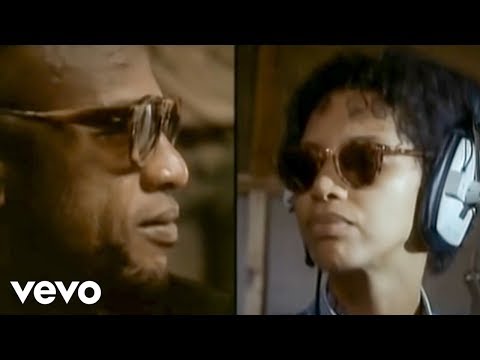
Womack & Womack était le partenariat de chant et d’écriture de chansons des musiciens américains Linda Womack et de son mari, Cecil Womack. Le duo a eu du succès en tant qu’auteurs-compositeurs pour d’autres artistes et a eu plusieurs succès internationaux en tant que duo de chanteurs dans les années 1980 et 1990.
Les enregistrements ultérieurs, avec d’autres membres de leur famille ont été crédités à The House of Zekkariyas.
Merci à Warner Bros.
Cultură și cinema
Irrésistibles Womak & Womak
Acesta poate fi savurat la micul dejun, prânz și cină fără niciun fel de agitație. Asta a fost acum 20 de ani și nu au îmbătrânit o dată.
Womack & Womack a fost parteneriatul dintre muzicienii americani Linda Womack și soțul ei, Cecil Womack. Duo-ul s-a bucurat de succes ca compozitori pentru alți artiști și a avut câteva hituri internaționale ca duo în anii 1980 și 1990.
Înregistrările ulterioare, cu alți membri ai familiei lor, au fost creditate Casei Zekkariyas.
Multe mulțumiri lui Warner Bros.
Culture & cinema
Irrésistibles Womak & Womak
It can be enjoyed for breakfast, lunch and dinner without complex. It was 20 years ago and they did not take a wrinkle.
Womack & Womack was the singing and songwriting partnership of American musicians Linda Womack and her husband, Cecil Womack. The duo were successful as songwriters for other artists, and had several international hits as a singing duo in the 1980s and 1990s.
Later recordings, with other members of their family, were credited to The House of Zekkariyas.
Ma vision du Paradis et de l’amour sur cette planète
Viens tutoyer mon âme et mon esprit, tu es le bienvenu
Souvent, je rêve que je vole.
Qu’est-ce que le Paradis ?
Si l’on pouvait se faire une idée de ce que représente le paradis pour tous les êtres vivants sur cette planète, je pense qu’il y aurait autant de définitions différentes qu’il y a de vies car chaque vie est un univers.
Pour moi, le paradis commence par la vision d’un monde propre, sain, sans guerre, sans goudron ni pétrole, avec des montagnes, des vallées, des déserts, des rivières, des lacs, des océans et une technologie qui se mêle en symbiose avec la nature. Un climat tempéré, agréable et n’être entouré que par des êtres aimant et aimés sans avoir à se soucier du lendemain.
Libres et égaux devant cette volonté de vie céleste, l’amour serait le mot clef donnant accès à cette genèse immortelle et commune à tous, cette volonté universelle liant les êtres aux galaxies et aux univers dans le but immuable d’une création sans cesse renouvelée.
Un monde ou nos rêves seraient créateurs d’univers.
Finalement, la clef du paradis ne résiderait que dans le fait d’avoir conscience de ce qu’il nous offre. La mort physique ne serait qu’une renaissance pour nous permettre d’évoluer sur un plan spirituel supérieur.
Voilà pour ma vision du paradis.
Aujourd’hui, je vis dans un monde qui est aux antipodes de l’idée que je me fais du paradis ou même d’un monde idéal mais ce chemin est nécessaire pour mon évolution spirituelle. Je dois nourrir mon âme d’amour, de compréhension, de compassion, d’humilité, d’empathie et de pardon vis à vis de mon prochain.
La Terre, Gaïa, pourrait être un véritable paradis terrestre si la cupidité en pouvoir et en argent ne l’avait pas, en la violant et la souillant systématiquement, dépourvue de toutes ses ressources, de tous ses bien faits et de sa magie.
Prendre conscience de cela fait de nous des êtres avisés et éclairés. Notre civilisation et son mécanisme actuel nous dirigent vers un avenir sombre se traduisant par l’avènement de ténèbres dans lesquelles l’humanité entraine avec elle tout ce qui vit sur cette planète.
Se libérer du poids de ses vies, c’est se rapprocher de la vérité et de la lumière.
J’en appelle aux enfants des étoiles aux guerriers de la lumière, natifs de Gaïa ou d’ailleurs afin d’éveiller toutes ces eaux dormantes.
Il y a beaucoup à faire, mais il n’est peut-être pas trop tard.
Vidéos: Un festival de couleurs et de notes pour un voyage intemporel.
Samuel Stemmer / Thomas Bergersen « Mountain call »
Glaucio Cristelo « Someone like you »
Oliver shanti and friends « Journey to shamballa »
viziunea mea despre cer și dragoste pe această planetă
Vino să vorbești cu sufletul și mintea mea, ești binevenit
Adesea, visez că zbor.
Ce este paradisul ?
Dacă s-ar putea face o idee despre ceea ce reprezintă cerul pentru toate viețuitoarele de pe această planetă, cred că ar exista la fel de multe definiții diferite pe cât există oameni care o locuiesc, deoarece fiecare viață este un univers.
Pentru mine, paradisul începe cu viziunea unei lumi curate, sănătoase, fără război, fără gudron sau petrol, cu munți, văi, deșerturi, râuri, lacuri, oceane și o tehnologie care se amestecă în simbioză cu natura. Un climat temperat și plăcut, care să fie înconjurat doar de ființe iubitoare și iubite, fără a fi nevoie să vă faceți griji pentru ziua de mâine.
Liberă și egală cu această voință a vieții cerești, dragostea ar fi cuvântul-cheie care oferă acces la această geneză nemuritoare, imuabilă și comună tuturor, această voință universală care leagă ființele de galaxii și universuri în scopul imuabil al unei creații reînnoite constant.
O lume în care visele noastre ar fi creatori de universuri.
În cele din urmă, cheia paradisului constă doar în a fi conștient de ceea ce îmi oferă și moartea fizică ar fi o renaștere spirituală care să ne permită să evoluăm pe un plan superior.
Atât de mult pentru viziunea mea despre paradis.
Astăzi, trăiesc într-o lume care este simetric opusul ideii mele de paradis, o cale necesară pentru evoluția mea spirituală.
Pământul, Gaia, ar putea fi un adevărat paradis, dacă lăcomia în putere și bani nu ar avea-o, încălcându-l și spurcându-l, lipsit de toate resursele și beneficiile sale.
Conștientizarea acestui lucru ne face oameni înțelepți și luminați. Societatea noastră și mecanismul ei actual ne conduc spre un viitor întunecat care are ca rezultat apariția întunericului în care umanitatea aduce cu sine tot ce trăiește pe această planetă.
Să te eliberezi de greutatea vieții tale înseamnă să te apropii de adevăr și de lumină.
Îi chem pe copiii stelelor, născuți în Gaia, să trezească toate acele ape adormite.
Sunt multe de făcut, dar nu este prea târziu.
Videos: Un festival de culori și note pentru o călătorie atemporală.
Samuel Stemmer / Thomas Bergersen « Mountain call »
Glaucio Cristelo « Someone like you »
Oliver shanti and friends « Journey to shamballa »
Come to talk with my soul and my spirit, you are welcome
Often, i dream that i am flying.
What is paradise ?
If one could get an idea of what heaven represents for all living things on this planet, I think there would be as many different definitions as there are people who inhabit it because each life is a universe.
For me, paradise begins with the vision of a clean, healthy world, without war, without tar or oil, with mountains, valleys, deserts, rivers, lakes, oceans and a technology that blends in symbiosis with nature. A temperate and pleasant climate, to be surrounded only by loving and loved beings without having to worry about tomorrow.
Free and equal to this will of celestial life, love would be the key-word giving access to this immortal genesis, immutable and common to all, this universal will linking beings to galaxies and universes for the immutable purpose of a creation constantly renewed.
A world where our dreams would be creators of universes
Finally, the key to paradise lies only in being aware of what it offers me and physical death would be a spiritual rebirth to allow us to evolve on a higher plane.
So much for my vision of paradise.
Today, I live in a world that is symmetrically the opposite of my idea of paradise, a necessary path for my spiritual evolution.
The Earth, Gaia, could be a real paradise, if the greed in power and money did not have it, by violating it and defiling it, devoid of all its resources and its benefits.
Becoming aware of this makes us wise and enlightened people. Our society and its current mechanism are leading us towards a dark future resulting in the advent of darkness in which humanity brings with it all that lives on this planet.
To free yourself from the weight of your lives is to draw closer to the truth and to the light.
I call on the children of the stars, Gaia-born, to awaken all those dormant waters.
There is a lot to do, but it is not too late.
Videos: A festival of colors and notes for a timeless journey.
Samuel Stemmer / Thomas Bergersen « Mountain call »
Glaucio Cristelo « Someone like you »
Oliver shanti and friends « Journey to shamballa »
Sky Mubs « Rain of light »
We are all connected « We are all connected »
Moby « Innocent »
Texte et traduction depuis le français : Stéphane Guibert.
Text și traducere din franceză : Stephane Guibert.
Text and translation from French Stéphane Guibert.
Lorsque des synthétiseurs vous envoient dans le cosmos
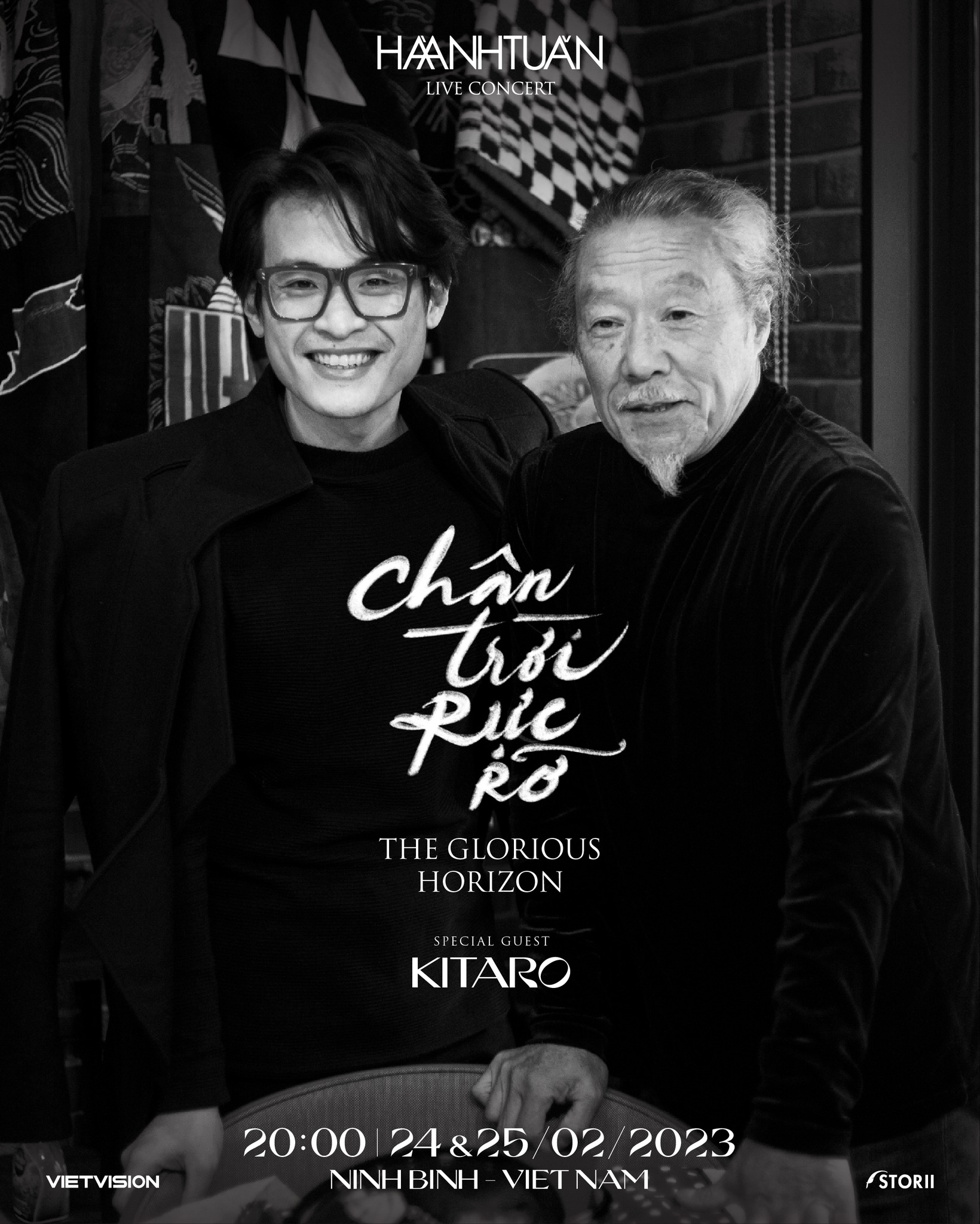
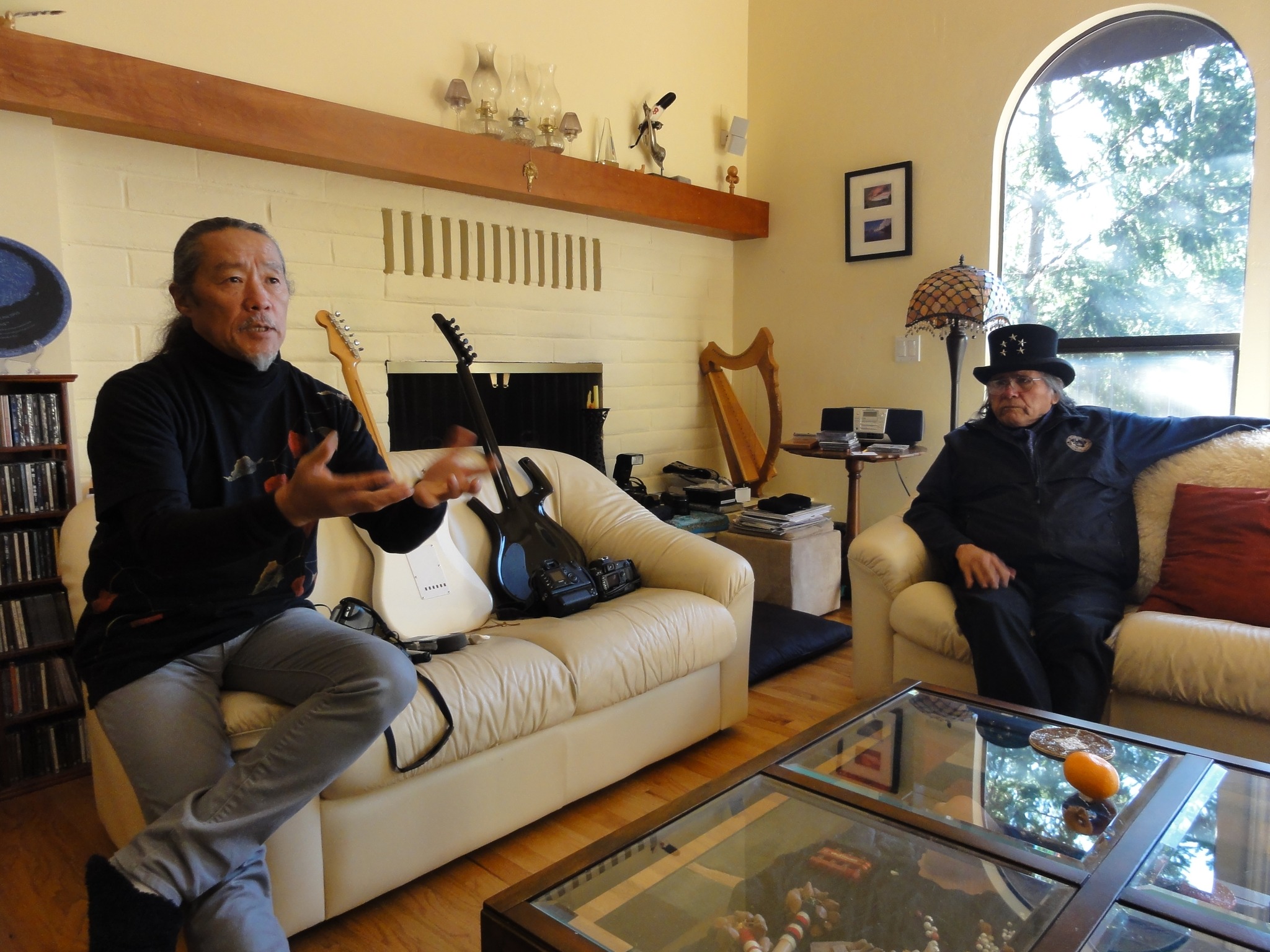
***** KITARO *****
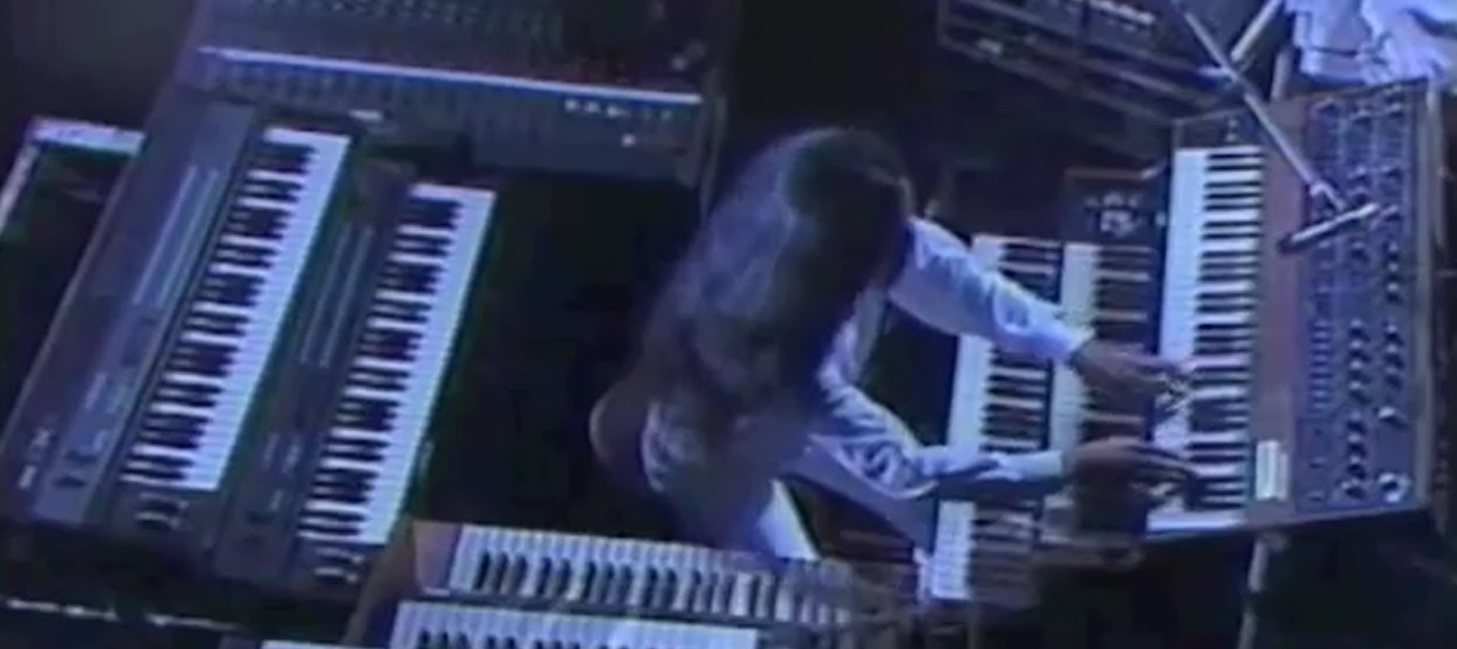
Avec sa musique, Kitaro, ce compositeur Japonais nous embarque dans des aventures au delà du temps et de la raison. Avec lui, il faut savoir lire entre les lignes et musicalement parlant, c’est loin d’être évident pour le profane. Néanmoins pour celui qui a une oreille musicale saura apprécier.
Merci Kitaro pour avoir su me bercer de ta musique depuis mon enfance et bien au delà….
Dans cet article, les liens ne sont pas nécessaires. Ceux qui sauront te comprendre sauront te suivre.
Cultură și cinema
Când sintetizatoarele te trimit în cosmos
***** KITARO *****
Cu muzica sa, Kitaro, acest compozitor japonez ne duce în aventuri dincolo de timp și rațiune. Cu el trebuie să știi să citești printre rânduri și muzical vorbind, nu este nici pe departe evident pentru profan. Cu toate acestea, cei care au ureche muzicală vor aprecia.
Îți mulțumesc Kitaro că ai știut să mă legănezi cu muzica ta încă din copilărie și mai departe….
În acest articol, linkurile nu sunt necesare. Cei care te pot înțelege vor ști să te urmeze.
Culture and cinema
When synthesizers send you into the cosmos
***** KITARO *****
With his music, Kitaro, this Japanese composer takes us on adventures beyond time and reason. With him, you have to know how to read between the lines and musically speaking, it’s far from obvious for the layman. Nevertheless for those who have a musical ear, they will appreciate.
Thank you Kitaro for knowing how to rock me with your music since my childhood and well beyond….
In this article, links are not necessary. Those who can understand you will know how to follow you.
Culture & cinéma : Et si la mort venait nous souhaiter bonne nuit ?
De belles histoires d’amour singulières. Mylène Farmer
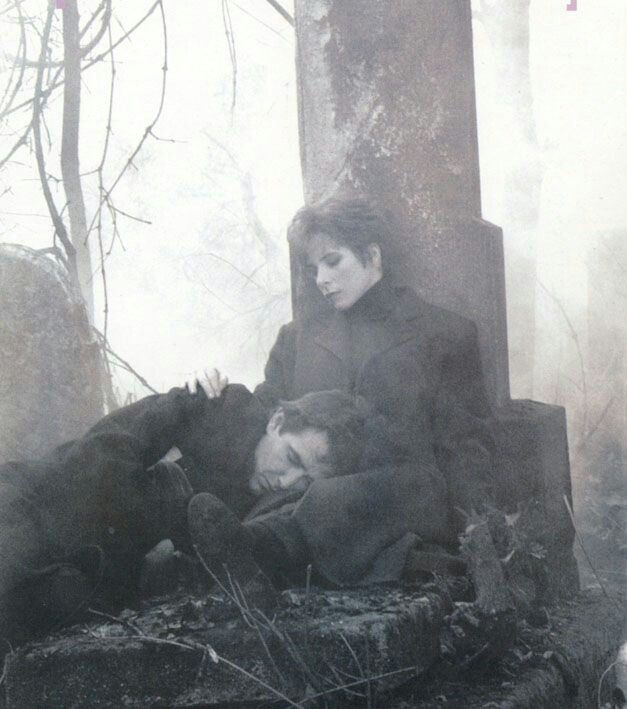
« Regrets » est une chanson de 1991 enregistrée par l’auteure-compositrice-interprète française Mylène Farmer en duo avec le musicien Jean-Louis Murat. La chanson est sortie le 29 juillet 1991 et était le deuxième single de son troisième album studio L’Autre…. Le clip a été tourné dans un cimetière de Budapest, car la chanson traite d’une relation amoureuse entre deux personnes séparées par le mort de l’un d’eux. Cette ballade est devenue l’un des trois meilleurs tubes en France et a également connu un succès en Belgique.
Merci à Mylène et à Polydor.
Mylène, mes claviers sont audacieux, une imagination sans limite et des rêves plein la tête. Contactes-moi!
Cultură și cinema: Ce se întâmplă dacă moartea ne-a dorit noapte bună ?
Povești frumoase de dragoste singulare. Mylène Farmer
„Regrets” este o melodie din 1991 înregistrată de cântăreața și compozitoarea franceză Mylène Farmer în duet cu muzicianul Jean-Louis Murat. Piesa a fost lansată pe 29 iulie 1991 și a fost al doilea single de pe al treilea album al său de studio, The Other…. Videoclipul a fost filmat într-un cimitir din Budapesta, deoarece melodia este despre o relație romantică între două persoane despărțite de moartea unuia dintre ei. Această baladă a devenit un hit de top trei în Franța și s-a bucurat și de succes în Belgia.
Mulțumesc lui Mylène și Polydor.
Mylène, tastaturile mele sunt îndrăznețe, o imaginație fără limite și un cap plin de vise. Contacteaza-ma!
Culture & cinema: What if death came to wish us good night ?
Beautiful singular love stories. Mylène Farmer
« Regrets » is a 1991 song recorded by French singer-songwriter Mylène Farmer as duet with musician Jean-Louis Murat. The song was released on 29 July 1991 and was the second single from her third studio album L’Autre…. The music video was shot in a cemetery in Budapest, as the song deals with a love relationship between two people separated by the death of one of them. This ballad became a top three hit in France and was also successful in Belgium.
Many thanks to Mylène and Polydor.
Mylène, my keyboards are daring, an unlimited imagination and a head full of dreams. Contact me!