Retour sur un générique qui avait fait une entrée spectaculaire dans les années 80
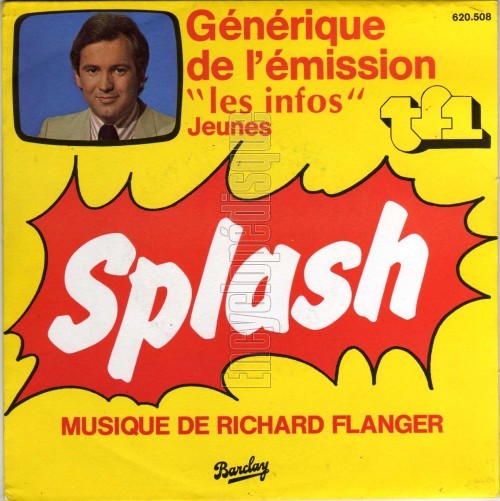
Les infos jeunes sur TF1
Ce gars est un génie en musique, il c’est reconverti dans la photo, que grand bien lui fasse.
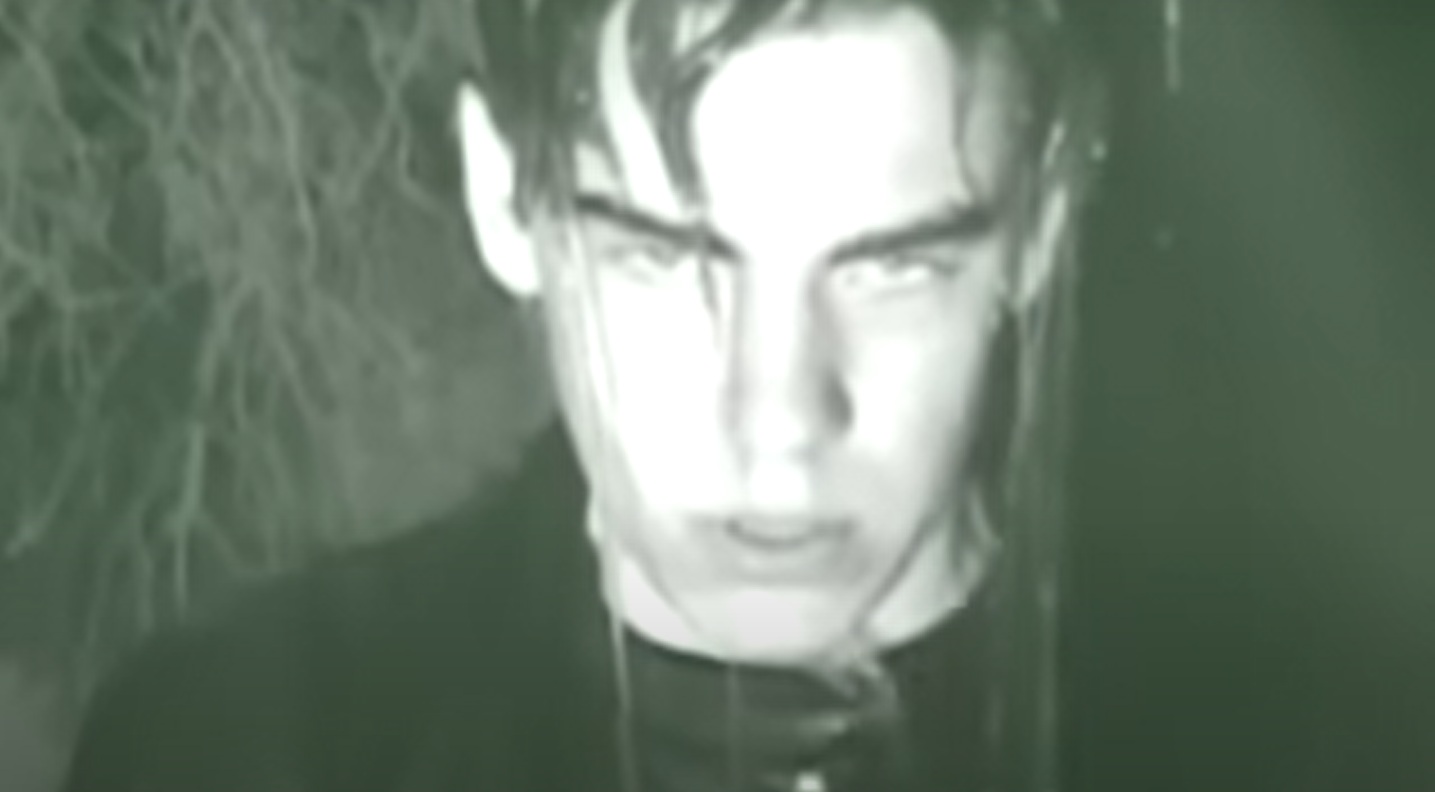
Qui ne se souvient pas chez les plus anciens de ce thème dédié aux jeunes téléspectateurs dans les années 80 sur la première chaîne française, TF1. Ce magnifique thème « Splash » utilisé comme générique de l’émission hebdomadaire (tous les mercredis) « Les infos jeunes, » composé par Richard Flanger et interprété par Frédéric Mercier sur ses claviers magiques qui, aux dernières nouvelles, a quitté le monde musical pour se consacrer à celui de l’image.
Trop vite disparut, Andrew Farriss était une âme sœur.
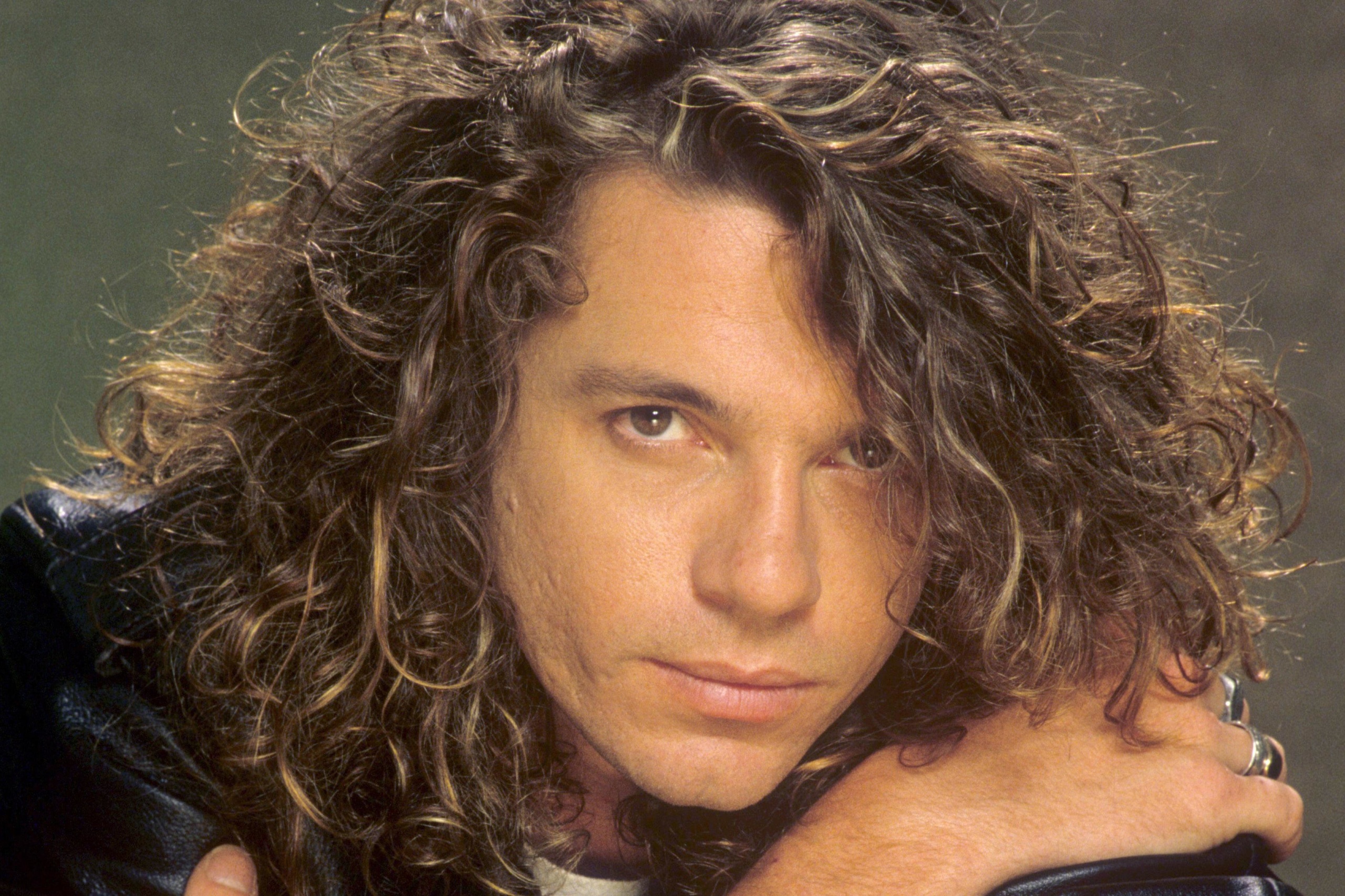
NXS (prononcé « in excess ») est un groupe de rock australien, originaire de Sydney, en Nouvelle-Galles du Sud. Il s’est formé en 1977 et séparé en 2012.
Ses membres commencent leur carrière en jouant des reprises dans des pubs et des clubs, et occasionnellement des morceaux originaux. Le groupe comprend le compositeur et claviériste Andrew Farriss, le batteur Jon Farriss, les guitaristes Tim Farriss et Kirk Pengilly, le bassiste Garry Gary Beers et le parolier et chanteur Michael Hutchence. Pendant vingt ans, INXS a comme chanteur Michael Hutchence, disparu en 1997, dont la présence magnétique sur scène fait de lui le point central du groupe. À l’origine connu pour son style new wave/pop, le groupe développe un style pub rock qui comprend des éléments de funk et dance.
En 1980, INXS atteint les classements australiens avec son premier album éponyme, puis rencontre le succès international avec l’album Shabooh Shoobah (1982) et son single The One Thing. Kick, paru en 1987, est l’album le plus connu du groupe.
***** INXS *****
« Never Tear Us Apart »
He disappeared too soon; Andrew Farriss was a kindred spirit.
NXS (pronounced « in excess ») are an Australian rock band from Sydney, New South Wales. They formed in 1977 and broke up in 2012.
Its members began their career playing covers in pubs and clubs, and occasionally original material. The band includes composer and keyboardist Andrew Farriss, drummer Jon Farriss, guitarists Tim Farriss and Kirk Pengilly, bassist Garry Gary Beers, and lyricist and vocalist Michael Hutchence3. For twenty years, INXS has as singer Michael Hutchence, who died in 1997, whose magnetic presence on stage makes him the focal point of the group. Originally known for their new wave/pop style, the band developed a pub rock style that included elements of funk and dance.
In 1980, INXS hit the Australian charts with their self-titled debut album, then found international success with the album Shabooh Shoobah (1982) and its single The One Thing. Kick, released in 1987, is the band’s best-known album.
Alphaville est un groupe new wave allemand, originaire de Münster. Il commence sa carrière au début des années 1980. Le groupe est composé à l’origine de Marian Gold, Bernhard Lloyd et Frank Mertens.
C’est le titre « Big in Japan » sorti en 1984 et faisant partie de l’album « Forever young » qui propulsa le groupe au sommet des charts internationaux.
Le nom du groupe est choisi en référence au film Alphaville, une étrange aventure de Lemmy Caution de Jean-Luc Godard sorti en 1965.
Cette musique qui n’a pas pris une seule ride reste à découvrir pour les têtes blondes et demeure un excellent souvenir pour les plus anciens.
Merci à Warner Bros.
***** ALPHAVILLE *****
« A VICTORY OF LOVE »
Alphaville is a German new wave band from Münster. They began their career in the early 1980s. The band originally consisted of Marian Gold, Bernhard Lloyd, and Frank Mertens.
It was the song « Big in Japan » released in 1984 and part of the album « Forever Young » that propelled the group to the top of the international charts.
The band’s name was chosen in reference to the film Alphaville, a strange adventure of Lemmy Caution by Jean-Luc Godard, released in 1965.
This music, which has not aged a single day, remains a must-discover for young people and remains an excellent memory for older ones.
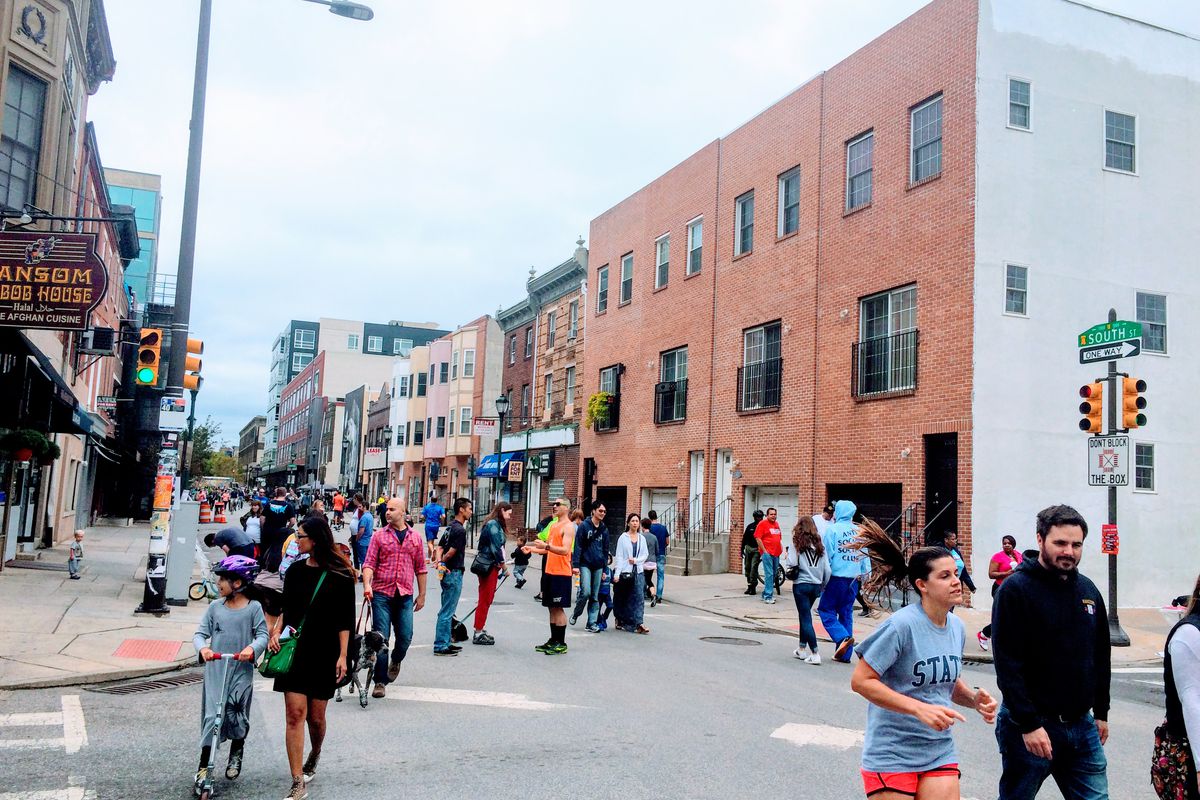
« Streets of Philadelphia » est une chanson écrite et interprétée par le musicien de rock américain Bruce Springsteen pour le film Philadelphia (1993) avec Tom Hanks , un des premiers films grand public traitant du VIH / SIDA. Sorti en single en 1994, la chanson a été un succès dans de nombreux pays, notamment en Autriche, au Canada, en France, en Allemagne, en Islande, en Irlande, en Italie et en Norvège, où elle a dominé les charts des singles. Aux États-Unis, le single culmine à la neuvième place du Billboard Hot 100.
La chanson a été acclamée et a remporté l’Oscar de la meilleure chanson originale et quatre Grammy Awards : chanson de l’année, meilleure chanson rock, meilleure performance vocale rock, solo et meilleure chanson écrite spécifiquement pour un film ou une télévision. En 2004, il a terminé à la 68ème place 68 de l’ AFI 100 Years … 100 Songs sur les meilleurs morceaux du cinéma américain.
La chanson est répertoriée parmi les 500 chansons du Rock and Roll Hall of Fame qui ont façonné le rock and roll.
Merci au label Columbia Records.
« Street of Philadelphia »
Bruce Springsteen
« Streets of Philadelphia » is a song written and performed by American rock musician Bruce Springsteen for the film Philadelphia (1993) starring Tom Hanks, an early mainstream film dealing with HIV/AIDS. Released as a single in 1994, the song was a hit in many countries, particularly in Austria, Canada, France, Germany, Iceland, Ireland, Italy, and Norway, where it topped the singles charts. In the United States, the single peaked at number nine on the Billboard Hot 100.
The song received acclaim and went on to win the Academy Award for Best Original Song and four Grammy Awards: Song of the Year, Best Rock Song, Best Rock Vocal Performance, Solo, and Best Song Written Specifically for a Motion Picture or Television. In 2004, it finished at number 68 on AFI’s 100 Years…100 Songs survey of top tunes in American cinema.
The song is listed among the Rock and Roll Hall of Fame’s 500 Songs that Shaped Rock and Roll.
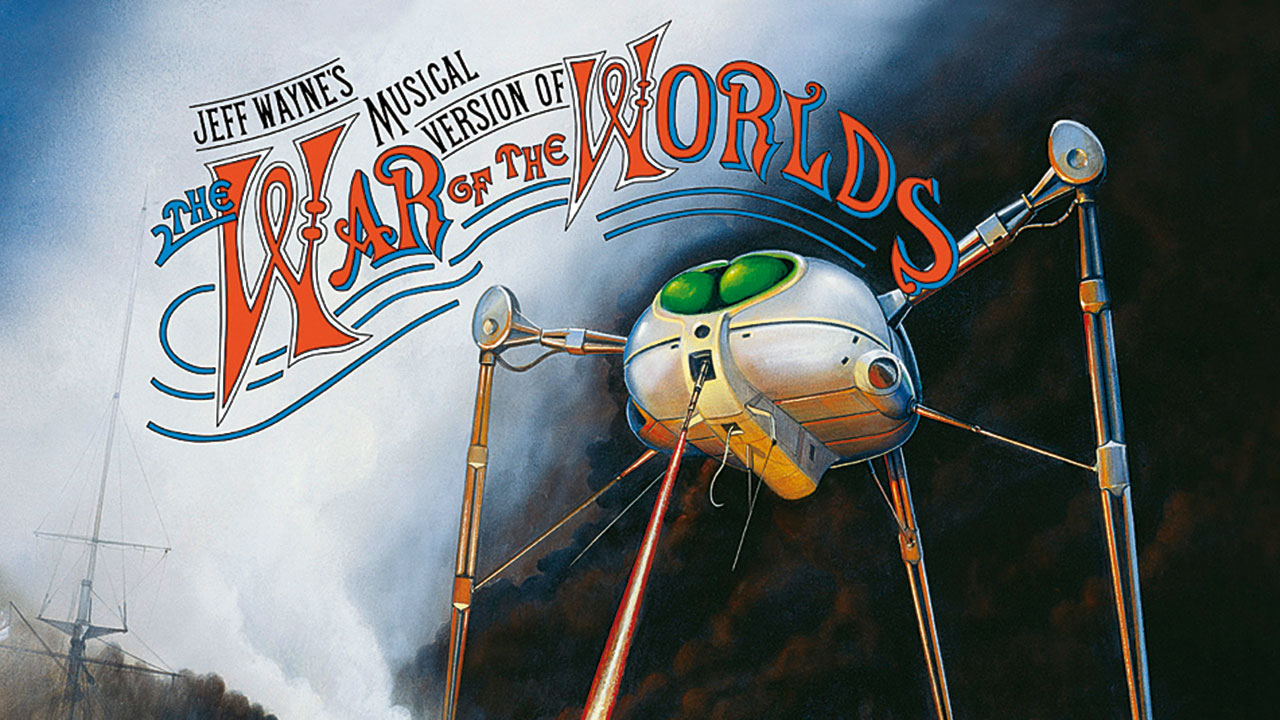
Jeff Wayne’s Musical Version of The War of the Worlds est un double album studio du musicien, compositeur et producteur de disques britannique d’origine américaine Jeff Wayne, sorti le 9 juin 1978 par CBS Records. Il s’agit d’un album musical adapté du roman de science-fiction La Guerre des mondes de H. G. Wells dans un style d’opéra rock avec un groupe de rock, un orchestre, un narrateur et des leitmotivs pour porter l’histoire et les paroles qui expriment les sentiments des différents personnages. L’album présente les artistes invités David Essex, Justin Hayward, Phil Lynott, Chris Thompson et Julie Covington, avec l’acteur Richard Burton comme narrateur.
L’album est devenu un succès commercial au Royaume-Uni, débutant à la 5e place du UK Albums Chart. Il a remporté deux Ivor Novello Awards, dont un pour Wayne et le parolier principal Gary Osborne pour la meilleure œuvre instrumentale ou orchestrale populaire. L’album a connu une popularité durable depuis sa sortie et a été acclamé par la critique. Il s’est vendu à plus de 2,7 millions d’exemplaires au Royaume-Uni et à environ 15 millions d’exemplaires dans le monde. En 2018, il était le 32e album studio le plus vendu au Royaume-Uni de tous les temps.
L’adaptation de Wayne a donné naissance à de multiples versions, notamment des jeux vidéo, des DVD et des spectacles sur scène. En 2012, Wayne a publié un réarrangement de l’album, sous-titré The New Generation, incorporant davantage de synthétiseurs et de nouvelles compositions et dialogues.
Pour illustrer ce billet, les titres « The fighting machines » version 7″ inch (7,78 centimètres) 7 pouces, mesure anglaise représentant le diamètre d’un disque vinyle tournant à 45 tours minutes, le titre « Forever automn » face « B » de « The fighting machines », l’intégrité de la version musicale de jeff wayne’s war of the worlds ainsi que le film « La guerre des mondes » (1953) en version française.
The War of the Worlds by Jeff Wayne
Jeff Wayne’s Musical Version of The War of the Worlds is a studio double album by American-born British musician, composer, and record producer Jeff Wayne, released on 9 June 1978 by CBS Records. It is an album musical adapted from the science-fiction novel The War of the Worlds by H. G. Wells in a rock opera style with a rock band, orchestra, narrator, and leitmotifs to carry the story and lyrics that express the feelings of the various characters. The album features guest artists David Essex, Justin Hayward, Phil Lynott, Chris Thompson, and Julie Covington, with actor Richard Burton as the narrator.
The album became a commercial success in the UK, debuting at No. 5 on the UK Albums Chart. It won two Ivor Novello Awards, including one for Wayne and main lyricist Gary Osborne for Best Instrumental or Popular Orchestral Work. The album has enjoyed enduring popularity since its release and attracted critical acclaim. It has sold over 2.7 million copies in the UK, and an estimated 15 million copies worldwide. In 2018, it was the UK’s 32nd best-selling studio album of all time.
Wayne’s adaptation has spawned multiple versions including video games, DVDs, and live stage shows. In 2012, Wayne released a rearrangement of the album, subtitled The New Generation, incorporating more synthesisers and new compositions and dialogue.
To illustrate this post, the titles « The fighting machines » 7″ inch version (7.78 centimeters) 7 inches, English measurement representing the diameter of a vinyl record rotating at 45 rpm, the title « Forever autumn » side « B » of « fighting machines », the entire musical version of Jeff Wayne’s War of the Worlds as well as the film « The War of the Worlds » (1953) in French version.
Des carnets de l’aventure aux îles imaginaires, de la musique plein les yeux.
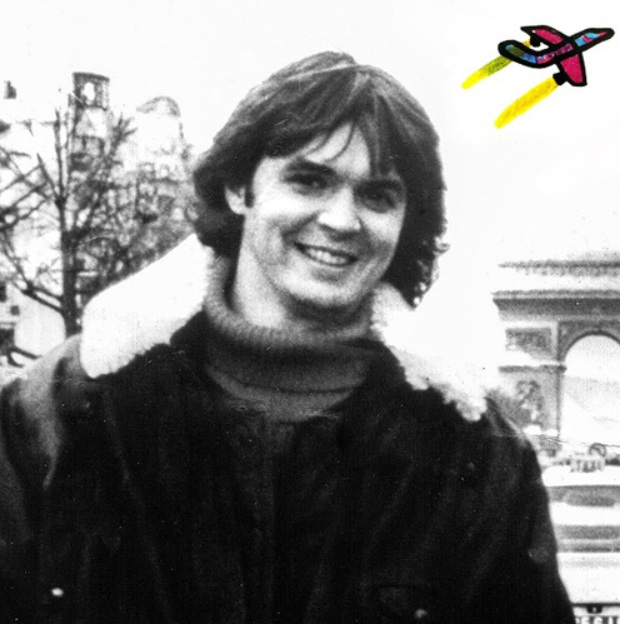
Les années 80 resteront dans les annales. Fastes en matière de créativités musicales, voici un compositeur qui ne fait pas exception à la règle : Frédéric Mercier. Le bougre s’est reconverti dans la photographie mais avant son départ pour d’autres horizons, voici quelques sublimes morceaux extraits de son génialissime répertoire.
Merci à Polydor, Barclay et Carrere pour l’aimable permission.
Synthesizer Music
***** Frédéric Mercier *****
Breathtaking synths.
From adventure diaries to imaginary islands, music in your eyes.
The 1980s will go down in history. A decade of musical creativity, and one composer was no exception: Frédéric Mercier. He has since turned his hand to photography, but before moving on to other horizons, here are a few sublime pieces from his brilliant repertoire.
Many thanks to Polydor, Barclay and Carrere for the kind permission.
Sophie B. Hawkins (née Sophie Ballantine Hawkins le 1er novembre 1964 dans le quartier de Manhattan à New York) est une auteure-compositrice-interprète, musicienne et peintre américaine.
Sophie B. Hawkins est née et a grandi à New York. Après avoir fréquenté la Manhattan School of Music, elle commence sa carrière musicale comme percussionniste. Elle accompagne ainsi brièvement Bryan Ferry, mais comme son jeu ne convient pas au chanteur, elle est virée. Dans la foulée, elle écrit et compose chez elle la chanson « Damn I Wish I Was Your Lover. » Sophie B. Hawkins considère cet épisode comme une étape importante, puisque c’est avec cette chanson qu’elle commence sa carrière de chanteuse.
Note de la rédaction:
Un petit bout de femme libre et indépendante, créatrice, volontaire, un petit bout de femme comme je les aimes et qui qui remonte haut la main la culotte de ce qui a tendance entre guillemets à représenter la gent masculine aujourd’hui.
Si tu me disais « Oui » je ne dirais pas « Non. »
***** Right beside you *****
Sophie B. Hawkins
Sophie B. Hawkins (born Sophie Ballantine Hawkins on November 1, 1964 in the Manhattan borough of New York City) is an American singer-songwriter, musician, and painter.
Sophie B. Hawkins was born and raised in New York City. After attending the Manhattan School of Music, she began her musical career as a percussionist. She briefly accompanied Bryan Ferry, but was fired when her playing did not suit the singer. She then wrote and composed the song « Damn I Wish I Was Your Lover » at home. Sophie B. Hawkins considers this episode to be a milestone, as it was with this song that she began her singing career.
Editor’s note:
A free and independent woman, creative, determined, a woman like I love them, who handles with ease what tends, in quotation marks, to represent the masculine gender today.
Les années fastes de la musique:
En hommage à Denis Lepage.
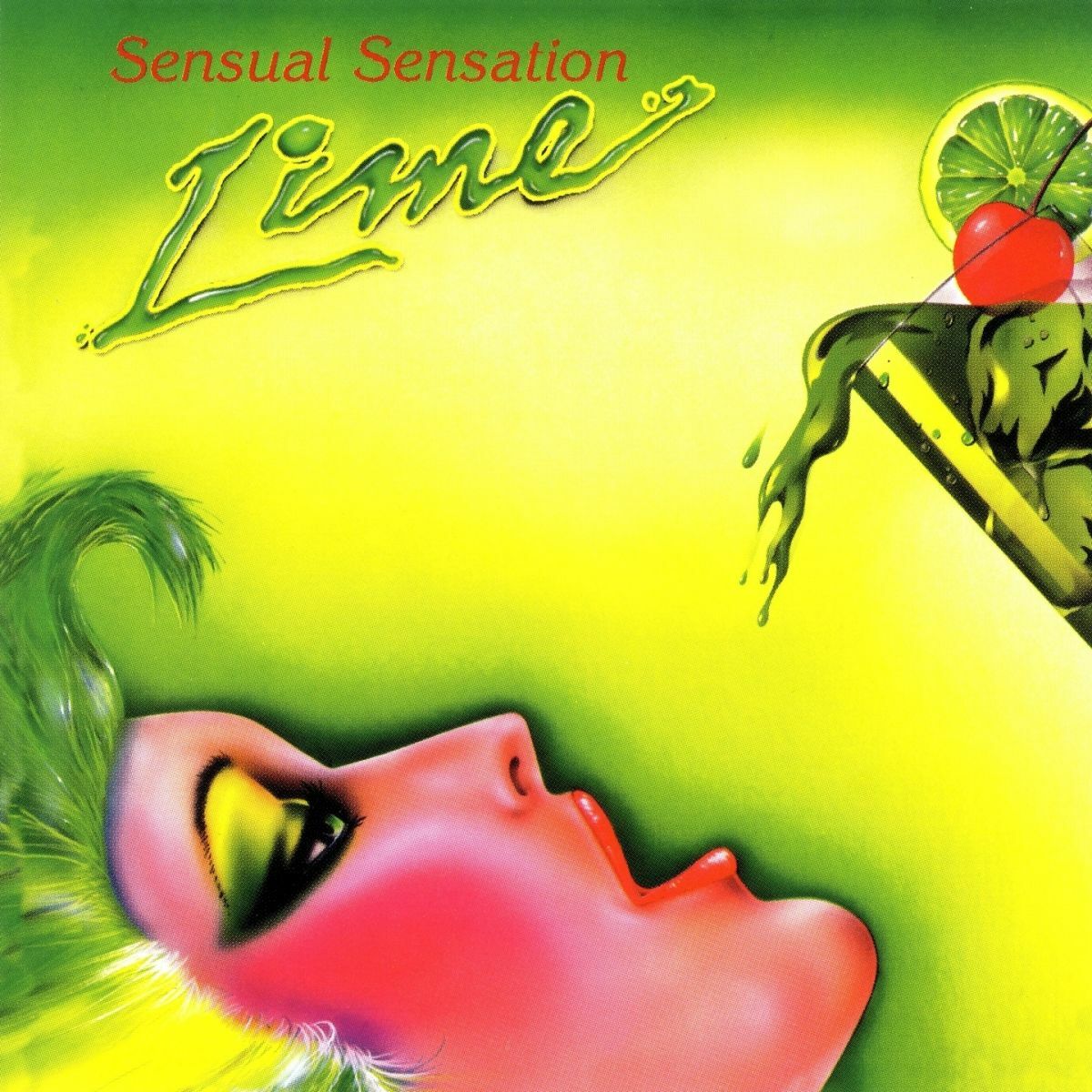
En une décennie et demi, la musique fit un pas de géant en créativité et c’est à partir du début des années 80 que cette créativité se fit le plus ressentir avec notamment l’arrivée du groupe : “Lime”
Quelques notes, une boîte à rythme, un peu d’imagination deux ou trois synthétiseurs, un studio d’enregistrement, une bonne maison d’édition et le tour était joué.
La maison Polydor avait flairé le bon poisson avec ce duo : Denis et Denise Lepage qui incarnaient le groupe : “Lime” car ce furent des millions de disques vendus dans le monde. Ils furent incontournable dans toutes les discothèques branchées des années 80 et aujourd’hui encore, beaucoup d’artistes s’inspirent de leur musique en espérant reproduire le même succès.
Ce groupe, originaire de Montréal au Québec, actif dans les années 1980, a produit des chansons disco (Your love, Unexpected lovers, Babe We’re Gonna Love Tonight, Angel Eyes…). Le son utilisé est de style électronique », créé à partir de boites à rythmes (Roland TR-808) et de synthétiseurs analogiques (Roland TB-303, Roland Jupiter 8, Roland juno 60).
Merci au label Polydor pour son aimable autorisation.
***** Lime *****
« Agent 406 »
The boom years of music:
In tribute to Denis Lepage.
In a decade and a half, the music made a giant leap in creativity and it was from the early 80s that this creativity was felt most with the arrival of the group: « Lime »
A few notes, a rhythm machine, a little imagination two or three synthesizers, a recording studio, a good publishing house and voila.
The Polydor house had smelled good fish with this duo: Denis and Denise Lepage who embodied the group: “Lime” because millions of records were sold around the world. They were a staple in all the trendy nightclubs of the 1980s and even today, many artists draw inspiration from their music hoping to reproduce the same success.
This group, originally from Montreal, Quebec, active in the 1980s, produced disco songs (Your Love, Unexpected Lovers, Babe We’re Gonna Love Tonight, Angel Eyes …). The sound used is electronic style ”, created from drum machines (Roland TR-808) and analog synthesizers (Roland TB-303, Roland Jupiter 8, Roland juno 60).