«Laissez-moi vous dire adieu, tous les hommes doivent mourir, mais il est écrit dans la lumière des étoiles et dans chaque ligne de vos paumes que nous sommes fous de nous faire la guerre.»
When a picture worth 1,000 words.
« Brothers in arms »
« Let me bid you farewell, all men has to die, but it is written in the starlight and in every line on your palm, we’re fool to make war on our brothers in arms. »
La naissance de la chaîne de télévision Suisse RTS
Les pionniers de la lucarne magique
Bien que cette lucarne n’ait plus rien de magique aujourd’hui, je serait même tenté de dire que la magie c’est fait supplanter par le mensonge orchestré, il reste néanmoins intéressant de savoir comment tout a commencé en Suisse.
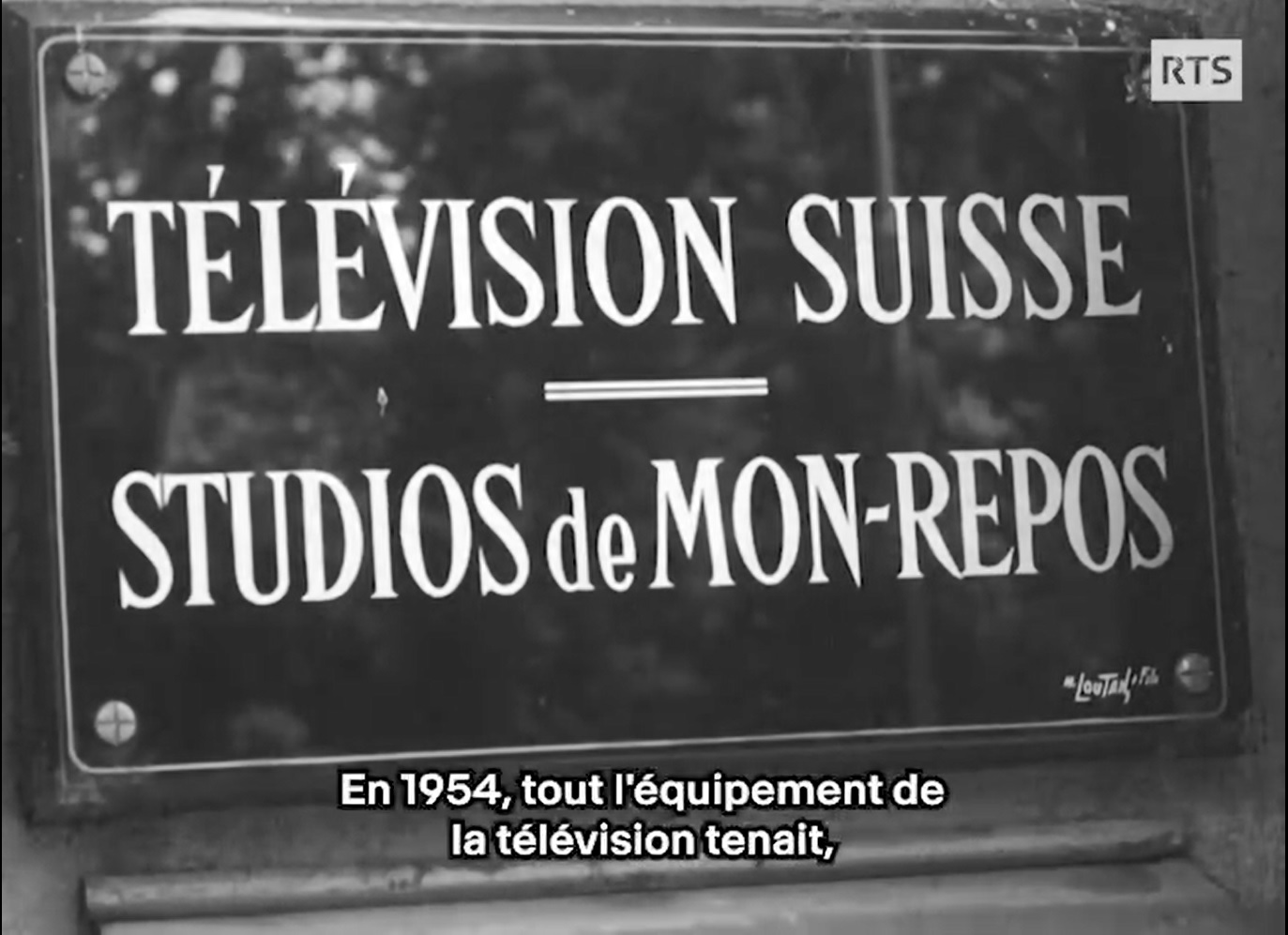
La Télévision Suisse Romande est officiellement lancée le 1er novembre 1954. Et c’est au beau milieu d’un parc public genevois, à la Villa Mon-Repos, que la TV débute ses premières émissions. Le salon de la maison sert alors de studio, la salle à manger de régie et la salle de bain d’atelier.
The birth of the Swiss television channel RTS
The pioneers of the magic skylight
Although this skylight is no longer magical today, I would even be tempted to say that magic has been supplanted by orchestrated lies, it is nevertheless interesting to know how it all began in Switzerland.
Télévision Suisse Romande was officially launched on November 1, 1954. And it was in the middle of a public park in Geneva, at the Villa Mon-Repos, that the TV began its first broadcasts. The living room of the house then served as a studio, the dining room as a control room and the bathroom as a workshop.
Vidéos: Si les signes astrologiques étaient des monstres…
« La cité des morts vivants » (Film complet version française & version originale (EN)
Videos: If astrological signs were monsters…
« City of the Living Dead » (Full Movie French Version & Original Version (EN)
Signes astrologiques: Connaissez-vous le signe du Serpentaire?
Si l’astrologie se basait un peut plus sur l’astronomie nous constaterions que ce ne sont pas 12 mais 13 signes que compte le Zodiaque et par ce fait, tout se trouve chamboulé.
En regardant naïvement votre horoscope chaque matin et pour celles et ceux qui y portent un intérêt afin de prévoir leur journée il faut savoir que les gens nés entre le 30 novembre et le 18 décembre font partie du cercle très fermé du signe du Zodiac le Serpentaire.
Tous les signes se trouvent ainsi décalés dans le sens à rebours. Moi qui suis Gémeau, me voici tout à coup Taureau. Pour celles et ceux qui font confiance aux clichés et aux idées reçues cela doit faire très mal mais c’est pourtant ainsi.
Mais que c’est-t-il donc passé pour que tous nos repères vacillent ainsi ?
Une coupable toute trouvée : la Nasa. L’agence spatiale américaine a révélé, en janvier 2016, de nouveaux calculs de la précession des équinoxes, phénomène bien connu de changement de direction de l’axe de rotation de la Terre au cours du temps. Ainsi, depuis 2.500 ans et l’époque à laquelle les signes astrologiques ont été fixés, les dates du passage du Soleil dans les constellations du zodiaque ont changé.
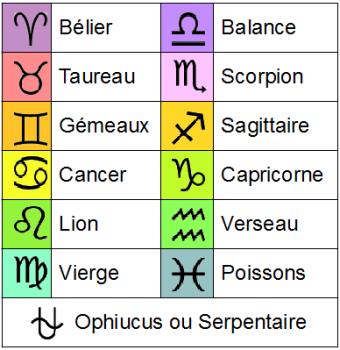
A en croire les calculs de la Nasa, si vous êtes né entre 19 avril et le 14 mai, vous êtes Bélier ; du 15 mai au 21 juin, vous êtes Taureau ; du 22 juin au 20 juillet vous êtes Gémeaux ; du 21 juillet au 10 août vous êtes Cancer ; du 11 août au 16 septembre vous êtes Lion ; du 17 septembre au 31 octobre vous êtes Vierge ; du 1er novembre au 23 novembre vous êtes Balance ; du 24 novembre au 29 novembre vous êtes Scorpion ; du 30 novembre au 18 décembre vous êtes Serpentaire ; du 19 décembre au 20 janvier vous êtes Sagittaire ; du 21 janvier au 16 février vous êtes Capricorne ; du 17 février au 12 mars vous êtes Verseau ; du 13 mars au 18 avril vous êtes Poissons.
Pour autant, la Nasa précise bien que les signes astrologiques n’ont rien à voir avec l’astronomie. Ainsi, si l’on s’en tient à la course du soleil dans le zodiaque, il ne passe, par exemple, qu’une semaine dans le Scorpion. Les astrologues antiques auraient donc décidé d’ignorer Ophiuchus dans le but de garder douze signes équitablement répartis sur le calendrier terrestre. La « révélation » de la Nasa n’a ainsi en réalité que remis en lumière une vieille convention astrologique.
Astrological signs: Do you know the sign of the Serpentarius?
If astrology were based a little more on astronomy, we would see that there are not 12 but 13 signs in the Zodiac and, as a result, everything is turned upside down.
By naively looking at your horoscope each morning and for those who take an interest in it in order to plan their day, you should know that people born between November 30 and December 18 are part of the very closed circle of the Zodiac sign Serpentarius.
All the signs are thus shifted in the opposite direction. I, who am a Gemini, am suddenly a Taurus. For those who trust clichés and preconceived ideas, this must hurt a lot, but that is how it is.
But what happened to make all our bearings waver like this?
A clear culprit: NASA. In January 2016, the American space agency revealed new calculations of the precession of the equinoxes, a well-known phenomenon of changing the direction of the Earth’s axis of rotation over time. Thus, for 2,500 years and the time when the astrological signs were fixed, the dates of the Sun’s passage through the constellations of the zodiac have changed.
According to NASA calculations, if you were born between April 19 and May 14, you are Aries; from May 15 to June 21, you are Taurus; from June 22 to July 20, you are Gemini; from July 21 to August 10, you are Cancer; from August 11 to September 16, you are Leo; from September 17 to October 31, you are Virgo; from November 1 to November 23, you are Libra; from November 24 to November 29, you are Scorpio; from November 30 to December 18, you are Ophiuchus; from December 19 to January 20, you are Sagittarius; from January 21 to February 16, you are Capricorn. From February 17 to March 12 you are Aquarius; from March 13 to April 18 you are Pisces.
However, NASA makes it clear that astrological signs have nothing to do with astronomy. For example, if we stick to the path of the sun in the zodiac, it only spends one week in Scorpio. Ancient astrologers would therefore have decided to ignore Ophiuchus in order to keep twelve signs equally distributed on the Earth’s calendar. NASA’s « revelation » has therefore only brought to light an old astrological convention.
La version instrumentale et vocale de cette chanson en un seul titre sur des images du film.
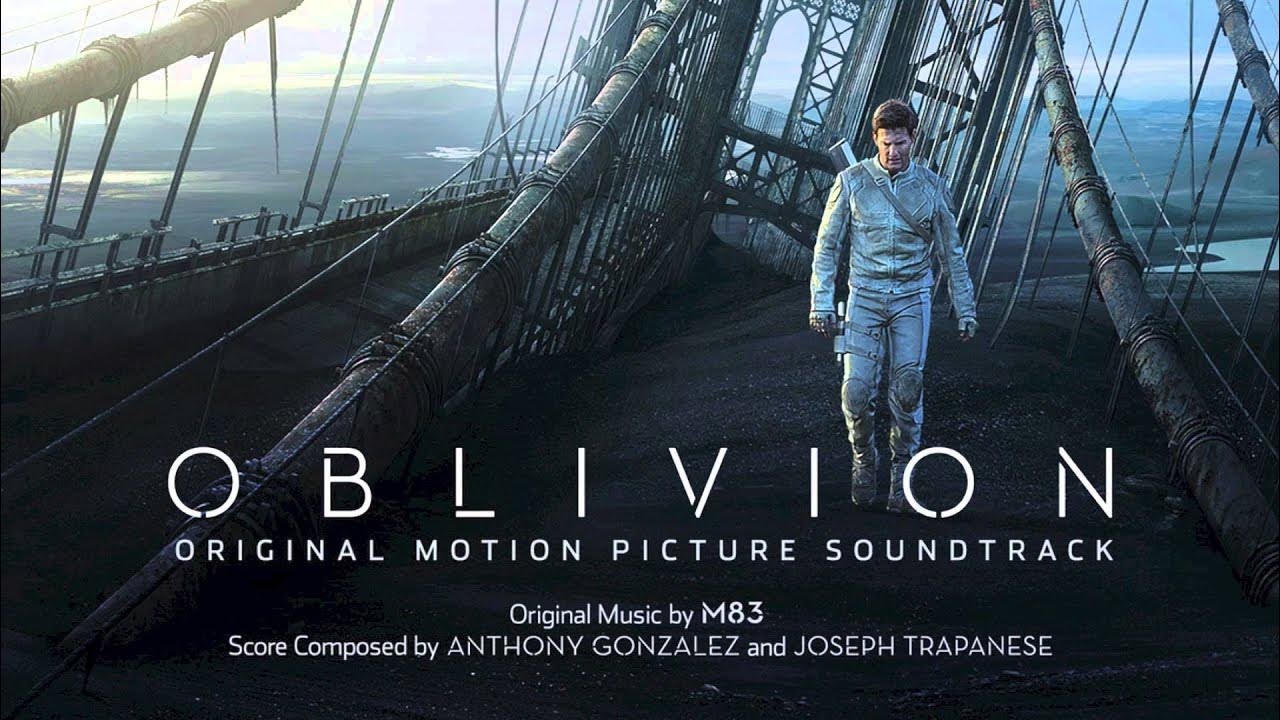
Oblivion, ou L’Oubli au Québec, est un film de science-fiction post-apocalyptique américain écrit, produit et réalisé par Joseph Kosinski, et sorti en 2013. Le scénario est inspiré du comics du même nom.
Synopsis:
2077 : Jack Harper, en station sur la planète Terre dont toute la population a été évacuée, est en charge de la sécurité et de la réparation des drones. Suite à des décennies de guerre contre une force extra-terrestre terrifiante qui a ravagé la Terre, Jack fait partie d’une gigantesque opération d’extraction des dernières ressources nécessaires à la survie des siens. Sa mission touche à sa fin. Dans à peine deux semaines, il rejoindra le reste des survivants dans une colonie spatiale à des milliers de kilomètres de cette planète dévastée qu’il considère néanmoins comme son chez-lui.
Vivant et patrouillant à très haute altitude de ce qu’il reste de la Terre, la vie « céleste » de Jack est bouleversée quand il assiste au crash d’un vaisseau spatial et décide de porter secours à la belle inconnue qu’il renferme. Ressentant pour Jack une attirance et une affinité qui défient toute logique, Julia déclenche par sa présence une suite d’événements qui pousse Jack à remettre en question tout ce qu’il croyait savoir.
Ce qu’il pensait être la réalité vole en éclats quand il est confronté à certains éléments de son passé qui avaient été effacés de sa mémoire. Se découvrant une nouvelle mission, Jack est poussé à une forme d’héroïsme dont il ne se serait jamais cru capable. Le sort de l’humanité est entre les mains d’un homme qui croyait que le seul monde qu’il a connu allait bientôt être perdu à tout jamais.
Merci au label Black Lot Music.
Merci à Universal Pictures.
Oblivion « I’m sending you away »
Anthony Gonzalez, Joseph Trapanese & M83
The instrumental and vocal version of this song in a single title illustrated with images from the film.
Oblivion, is an American post-apocalyptic science fiction film written, produced and directed by Joseph Kosinski, and released in 2013. The screenplay is inspired by the comic book of the same name.
Synopsis:
2077: Jack Harper, stationed on planet Earth from which the entire population has been evacuated, is in charge of the safety and repair of the drones. Following decades of war against a terrifying alien force that has ravaged the Earth, Jack is part of a gigantic operation to extract the last resources necessary for the survival of his people. His mission will be over soon. In just two weeks, he will join the rest of the survivors in a space colony thousands of miles from this devastated planet that he nevertheless calls home.
Living and patrolling at very high altitude what remains of the Earth, Jack’s « celestial » life is turned upside down when he witnesses the crash of a spaceship and decides to rescue the beautiful stranger it contains. Feeling an attraction and affinity for Jack that defies all logic, Julia triggers a series of events through her presence that cause Jack to question everything he thought he knew.
What he thought was reality is shattered when he is confronted with certain elements of his past that had been erased from his memory. Discovering a new mission, Jack is driven to a form of heroism he never thought he was capable of. The fate of mankind lies in the hands of a man who believed that the only world he knew would soon be lost forever.
Dans mes rêves d’enfant je voyais la mort comme une porte ouverte vers une autre vie.
Notre esprit, notre âme utilise notre corps pour son expérience terrestre, ce corps qui nous est si cher est un avatar en lequel s’imprime à l’indélébile nos actions nous guidant sur le chemin de la lumière et de la vérité.
La chrysalide qui est notre condition d’humain emprisonne le papillon qui est notre âme. Elle tient captive nos envies, notre individualisme, notre ego, elle métamorphose l’amour infini en amour possessif et exclusif. Le jour de l’éclosion, la beauté ou la laideur du papillon sera le résultat de toute une vie de compréhension, de pardon, d’altruisme, d’empathie, d’amour ou à l’inverse, de haine, de mépris, de jalousie, de corruption et de mensonges.
Alors notre âme se révèlera et notre véritable voyage commencera. Quelles qu’aient été nos actions ici bas, la justice universelle sera implacable.
Merci à Enya et WEA Records.
The soul and consciousness
To my son, Houssine
In my childhood dreams I saw death as an open door to another life.
Our spirit, our soul uses our body for its earthly experience, this body which is so dear to us is an avatar in which our actions are indelibly imprinted, guiding us on the path of light and truth.
The chrysalis which is our human condition imprisons the butterfly which is our soul. It holds captive our desires, our individualism, our ego, it transforms infinite love into possessive and exclusive love. On the day of hatching, the beauty or ugliness of the butterfly will be the result of a lifetime of understanding, forgiveness, altruism, empathy, love or conversely, hatred, contempt, of jealousy, corruption and lies.
Then our soul will reveal itself and our true journey will begin. Whatever our actions here below, universal justice will be implacable.
Au fil du temps, les années te changent et t’apprennent à voir les choses différemment. Tu n’as plus besoin de te disputer ou de te fâcher, tu apprends à économiser tes mots, à éviter les conversations inutiles et à garder tes conseils pour toi.
Avec le temps, tu comprends que si quelqu’un t’aime, tu restes. Si on t’ignore, tu t’éloignes. Et si quelque chose te tracasse, tu apprends à laisser tomber…
Les années font le tri, et au final, il reste moins de monde autour de toi, mais ceux qui restent sont les meilleurs, et tu les apprécies encore plus.
Le temps t’enseigne que parfois tu craques, mais tu te relèves. Parfois, tu gagnes, et d’autres fois, tu apprends. Parfois, tu t’attaches, et parfois, tu te détaches…
Le temps m’a tout appris, et pour ça, je lui dis merci.
As time goes by, the years change you and teach you to see things differently. You no longer need to argue or get angry, you learn to save your words, avoid unnecessary conversations and keep your advice to yourself.
Over time, you realize that if someone loves you, you stay. If they ignore you, you walk away. And if something bothers you, you learn to let it go…
The years sort things out, and eventually there are fewer people left around you, but those who remain are the best, and you appreciate them even more.
Time teaches you that sometimes you break, but you get back up. Sometimes you win, and other times you learn. Sometimes you get attached, and sometimes you get detached…
Time has taught me everything, and for that, I thank it.
Vivier presque inépuisable dans la création musicale, les années 80 ne sont malheureusement plus qu’un lointain souvenir. Ce titre qui nous replonge dans une époque prospère et insouciante a en fait été composé et produit en 2018.
***** Simon Bichbihler *****
« In the 1980s. »
An almost inexhaustible source of musical creation, the 80s are unfortunately only a distant memory. This title which takes us back to a prosperous and carefree time was actually composed and produced in 2018.
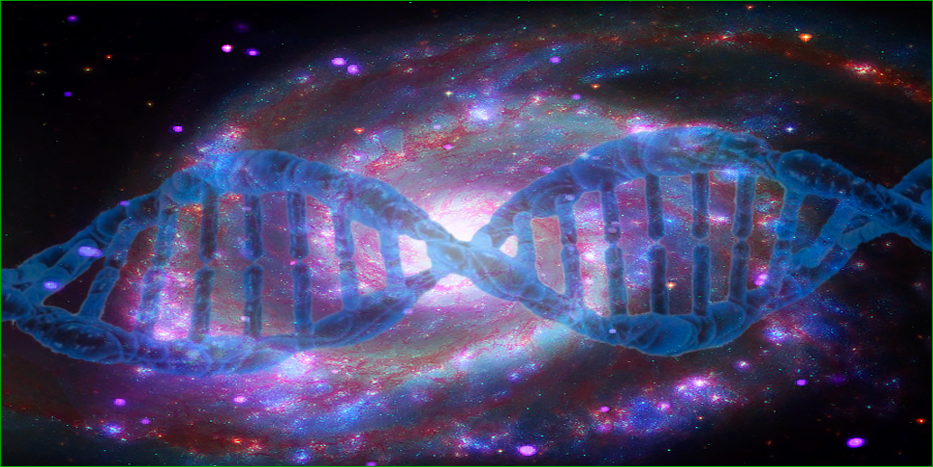
S’il est dit que toutes nos actions qu’elles soient bonnes ou mauvaises sont inscrites dans notre ADN, ce n’est pas par hasard.
Notre âme utilise notre corps physique comme avatar afin de vivre son expérience terrestre. Selon des chercheurs en physique quantique, notre âme serait étroitement liée à notre ADN. Des centaines d’expériences démontrent qu’à partir du moment du décès, le corps physique perd 18 grammes. Notre âme pèserait donc 18 grammes.
Notre âme est donc étroitement liée à notre ADN et tout le monde le sait, l’ADN est comme nos empruntes digitales à savoir: unique.
Selon ces mêmes chercheurs, la thérapie génique, les vaccins utilisant la technologie ARNm affecte significativement notre ADN ce qui pourrait avoir un impact important sur notre âme.
Dans ce monde, des âmes dites « noire » (Ying et Yang) se sont incarnées dans des structures sociales leur donnant d’énormes pouvoirs. Elles utilisent ce pouvoir afin d’asservir l’humanité toute entière.
L’affaire des vaccins ARN messager n’est pas qu’une affaire de gros sous. Elle atteindra une dimension spirituelle selon certains et biblique pour les autres.
Le film présenté dans cet article, « La fin des temps » de Samuel Stemmer tente de nous le démontrer.
If it is said that all our actions, whether good or bad, are written in our DNA, it is not by chance.
Our soul uses our physical body as an avatar in order to live its earthly experience. According to researchers in quantum physics, our soul would be closely linked to our DNA. Hundreds of experiments demonstrate that from the moment of death, the physical body loses 18 grams. Our soul would therefore weigh 18 grams.
So our soul is closely linked to our DNA and everyone knows that DNA is like our fingerprints, i.e: unique.
According to these same researchers, gene therapy, vaccines using mRNA technology significantly affect our DNA which could have a significant impact on our soul.
In this world, so-called « black » souls (Ying and Yang) have incarnated in social structures giving them enormous powers. They use this power in order to enslave all of humanity.
The messenger RNA vaccine business is not just a big money business. It will reach a spiritual dimension according to some and biblical for others.
The film presented in this article, « The End of Time » by Samuel Stemmer, attempts to demonstrate this to us.