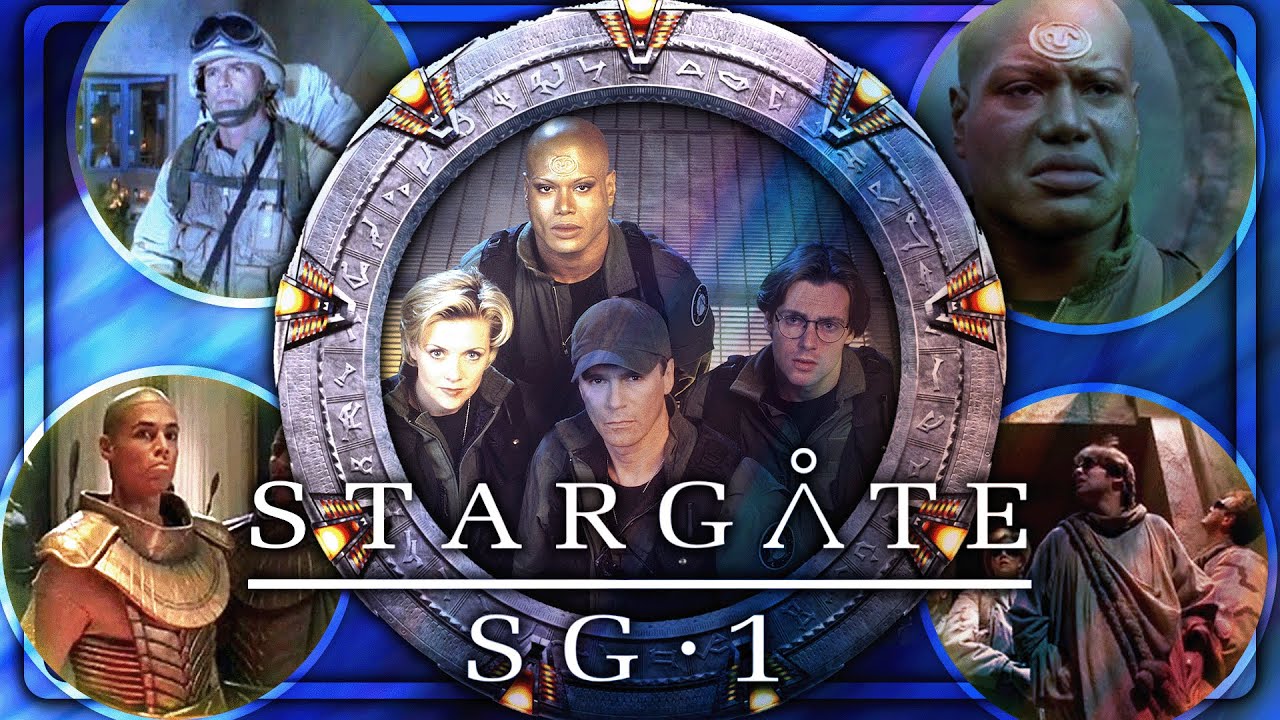
Stargate SG-1 est une série télévisée américano-canadienne de science-fiction militaire composée de 10 saisons, soit 214 épisodes de 42 minutes. Elle est créée par Brad Wright et Jonathan Glassner d’après le film Stargate, la porte des étoiles de Roland Emmerich. Elle est diffusée entre le et sur Showtime, puis entre le et le sur Sci Fi Channel.
L’action de Stargate SG-1 commence un peu plus d’un an après celle du film Stargate, la porte des étoiles. Le programme est plus ou moins à l’abandon et le colonel O’Neill est à la retraite. Mais un commando extraterrestre avec des uniformes similaires à ceux des soldats de Râ traverse la porte des étoiles et envahit la base du Stargate Command (SGC) sur Terre.
Le général Hammond veut alors envoyer une autre bombe atomique sur Abydos. O’Neill se voit alors obligé d’avouer qu’il a menti dans son rapport de mission l’année dernière et qu’il a fait exploser la précédente bombe nucléaire dans le vaisseau de Râ et non à la surface, et du même coup que Daniel Jackson est toujours vivant et qu’il garde la porte sur Abydos. Après un échange de messages, O’Neill part sur la planète et se voit confirmer par Daniel qu’aucun Goa’uld n’a traversé la porte. Ce dernier explique alors qu’il existe un réseau de plus d’une centaine de portes menant à autant de mondes différents, et que sur Abydos il a trouvé toute une série de coordonnées qui ne semblent plus fonctionner…
Dans cet article:
Episode pilote ainsi que le film « Stargate » Version française.
***** Stargate SG1 *****
Stargate SG-1 si jekh Amerikano-Kanadako militarno science fiction serija savi si kerdini kotar 10 sezone, ja se 214 42-minutenge epizode. Si kerdo kotar o Brad Wright thaj o Jonathan Glassner bazirime ko filmo Stargate, o vudar e čerxenge kotar o Roland Emmerich. Vov sas sikado maškar o 27 Juli 1997 thaj o 17 Maj 2002 pe Showtime, palal kodoja maškar o 7 Juni 2002 thaj o 13 Marto 2007 pe Sci Fi Channel.
I akcia kotar o Stargate SG-1 astarda pes tikno kotar jekh bersh palo odova kotar o filmo Stargate: Stargate. O programo si maj but ja maj tikno mukhlo thaj o Colonel O’Neill si penzionirimo. Numa jekh avrutno komando e uniformenca sar e Ra-esqe śerutne nakhela o Stargate thaj invadisarel i Stargate Command (SGC) baza ki Phuv.
O generalo Hammond atunči kamel te bičhalel aver atomikani bomba pe Abydos. O O’Neill si atunči forsirime te priznail kaj vov xoxadas ande pesko misijako raporto ko nakhlo berś thaj kaj vov phabardas e angluni nuklearno bomba ko Ra-esko bero thaj na pe phuv, thaj ko jekh vakti kaj o Daniel Jackson si inke źivdo thaj garavel o vudar te Abydos. Palal jekh paruvipen e mesaʒenqo, o O’Neill źal k-i planeta thaj si konfirmisardo kaθar o Daniel ke khonik Goa’uld na nakhlo anθar o vudar. O paluno atunči phenel kaj isi jekh netvorko maj but katar šel vudara save džan ko but diferentno lumia, thaj kaj ko Abydos vov arakhlja jekh sasti serija koordinate save so na dikhen pes te keren buti…
Ano akava artiklo:
Pilot epizoda sar vi o filmo “Stargate” francuzikani verzia.
***** Stargate SG1 *****
Stargate SG-1 is an American-Canadian military science fiction television series consisting of 10 seasons, or 214 episodes of 42 minutes. It was created by Brad Wright and Jonathan Glassner based on the film Stargate by Roland Emmerich. It aired between July 27, 1997 and May 17, 2002 on Showtime, then between June 7, 2002 and March 13, 2007 on the Sci Fi Channel.
Stargate SG-1 begins a little over a year after the film Stargate. The program is more or less abandoned and Colonel O’Neill is retired. But an alien commando with uniforms similar to those of Ra’s soldiers comes through the Stargate and invades the Stargate Command (SGC) base on Earth.
General Hammond then wants to send another atomic bomb to Abydos. O’Neill is then forced to confess that he lied in his mission report last year and that he detonated the previous nuclear bomb in Ra’s ship and not on the surface, and at the same time that Daniel Jackson is still alive and guarding the gate on Abydos. After an exchange of messages, O’Neill leaves for the planet and is confirmed by Daniel that no Goa’uld has passed through the gate. The latter then explains that there is a network of over a hundred gates leading to as many different worlds, and that on Abydos he found a whole series of coordinates that no longer seem to work…
In this article:
Pilot episode as well as the movie « Stargate » French version.
Film complet, version Française et version originale.
Film complet, versiune franceză și versiune originală.
Full movie, French version and original version.
***** Alien Romulus *****
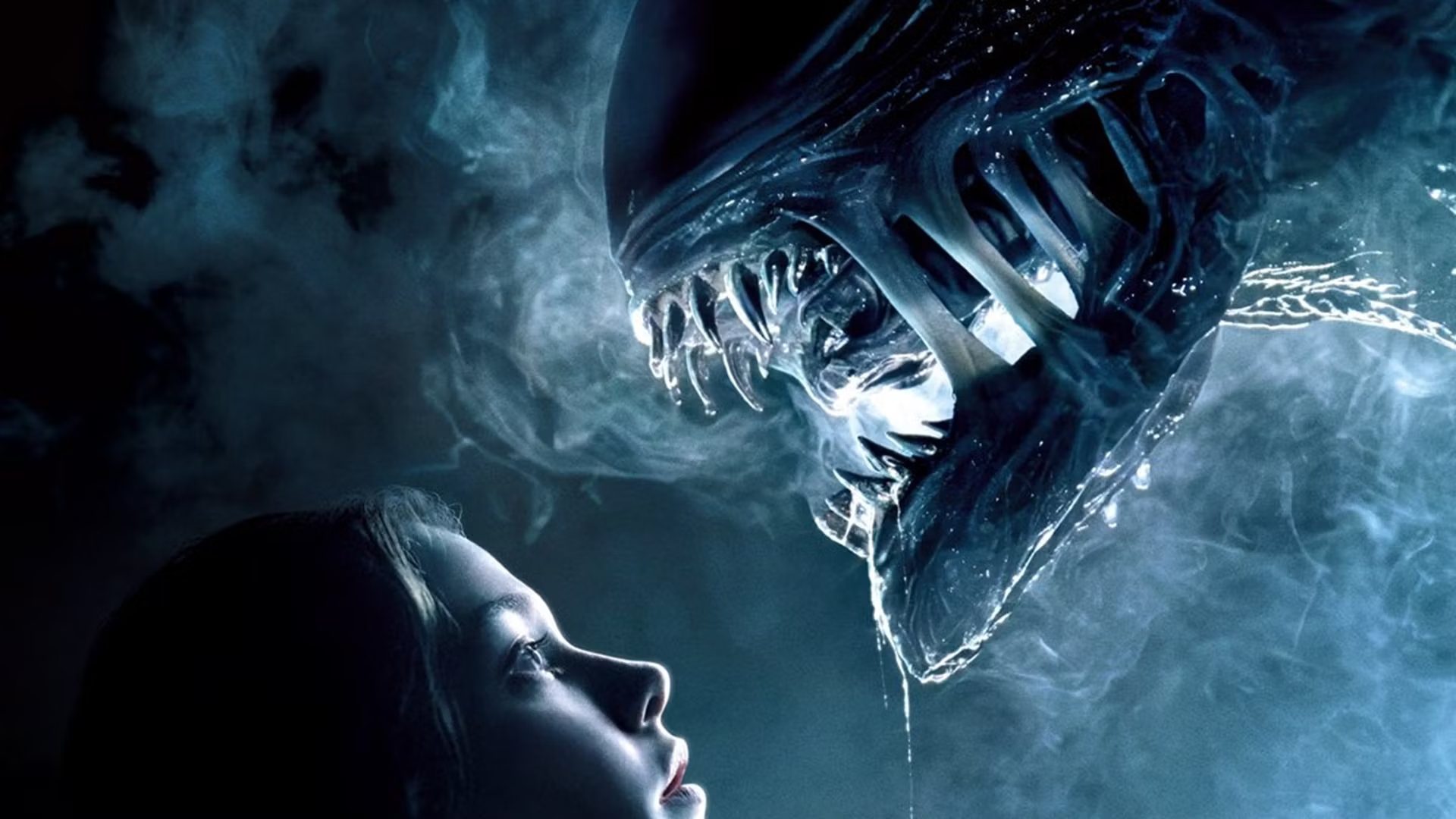
Alien: Romulus est un film de science-fiction horrifique américano-britannique écrit et réalisé par Fede Álvarez et sorti en 2024. Il s’agit du septième film de la franchise Alien et du premier film de la saga depuis le rachat de la Fox par Disney.
Synopsis:
Quelques années après les événements sur le vaisseau Nostromo, un groupe de jeunes colons de l’espace travaillent en tant que mineurs dans l’espoir de rejoindre une autre planète verdoyante, Yvaga. Un des membres propose d’utiliser une station spatiale abandonnée en orbite autour de leur planète actuelle afin de se rendre sur Yvaga. Cependant, ils se retrouvent face-à-face avec la forme de vie la plus terrifiante de l’univers alors qu’ils fouillent les profondeurs de cette station.
***** Alien Romulus *****
Alien: Romuluseste un film horror științifico-fantastic britanic-american, scris și regizat de Fede Álvarez și lansat în 2024. Este al șaptelea film din franciza Alien și primul film din saga de la preluarea Fox de către Disney.
Rezumat:
La câțiva ani după evenimentele de pe nava Nostromo, un grup de tineri coloniști spațiali lucrează ca mineri în speranța de a ajunge pe o altă planetă verde, Yvaga. Unul dintre membri sugerează să folosească o stație spațială abandonată care orbitează actuala lor planetă pentru a călători la Yvaga. Cu toate acestea, ei se întâlnesc față în față cu cea mai terifiantă formă de viață din univers în timp ce se adâncesc în adâncurile acestei stații.
***** Alien Romulus *****
Alien: Romulus is a 2024 American-British science fiction horror film written and directed by Fede Álvarez. It is the seventh film in the Alien franchise and the first film in the series since Disney’s acquisition of Fox.
Synopsis:
A few years after the events on the Nostromo, a group of young space colonists work as miners in hopes of reaching another verdant planet, Yvaga. One of the members proposes to use an abandoned space station orbiting their current planet to travel to Yvaga. However, they come face-to-face with the most terrifying life form in the universe as they search the depths of the station.
Film complet version Française et version Originale (JAPON) sous-titrée en Anglais.
Film complet versiunea franceza si versiunea originala (JAPONIA) subtitrat in engleza.
Full movie French version and Original version (JAPAN) subtitled in English.
« Le voyage de Chihiro »
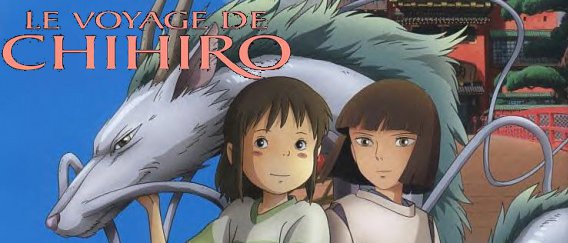
Le Voyage de Chihiro (千と千尋の神隠し, Sen to Chihiro no kamikakushi?, littéralement « Kamikakushi de Sen et Chihiro ») est un film d’animation japonais écrit et réalisé par Hayao Miyazaki et produit par le studio Ghibli, sorti en 2001.
Le film raconte l’histoire de Chihiro, une fillette de dix ans qui, alors qu’elle se rend en famille vers sa nouvelle maison, entre dans le monde des esprits. Après la transformation de ses parents en porcs par la sorcière Yubaba, Chihiro prend un emploi dans l’établissement de bains de la sorcière pour retrouver ses parents et regagner le monde des humains.
Miyazaki écrit le scénario en s’inspirant de la fille de son producteur associé, Seiji Okuda, qui vient lui rendre visite chaque été. Il y développe plusieurs thèmes qui lui sont chers, dont l’intégration par le travail collectif, le voyage initiatique, le renouement avec les valeurs ancestrales (notamment le shinto) et le danger de la société moderne pour la nature et les traditions. La production de Chihiro débute en 2000 avec un budget de 19 millions de dollars. La composition de la bande originale du film est confiée à Joe Hisaishi.
Le Voyage de Chihiro fut jusqu’en 2020 le plus grand succès de l’histoire du cinéma japonais, avec 23 millions de spectateurs au Japon et 274 millions de dollars de recettes dans le monde. Acclamé par la critique internationale, le film est considéré comme l’un des meilleurs des années 2000. Il remporte plusieurs récompenses, dont l’Oscar du meilleur film d’animation et l’Ours d’or du meilleur film de 2002.
« voiaj de Chihiro »
Spirited Away (千と千尋の神隠し, Sen to Chihiro no kamikakushi?, literalmente „Kamikakushi of Sen and Spirited Away”) este un film anime japonez scris și regizat de Hayao Miyazaki și produs de Studio Ghibli, lansat în 2001.
Filmul spune povestea lui Chihiro, o fetiță de zece ani care, în timp ce călătorește cu familia în noua ei casă, intră în lumea spiritelor. După ce părinții ei sunt transformați în porci de către vrăjitoarea Yubaba, Chihiro își ia o slujbă la baia vrăjitoarei pentru a-și găsi părinții și a se întoarce în lumea umană.
Miyazaki scrie scenariul pe baza fiicei producătorului său asociat, Seiji Okuda, care vine să-l viziteze în fiecare vară. El dezvoltă mai multe teme care îi sunt dragi, inclusiv integrarea prin munca colectivă, călătoria inițiatică, reconectarea cu valorile ancestrale (în special Shinto) și pericolul societății moderne pentru natură și tradiții. Producția de la „Direcția Spiritului” a început în 2000, cu un buget de 19 milioane de dolari. Compoziția coloanei sonore a filmului a fost încredințată lui Joe Hisaishi.
Spirited Away a fost cel mai mare succes din istoria cinematografiei japoneze până în 2020, cu 23 de milioane de spectatori în Japonia și 274 de milioane de dolari în box office la nivel mondial. Aclamat de criticii internaționali, filmul este considerat unul dintre cele mai bune ale anilor 2000. A câștigat mai multe premii, printre care Oscarul pentru cel mai bun film de animație și Ursul de Aur pentru cel mai bun film din 2002.
« The journey of » Chihiro »
Spirited Away (千と千尋の神隠し, Sen to Chihiro no kamikakushi?, literally « Kamikakushi of Sen and Spirited Away ») is a Japanese anime film written and directed by Hayao Miyazaki and produced by Studio Ghibli, released in 2001 .
The film tells the story of Chihiro, a ten-year-old girl who, as she travels with her family to her new home, enters the spirit world. After her parents are turned into pigs by the witch Yubaba, Chihiro takes a job at the witch’s bathhouse to find her parents and return to the human world.
Miyazaki writes the screenplay based on his associate producer’s daughter, Seiji Okuda, who comes to visit him every summer. He develops several themes that are dear to him, including integration through collective work, the initiatory journey, the reconnection with ancestral values (notably Shinto) and the danger of modern society for nature and traditions. Production on Spirited Away began in 2000 with a budget of $19 million. The composition of the film’s soundtrack was entrusted to Joe Hisaishi.
Spirited Away was the biggest hit in Japanese film history until 2020, with 23 million viewers in Japan and $274 million in box office worldwide. Acclaimed by international critics, the film is considered one of the best of the 2000s. It won several awards, including the Oscar for best animated film and the Golden Bear for best film of 2002.
Army of Lovers est un groupe suédois fondé en 1987. La formation au style exubérant avec des costumes créés par Camilla Thulin, est principalement connue pour son titre Crucified en 1991. Certains des clips du groupe furent bannis de MTV et leurs chansons furent à l’origine de controverses relatives aux thèmes religieux et sexuels abordés. Le nom d’Army of Lovers est une référence à un documentaire réalisé par Rosa von Praunheim inspiré du bataillon sacré.
Merci à Universal Music Group.
Crucificatul secolului XXI
Pentru că o imagine valorează 1000 de cuvinte!
Army of lovers: « Crucified »
Army of Lovers este un grup suedez format în 1987. Grupul, cu un stil exuberant cu costume concepute de Camilla Thulin, este cel mai bine cunoscut pentru titlul Crucified în 1991. Unele dintre videoclipurile muzicale ale grupului au fost interzise de pe MTV, iar melodiile au fost surse controversate în jurul temelor religioase și sexuale abordate. Numele Army of Lovers se referă la un documentar regizat de Rosa von Praunheim inspirat din Batalionul Sacru.
Mulțumiri Universal Music Group.
The Crucified of the 21st Century
Because a picture is worth 1000 words!
Army of lovers: « Crucified »
Army of Lovers is a Swedish band founded in 1987. The band, with their exuberant style and costumes designed by Camilla Thulin, are best known for their 1991 hit « Crucified ». Some of the band’s music videos were banned from MTV and their songs were controversial due to their religious and sexual themes. The name Army of Lovers is a reference to a documentary directed by Rosa von Praunheim based on the Holy Battalion.
Des histoires de fuites d’air quelques scènes hilarantes de ces deux films cultes.
Le Cerveau (The Brain) de Gérard Oury (1969)
C’est pas moi, c’est lui de Pierre Richard (1980)
Film complet: « Le cerveau » Version originale (FR)
Film complet: « C’est pas moi, c’est lui » Version originale (FR)
Synopsis:
De Paris à Bruxelles, un train spécial transporte les fonds secrets des nations de l’O.T.A.N. Des deux côtés de la Manche, deux individus cherchent à s’en emparer. Côté français, Arthur, un truand débrouillard, assisté de son copain Anatole. Côté britannique, Le Cerveau, brillant escroc disposant d’une équipe de spécialistes et de moyens considérables. Cependant, les deux équipes programment leur hold-up le même jour, à la même heure.
Culture & Cinema
« The brain »
Povești despre scurgeri de aer, câteva scene hilare din aceste două filme de cult.
Le Cerveau (The Brain) de Gérard Oury (1969)
Nu sunt eu, este altul de Pierre Richard (1980)
Film complet: „The Brain” Versiunea originală (FR)
Film complet: „Nu sunt eu, sunt el” Versiune originală (FR)
Rezumat:
De la Paris la Bruxelles, un tren special transportă fondurile secrete ale națiunilor NATO. Pe ambele maluri ale Canalului, doi indivizi caută să-l pună mâna pe ea. Pe partea franceză, Arthur, un gangster plin de resurse, asistat de prietenul său Anatole. Pe partea britanică, Le Cerveau, un escroc strălucit cu o echipă de specialiști și mijloace considerabile. Cu toate acestea, ambele echipe își programează furtul în aceeași zi, la aceeași oră.
Culture & Cinema
« The brain »
Stories of air leaks, some hilarious scenes from these two cult films.
Le Cerveau (The Brain) de Gérard Oury (1969)
C’est pas moi, c’est lui de Pierre Richard (1980)
Full Movie: « The Brain » Original Version (FR)
Full Movie: « It’s Not Me, It’s Him » Original Version (FR)
Synopsis:
From Paris to Brussels, a special train transports the secret funds of NATO countries. On both sides of the Channel, two individuals seek to seize it. On the French side, Arthur, a resourceful gangster, assisted by his friend Anatole. On the British side, Le Cerveau, a brilliant crook with a team of specialists and considerable resources. However, both teams plan their robbery on the same day and at the same time.
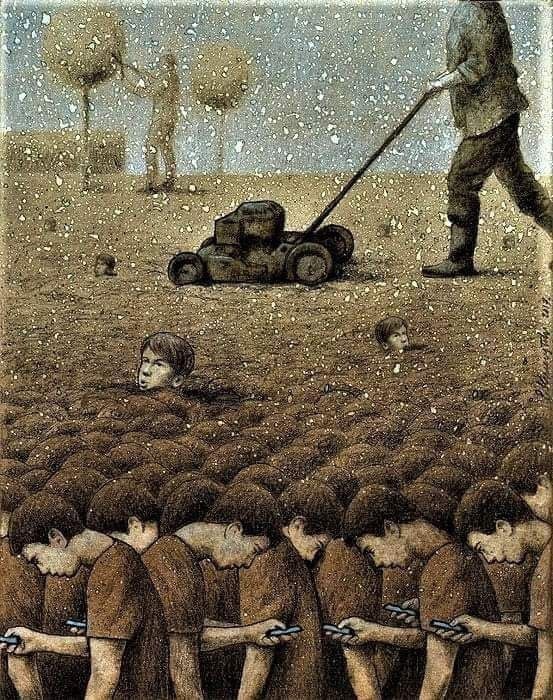
« Le jardin parfait » de l’artiste polonais Pawel Kuczynski.
Paweł Kuczyński, né le à Szczecin, est un artiste graphique polonais. Il est diplômé de l’Académie des beaux-arts de Poznań dans la spécialité de graphisme et a gagné de nombreux prix pour la paix.
Ses œuvres sont connues pour critiquer le système sociétal moderne. À l’aide de compositions surréalistes et satiriques il met en exergue certains paradoxes et dysfonctionnements de la globalisation, la politique, l’économie et bien d’autres aspects de la société.
„Grădina perfectă”
„Grădina perfectă” de artistul polonez Pawel Kuczynski.
Paweł Kuczyński, născut la 12 august 1976 la Szczecin, este un grafician polonez. A absolvit Academia de Arte Frumoase din Poznań în specialitatea design grafic și a câștigat numeroase premii pentru pace.
Lucrările sale sunt cunoscute pentru criticarea sistemului societal modern. Folosind compoziții suprareale și satirice, el subliniază anumite paradoxuri și disfuncții ale globalizării, politicii, economiei și multe alte aspecte ale societății.
« The perfect garden »
« The Perfect Garden » by Polish artist Pawel Kuczynski.
Paweł Kuczyński, (born 12 August 1976 in Szczecin) is a Polish graphic artist. He graduated from the Academy of Fine Arts in Poznań with a degree in graphic design and has won numerous peace prizes.
His works are known for criticizing the modern societal system. With the help of surreal and satirical compositions he highlights certain paradoxes and dysfunctions of globalization, politics, economics and many other aspects of society.
Film complet version originale (EN) et version française.
Film complet versiunea originală (EN) și versiunea franceză.
Full movie original version (EN) and French version.
***** Little Buddha *****
« Un peu de chaleur humaine dans ce monde qui part à la dérive. »
Bon week-end à tous!
Synopsis:
Jesse Conrad, neuf ans, vit à Seattle avec un père ingénieur, Dean, et une mère enseignante, Lisa. Un jour, ils reçoivent la visite surprise d’une délégation de moines bouddhistes venue du royaume himalayen du Bhoutan sous la conduite du lama Norbu et de son adjoint Champa. Les moines sont persuadés que Jesse pourrait être la réincarnation d’un de leurs plus éminents chefs spirituels. Ils lui offrent alors un livre narrant la vie de Siddhartha et attendent sa visite dans l’Himalaya.
Film complet, version originale sous-titrée en Espagnol et film complet version Française.
Many thanks to Virgin Records and Michael Cretu.
***** Little Buddha *****
„Puțină căldură umană în această lume nebună.”
Un weekend placut tuturor!
Rezumat:
Jesse Conrad, în vârstă de nouă ani, locuiește în Seattle cu un tată inginer, Dean, și o mamă profesoară, Lisa. Într-o zi, ei primesc o vizită surpriză a unei delegații de călugări budiști din regatul himalayan al Bhutanului condusă de Lama Norbu și adjunctul său Champa. Călugării sunt convinși că Jesse ar putea fi reîncarnarea unuia dintre cei mai eminenti lideri spirituali ai lor. Apoi îi oferă o carte care povestește viața lui Siddhartha și așteaptă vizita lui în Himalaya.
Film complet, versiune originală cu subtitrare în spaniolă și versiune completă în franceză.
Many thanks to Virgin Records and Michael Cretu.
***** Little Buddha *****
“A little human warmth in this crazy world.”
Synopsis:
Nine-year-old Jesse Conrad lives in Seattle with an engineer father, Dean, and a teacher mother, Lisa. One day, they receive a surprise visit from a delegation of Buddhist monks from the Himalayan kingdom of Bhutan led by Lama Norbu and his deputy Champa. The monks are convinced that Jesse could be the reincarnation of one of their most eminent spiritual leaders. They then give him a book narrating the life of Siddhartha and await his visit to the Himalayas.
Full movie, original version subtitled in Spanish and full movie French version.
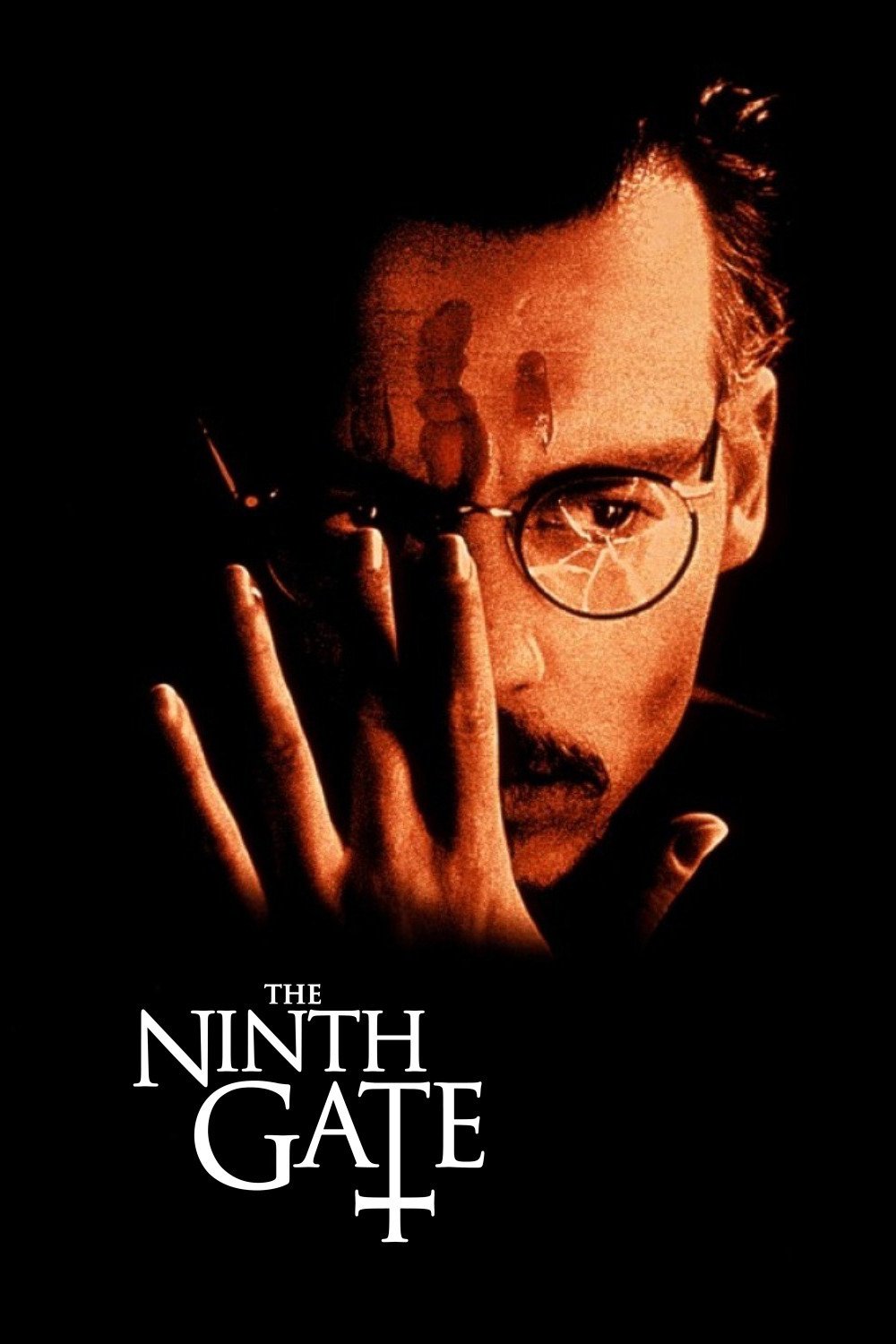
Dean Corso (Johnny Depp), un libraire de livres rares de la ville de New York, gagne sa vie en obligeant des gens à lui vendre des livres antiques de valeur à bas prix, puis en les revendant à des collectionneurs privés. Corso rencontre le riche collectionneur de livres Boris Balkan (Frank Langella), qui a récemment acquis l’un des trois exemplaires existants des Neuf portes du royaume des ombres d’Aristide Torchia, auteur du xviie siècle. L’auteur a adapté le livre à partir d’un livre prétendument écrit par le diable lui-même et a été brûlé pour hérésie. L’ouvrage contient des méthodes permettant d’invoquer le diable et d’acquérir invincibilité et immortalité. Balkan pense que deux des trois exemplaires sont des faux. Il engage Corso pour vérifier les trois et acquérir le vrai par tous les moyens nécessaires.
„A IX-a Poartă”
Și dacă am vorbi despre Satana?
O ficțiune care reflectă realitatea
Dean Corso (Johnny Depp), un comerciant de cărți rare din New York, își câștigă existența făcându-i pe oameni să-i vândă cărți vechi valoroase la prețuri mici, apoi le revinde colecționarilor privați. Corso îl întâlnește pe bogatul colecționar de cărți Boris Balkan (Frank Langella), care a achiziționat recent una dintre cele trei exemplare existente din Nine Gates to the Kingdom of Shadows a autorului Aristide Torchia din secolul al XVII-lea. Autorul a adaptat cartea dintr-o carte scrisă de însuși diavolul și a fost ars pentru erezie. Cartea conține metode de invocare a diavolului și de a obține invincibilitatea și nemurirea. Balkan crede că două din cele trei lucrări sunt false. Îl angajează pe Corso să le verifice pe toate trei și să-l achiziționeze pe cel real prin orice mijloace necesare.
« The Ninth Gate »
And if we were talking about Satan?
A fiction that reflects reality.
Dean Corso (Johnny Depp), a New York City rare bookseller, makes a living by getting people to sell him valuable antique books at low prices, then reselling them to private collectors. Corso meets wealthy book collector Boris Balkan (Frank Langella), who recently acquired one of three extant copies of Seventeenth-Century author Aristide Torchia’s Nine Gates to the Realm of Shadows. The author adapted the book from a book supposedly written by the devil himself and was burned for heresy. The book contains methods for invoking the devil and gaining invincibility and immortality. Balkan thinks that two of the three copies are fakes. He hires Corso to verify all three and acquire the real one by any means necessary.
« Si ton âme est à vendre, je serai ton dévoué serviteur jusqu’à l’heure de ta mort. »
L’origine du mythe de Faust:
Faust n’est pas qu’un personnage de fiction. Le Docteur Johann Georg Faust (1480 – 1540) inspira plus tard Marlowe et Goethe. Cet alchimiste et astrologue allemand de la Renaissance, fin connaisseur de la mythologie grecque, pratiquait la magie noire. On sait peu de chose de son vivant, si ce n’est qu’il aurait appris la magie surnaturelle à Cracovie, qu’il enseigna par la suite et qu’il mourut après une expérience alchimique ratée, ou peut-être arrêté, pour sorcellerie, et conduit au bûcher.
Le Faust de Goethe (1808)
Enfin, Faust est aussi et surtout le chef-d’œuvre du romantique Goethe (1749 – 1832). Son livre a propulsé le conte de Faust au rang de mythe universel. Dans ce roman en deux parties, Faust est un alchimiste qui rêve depuis son enfance de percer les grandes questions existentielles et le mystère de l’existence. Il travaille dur, mais n’y parvient pas. Désespéré d’avoir ainsi gâché ses plus belles années en vaine recherche métaphysique, il envisage le suicide.
Il a recours à Méphistophélès (le diable), qui lui propose un pacte…
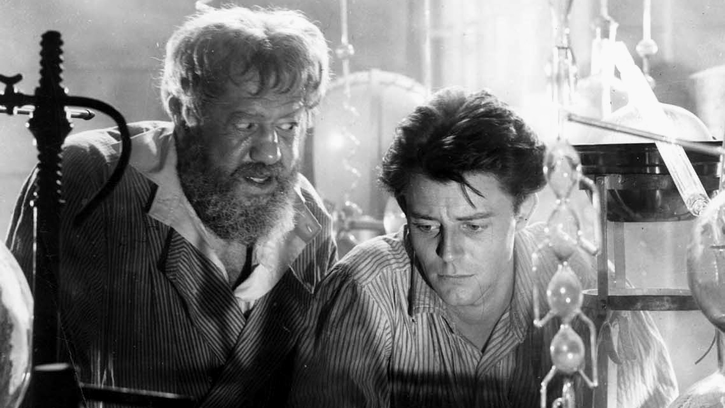
Un film de René Clair sorti dans les salles en 1950, avec dans les rôles principaux: Michel Simon (Méphistophélès) et Gérard Philippe (Faust).
Vidéo: Film complet version française.
***** Frumusețea diavolului *****
„Dacă sufletul tău este de vânzare, eu voi fi slujitorul tău devotat până în ceasul morții tale.”
Originea mitului lui Faust:
Faust nu este doar un personaj fictiv. Doctorul Johann Georg Faust (1480 – 1540) i-a inspirat ulterior pe Marlowe și Goethe. Acest alchimist și astrolog german renascentist, un bun cunoscător al mitologiei grecești, a practicat magia neagră. Se știu puține despre viața sa, cu excepția faptului că a învățat magia supranaturală la Cracovia, ulterior a predat-o și a murit după un experiment alchimic eșuat, sau poate a fost arestat pentru vrăjitorie și a dus la rug.
Originea lui (1808)
În fine, Faust este și mai presus de toate capodopera romanticului Goethe (1749 – 1832). Cartea sa a propulsat povestea lui Faust la rangul de mit universal. În acest roman în două părți, Faust este un alchimist care a visat încă din copilărie să dezlege marile întrebări existențiale și misterul existenței. Munceste din greu, dar nu reușește. Disperat că și-a irosit cei mai buni ani în cercetări metafizice zadarnice, el ia în considerare sinuciderea.
El apelează la Méphistophélès (diavolul), care îi oferă un pact…
Un film de René Clair lansat în cinematografe în 1950, cu rolurile principale: Michel Simon (Méphistophélès) și Gérard Philippe (Faust).
Video: film complet versiune franceză.
***** The beauty of the devil *****
“If your soul is for sale, I will be your devoted servant until the hour of your death.”
The origin of the myth of Faust:
Faust is not just a fictional character. Doctor Johann Georg Faust (1480 – 1540) later inspired Marlowe and Goethe. This German Renaissance alchemist and astrologer, a fine connoisseur of Greek mythology, practiced black magic. Little is known about his lifetime, except that he learned supernatural magic in Krakow, later taught it, and died after a failed alchemical experiment, or perhaps arrested, for witchcraft, and led to the stake.
Goethe’s Faust (1808)
Finally, Faust is also and above all the masterpiece of the romantic Goethe (1749 – 1832). His book propelled the tale of Faust to the rank of universal myth. In this two-part novel, Faust is an alchemist who has dreamed since childhood of unraveling the great existential questions and the mystery of existence. He works hard, but doesn’t succeed. Despairing at having wasted his best years in vain metaphysical research, he contemplates suicide.
He resorts to Mephistopheles (the devil), who offers him a pact…
A film by René Clair released in theaters in 1950, with in the main roles: Michel Simon (Méphistophélès) and Gérard Philippe (Faust).