L’arbre de Noël privé de ses guirlandes, la mort d’un enfant
Le film est librement adapté du roman éponyme de Michel Bataille. Il existe en deux versions, une version française où Bourvil s’exprime en français, les autres acteurs étant doublés ; et une version internationale où Bourvil s’exprime en anglais avec un accent prononcé. Les deux versions diffèrent légèrement en termes de montage cinématographique, ainsi que dans les détails des scènes tournées deux fois. Il s’agit d’un des derniers films de Bourvil, mort en .
Synopsis:
A la suite d’un accident nucléaire, un enfant est atteint de leucémie. Son père et ceux qui l’entourent décident de faire de son dernier Noël un conte de fées.
Bradul lipsit de ghirlande, moartea unui copil
Filmul este adaptat în mod liber din romanul omonim de Michel Bataille. Există două versiuni, o versiune franceză în care Bourvil vorbește în franceză, ceilalți actori fiind dublați; și o versiune internațională în care Bourvil vorbește în engleză cu un accent pronunțat. Cele două versiuni diferă ușor în ceea ce privește tăierea cinematografică, precum și în detaliile scenelor filmate de două ori. Acesta este unul dintre ultimele filme ale lui Bourvil, care a murit în septembrie 1970.
Rezumat:
În urma unui accident nuclear, un copil este lovit de leucemie. Tatăl ei și cei din jurul ei decid să facă din ultimul Crăciun din ea un basm.
The Christmas tree without garlands, the death of a child
The film is freely adapted from the eponymous novel by Michel Bataille. There are two versions, a French version where Bourvil speaks in French, the other actors being dubbed; and an international version where Bourvil speaks in English with a pronounced accent. The two versions differ slightly in terms of the cinematic cut, as well as in the details of the scenes shot twice. This is one of the last films by Bourvil, who died in September 1970.
Synopsis:
Following a nuclear accident, a child is stricken with leukemia. Her father and those around her decide to make his last Christmas a fairy tale.
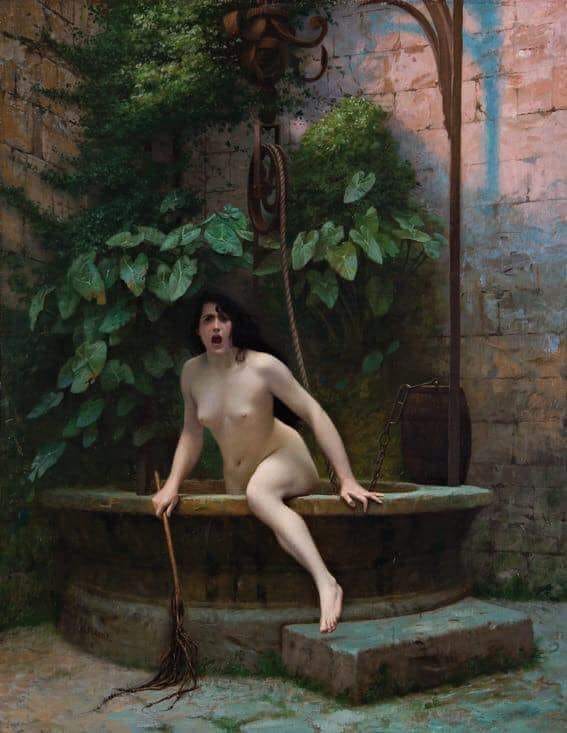
« La légende raconte qu’un jour la vérité et le Mensonge se sont croisés. »
– Bonjour, a dit le Mensonge.
– Bonjour, a dit la Vérité.
– Belle journée, a continué le Mensonge.
Alors la Vérité est allée voir si c’était vrai. Ça l’était.
– Belle journée, a alors répondu la vérité.
– Le lac est encore plus beau, a dit le mensonge avec un joli sourire.
Alors la Vérité a regardé vers le lac et a vu que le mensonge disait la vérité et a hoché la tête.
Le Mensonge a couru vers l’eau et a lancé …
– L’eau est encore plus belle et tiède. Allons nager !
La vérité a touché l’eau avec ses doigts et elle était vraiment belle et tiède. Alors la Vérité a fait confiance au mensonge. Les deux ont enlevé leurs vêtements et ont nagé tranquillement.
Un peu plus tard, le mensonge est sorti, il s’est habillé avec les vêtements de la vérité et il est parti.
La vérité, incapable de porter les habits du mensonge a commencé à marcher sans vêtements et tout le monde s’est éloigné en la voyant nue. Attristée, abandonnée, la Vérité se réfugia au fond d’un puits. C’est ainsi que depuis lors les gens préfèrent accepter le Mensonge déguisé en vérité que la Vérité nue. »
„Legenda spune că într-o zi adevărul și minciuna s-au încrucișat”.– Bună, a spus Adevărul.
– Bună, a spus Adevărul.
– O zi frumoasă, spuse mincinosul
Deci Adevărul a mers să vadă dacă este adevărat. Era.
– Zi frumoasă, apoi a răspuns adevărul.
– Lacul este și mai frumos, a spus minciuna cu un zâmbet frumos.
Așadar, Adevărul s-a uitat la lac și a văzut minciuna spunând adevărul și a dat din cap.
Minciuna a fugit în apă și a spus …
– Apa este și mai frumoasă și mai caldă. Să mergem să înotăm !
Adevărul a atins apa cu degetele și a fost atât de încântătoare și călduță. Deci Adevărul a avut încredere în minciună. Cei doi și-au scos hainele și au înotat în liniște.
Puțin mai târziu a ieșit minciuna, s-a îmbrăcat în hainele adevărului și a plecat.
Adevărul, incapabil să poarte hainele minciunii, a început să meargă fără haine și toată lumea a plecat văzând-o goală. Întristat, abandonat, Adevărul s-a refugiat în fundul unei fântâni. Astfel, de atunci oamenii au preferat să accepte Minciuna deghizată ca adevăr decât Adevărul gol. «
« Legend has it that one day Truth and Lie crossed paths. »
– Hello, said the Lie.
– Hello, said the Truth. – Beautiful day, continued the Lie.
So the Truth went to see if it was true. It was.
– Beautiful day, then answered the truth.
– The lake is even more beautiful, said the lie with a pretty smile.
So the Truth looked to the lake and saw the lie was telling the truth and nodded. The Lie ran into the water and said …
– The water is even more beautiful and warm. Let’s go swimming !
The truth touched the water with her fingers and it was so lovely and lukewarm. So the Truth trusted the lie. The two took off their clothes and swam quietly.
A little later the lie came out, he dressed in the clothes of truth and left.
The truth, unable to wear the clothes of lying began to walk without clothes and everyone walked away seeing her naked. Saddened, abandoned, Truth took refuge at the bottom of a well. Thus since then people have preferred to accept the Lie disguised as truth than the naked Truth. »
O tempora, o mores : quand les enfants buvaient de l’alcool à l’école!
Cela peut nous sembler invraisemblable aujourd’hui mais la bière et le vin était jadis couramment consommé, aussi bien par les femmes enceintes que par les enfants.
Il faut attendre août 1956, par exemple, pour que Pierre Mendès France décide de bannir le vin et la bière… des cantines.
Jusque-là, les enfants pouvaient tranquillement s’envoyer quelques verres de bière ou de jaja à l’école…
Et on nous soutient maintenant que le niveau des élèves ne fait que baisser depuis. Hum…
O tempora, o mores: când copiii au băut alcool la școală!
Ni se poate părea puțin probabil astăzi, dar berea și vinul erau cândva consumate în mod obișnuit, atât de femeile însărcinate, cât și de copii.
Abia în august 1956, de exemplu, Pierre Mendès France a decis să interzică vinul și berea… din cantine.
Până atunci, copiii puteau bea liniștiți câteva pahare de bere sau jaja la școală…
Și acum ni se spune că nivelul studenților a scăzut de atunci. Hmm…
O tempora, o mores: when children drank alcohol at school!
It may seem unlikely to us today, but beer and wine were once commonly consumed, both by pregnant women and by children.
It was not until August 1956, for example, that Pierre Mendès France decided to ban wine and beer… from canteens.
Until then, children could calmly have a few glasses of beer or jaja at school…
And we are now told that the level of the students has only dropped since. Hmm…
La Suisse va perdre des millions à causes des doses non injectées
Par pitié, allez vous faire injecter, sans quoi nous allons perdre 70 millions à cause des vaccins qu’il faudra jeter.
Sans compter les 17 millions de doses commandées. A 20.- la dose, c’est une catastrophe financière.
En 2009, les suisses avaient compris.
RTS, 1er novembre 2009
« Les Suisses rejettent massivement le vaccin contre la grippe H1N1
SONDAGE
86,4% de la population ne se fera pas vacciner contre la grippe H1N1, selon un sondage publié aujourd’hui dans le «Sonntagsblick» et «Il caffè». Une méfiance plus importante encore que vis-à-vis du vaccin contre la grippe saisonnière.
Non, les Suisses n’ont pas peur. Non, ils ne se feront pas vacciner contre la grippe H1N1, malgré les recommandations de l’Office fédéral de la santé publique (OFSP). C’est le résultat d’un sondage publié aujourd’hui par le Sonntagsblick et Il Caffè.L’enquête a été menée par téléphone auprès de 606 personnes de toutes les régions linguistiques par l’institut Isopublic. Elle confirme les réactions de méfiance exprimées sur notre forum.
A la question «Avez-vous peur de la grippe porcine?», 67,8% des Suisses ont répondu «Pas du tout» et 17, 6% «Plutôt pas». 12, 9% a «un peu» peur et 1,4% très peur. Par ailleurs, 86,4% des sondés déclarent qu’ils ne se feront pas vacciner contre la grippe H1N1, un pourcentage légèrement supérieur à celui des Suisses qui rejettent le vaccin contre la grippe saisonnière (83,9%). Même la perspective d’un voyage à l’étranger ne constitue pas une raison de se vacciner pour , 57,3% d’entre eux. Interrogés séparément, les parlementaires rejettent le vaccin dans une proportion de 71,6%.
Le sondage porte aussi sur l’information diffusée par les autorités: 19,6% des sondés la jugent «très exagérée», 39,6% «un peu exagérée». Pour 33,1% elle est adéquate et pour 1,4% insuffisante.Comme le dit, en réaction à ces résultats, Daniel Koch, directeur de la section maladies transmissibles de l’OFSP: «Il n’est pas facile de trouver un juste équilibre entre sous-estimer le danger et créer la panique.»
Elveția va pierde milioane din cauza dozelor neinjectate
Te rog, du-te si injecteaza-te, altfel vom pierde 70 de milioane din cauza vaccinurilor care vor trebui aruncate.
Ca să nu mai vorbim de cele 17 milioane de doze comandate. La 20.- doza, este un dezastru financiar.
În 2009, elvețienii au înțeles.
RTS, 1 noiembrie 2009
„Elvețienii resping în mod covârșitor vaccinul antigripal H1N1
STUDIU
86,4% din populație nu se va vaccina împotriva gripei H1N1, potrivit unui sondaj publicat astăzi în „Sonntagsblick” și „Il caffè”. O neîncredere și mai mare decât față de vaccinul antigripal sezonier.
Nu, elvețienii nu se tem. Nu, nu vor fi vaccinați împotriva gripei H1N1, în ciuda recomandărilor Oficiului Federal de Sănătate Publică (OFSP). Acesta este rezultatul unui sondaj publicat astăzi de Sonntagsblick și Il Caffè. Sondajul a fost realizat telefonic în rândul a 606 persoane din toate regiunile lingvistice de către Institutul Isopublic și confirmă reacțiile de neîncredere exprimate pe forumul nostru.
La întrebarea „Ți-e frică de gripa porcină?”, 67,8% dintre elvețieni au răspuns „deloc” și 17,6% „mai degrabă nu”. 12,9% sunt „puțin” speriați și 1,4% foarte speriați. În plus, 86,4% dintre respondenți spun că nu se vor vaccina împotriva gripei H1N1, un procent puțin mai mare decât cel al elvețienilor care resping vaccinul împotriva gripei sezoniere (83,9%). Nici măcar perspectiva unei călătorii în străinătate nu este un motiv de vaccinare pentru 57,3% dintre ei. Întrebați separat, parlamentarii resping vaccinul în proporție de 71,6%.
Sondajul se concentrează și pe informațiile difuzate de autorități: 19,6% dintre respondenți o consideră „foarte exagerată”, 39,6% „puțin exagerată”. Pentru 33,1% este adecvat și pentru 1,4% insuficient.echilibrul corect între subestimarea pericolului și crearea de panică.”
Switzerland will lose millions due to uninjected doses
Please go inject yourself, otherwise we will lose 70 million because of the vaccines that will have to be thrown away.
Not to mention the 17 million doses ordered. At 20.- dose, it’s a financial disaster.
In 2009, the Swiss understood.
RTS, November 1, 2009
“The Swiss overwhelmingly reject the H1N1 flu vaccine
SURVEY 86.4% of the population will not get vaccinated against the H1N1 flu, according to a poll published today in the “Sonntagsblick” and “Il caffè”. An even greater mistrust than vis-à-vis the seasonal flu vaccine.
No, the Swiss are not afraid. No, they will not be vaccinated against the H1N1 flu, despite the recommendations of the Federal Office of Public Health (OFSP). This is the result of a survey published today by the Sonntagsblick and Il Caffè. The survey was conducted by telephone among 606 people from all linguistic regions by the Isopublic institute. It confirms the reactions of mistrust expressed on our forum.
To the question “Are you afraid of the swine flu?”, 67.8% of the Swiss answered “Not at all” and 17.6% “Rather not”. 12.9% are “a little” scared and 1.4% very scared. In addition, 86.4% of respondents say they will not get vaccinated against the H1N1 flu, a percentage slightly higher than that of the Swiss who reject the seasonal flu vaccine (83.9%). Even the prospect of a trip abroad is not a reason to get vaccinated for 57.3% of them. Asked separately, parliamentarians reject the vaccine in a proportion of 71.6%.
The survey also focuses on the information disseminated by the authorities: 19.6% of respondents consider it « very exaggerated », 39.6% « a little exaggerated ». For 33.1% it is adequate and for 1.4% insufficient. right balance between underestimating the danger and creating panic.”
Nestor Alexander Haddaway (né le 9 janvier 1965) est un chanteur germano-américain d’origine trinidadienne, surtout connu pour son single « What Is Love » en 1993, qui a atteint la première place dans 13 pays.
Haddaway est né à Trinité-et-Tobago en 1965. Sa mère était infirmière et son père était biologiste marin. Ses parents se sont séparés au début des années 1970 et Haddaway a d’abord vécu avec son père en Europe, puis avec sa mère en Amérique. Il a grandi à Chicago et a déménagé dans la région métropolitaine de Washington, DC à l’âge de 9 ans. Écouter Louis Armstrong a encouragé Haddaway à apprendre à jouer de la trompette à l’âge de 14 ans. Il a fréquenté le Meade Senior High School à Fort Meade, Maryland, où il était membre de la fanfare, ce qui l’a finalement amené à former son premier groupe intitulé « Chances ». En 1987, Haddaway s’est inscrit à l’école de médecine, mais a abandonné par manque d’enthousiasme et a déménagé à Cologne, en Allemagne de l’Ouest, où il a principalement travaillé dans des bars. Plus tard, il a créé sa propre entreprise appelée « Energy », qui s’est impliquée dans l’organisation de défilés de mode et de séances photo.
Cultură și cinema: « What is love »
Haddaway
Nestor Alexander Haddaway (născut la 9 ianuarie 1965) este un cântăreț germano-american născut în Trinidad, cunoscut mai ales pentru single-ul său din 1993 „What Is Love”, care a ajuns pe locul 1 în 13 țări.
Haddaway sa născut în Trinidad și Tobago în 1965. Mama lui era asistentă, iar tatăl său era biolog marin. Părinții ei s-au separat la începutul anilor 1970, iar Haddaway a trăit mai întâi cu tatăl ei în Europa, apoi cu mama ei în America. A crescut în Chicago și s-a mutat în zona metropolitană Washington, DC când avea 9 ani. Ascultarea lui Louis Armstrong l-a încurajat pe Haddaway să învețe să cânte la trompetă la vârsta de 14 ani. A urmat cursurile Meade Senior High School din Fort Meade, Maryland, unde a fost membru al fanfarei, ceea ce l-a determinat în cele din urmă să formeze prima sa trupă numită „Chances”. În 1987, Haddaway s-a înscris la facultatea de medicină, dar a abandonat din cauza lipsei de entuziasm și s-a mutat la Köln, Germania de Vest, unde a lucrat mai ales în baruri. Ulterior, și-a creat propria companie numită „Energy”, care a fost implicată în organizarea de prezentări de modă și ședințe foto.
Culture & Cinema: « What is love »
Haddaway
Nestor Alexander Haddaway (born 9 January 1965) is a Trinidadian-born German-American singer best known for his 1993 hit single « What Is Love », which reached number 1 in 13 countries.
Haddaway was born in Trinidad and Tobago in 1965. His mother was a nurse and his father was a marine biologist. His parents separated in the early 1970s and Haddaway first lived with his father in Europe, then with his mother in America. He was raised in Chicago and moved to the Washington, DC metropolitan area at the age of 9. Listening to Louis Armstrong encouraged Haddaway to learn how to play trumpet at the age of 14. He attended Meade Senior High School in Fort Meade, Maryland, where he was a member of the marching band, which eventually resulted in him forming his first group titled « Chances ». In 1987, Haddaway enrolled in medical school, but dropped out due to lack of excitement[4] and moved to Cologne, West Germany, where he mostly worked in bars. Later, he formed his own company called « Energy », which was involved in organizing fashion shows and photo shoot.
Roxy Music était un groupe de rock anglais formé en 1970 par Bryan Ferry, qui est devenu le chanteur principal et principal auteur-compositeur du groupe, et le bassiste Graham Simpson. Les autres membres de longue date étaient Phil Manzanera (guitare), Andy Mackay (saxophone et hautbois) et Paul Thompson (batterie et percussions). Parmi les autres membres figuraient Brian Eno (synthétiseur et « traitements »), Eddie Jobson (synthétiseur et violon) et John Gustafson (basse). Bien que le groupe ait fait une pause dans les activités de groupe en 1976 et à nouveau en 1983, ils se sont réunis pour une tournée de concerts en 2001 et ont tourné ensemble par intermittence au cours des années suivantes. Ferry a fréquemment enrôlé des membres du groupe comme musiciens de session pour ses sorties en solo.
Cultură și cinema « Jealous guy »
Roxy Music
Roxy Music a fost o trupă rock engleză formată în 1970 de Bryan Ferry – care a devenit solistul și compozitorul principal al trupei – și chitaristul bas Graham Simpson. Ceilalți membri vechi au fost Phil Manzanera (chitară), Andy Mackay (saxofon și oboi) și Paul Thompson (tobe și percuție). Alți membri au inclus Brian Eno (sintetizator și „tratamente”), Eddie Jobson (sintetizator și vioară) și John Gustafson (bas). Deși trupa a luat o pauză de la activitățile grupului în 1976 și din nou în 1983, s-au reunit pentru un turneu de concerte în 2001 și au făcut turnee împreună cu intermitențe în următorii câțiva ani. Ferry a înrolat frecvent membrii trupei ca muzicieni de sesiune pentru lansările sale solo.
Culture & Cinéma « Jealous guy »
Roxy Music
Roxy Music were an English rock band formed in 1970 by Bryan Ferry—who became the band’s lead singer and main songwriter—and bass guitarist Graham Simpson. The other longtime members were Phil Manzanera (guitar), Andy Mackay (saxophone and oboe), and Paul Thompson (drums and percussion). Other members included Brian Eno (synthesizer and ‘treatments’), Eddie Jobson (synthesizer and violin), and John Gustafson (bass). Although the band took a break from group activities in 1976 and again in 1983, they reunited for a concert tour in 2001, and toured together intermittently over the next few years. Ferry frequently enlisted band members as session musicians for his solo releases.
Coucou Elsa ; on c’est côtoyé chez “AB” productions
Je me permets de relayer ton clip “Androgine” qui est tout simplement magistral. La musique et la chorégraphie y sont soignés au top des tops. Un seul mot pour résumer : “MAGNIFIQUE”
Tu es belle comme un soleil, belle comme le jour et la nuit mais ne te laisses surtout pas bouffer par ces requins de la finance petite puce.
Sincèrement et avec toute mon amitié.
Stéphane
CULTURĂ ȘI CINEMA: Elsa Esnoult „Androgine”
Bună Elsa; a lucrat împreună la AB Productions (Paris)
Împărtășesc clipul tău „Androgyne”, care este pur și simplu magistral. Muzica și coregrafia sunt de top. Un cuvânt pentru a rezuma: „MAGNIFIC”
Ești frumoasă ca soarele, frumoasă ca ziua și noaptea, dar mai presus de toate, nu te lăsa devorat de acești rechini financiari, îngerașul meu.
Cu stimă și cu toată prietenia mea.
Stéphane
CULTURE & CINEMA: Elsa Esnoult “Androgine”
Hi Elsa; we worked together at AB Productions (Paris)
I allow myself to relay your clip “Androgine” which is quite simply masterful. The music and the choreography are superb, everything is on the top. One word to sum up: “MAGNIFICENT »
You’re as beautiful as the sun, beautiful as day and night, but above all, don’t let yourself be eaten by these financial sharks, sweetheart.
Maladie étrange, MORGELLONS due a des manipulations technologique. Des fils qui pénètrent le corps, et bougent. La nanotechnologie, une haute technologie en pleine expansion, utilisée dans tout les domaines, dans un incertitude totale! Manipulations atomiques qui incitent au rêve du consumérisme, sans percevoir le cauchemar qui peut être engendré. L’homme est un créateur de bonne foi de monstruosités, sous la bonne garde des désirs d’un meilleur confort, et d’une pseudo santé physique. La civilisation en marche? qui nous sauvera? Danger OGM, danger d’être séquencé, danger des additifs des carburants, et danger pour l’homme et son intégrité, jusqu’à sa propre intégrité génétique…
MORGELLONS: IADUL NANOTEHNOLOGIC
Mit sau realitate?
Boală ciudată, MORGELLONS din cauza manipulărilor tehnologice. Fire care pătrund în corp și se mișcă. Nanotehnologia, o tehnologie inalta in plina expansiune, folosita in toate domeniile, in totala incertitudine! Manipulari atomice care incită la visul consumerismului, fără a percepe coșmarul care poate fi generat. Omul este un creator cu adevărat de monstruozități, păzit de dorințe de confort mai bun și de pseudo sănătate fizică. Civilizație în mișcare? cine ne va salva? Pericol de OMG, pericol de a fi secvențial, pericol de aditivi de combustibil și pericol pentru om și integritatea lui, chiar și propria sa integritate genetică…
MORGELLONS: NANOTECHNOLOGICAL HELL
Myth or reality ?
Strange disease, MORGELLONS due to technological manipulations. Threads that penetrate the body, and move. Nanotechnology, a high technology in full expansion, used in all fields, in total uncertainty! Atomic manipulations that incite the dream of consumerism, without perceiving the nightmare that can be generated. Man is a bona fide creator of monstrosities, guarded by desires for better comfort, and pseudo physical health. Civilization on the move? who will save us? GMO danger, danger of being sequenced, danger of fuel additives, and danger for man and his integrity, even his own genetic integrity…
Nothing Else Matters est une chanson du groupe de heavy metal Metallica, figurant sur l’album Metallica (plus souvent nommé Black Album en raison de sa pochette entièrement noire à l’exception d’un serpent gris) sorti en 1991. Elle demeure une des plus connues du groupe.
Cette ballade diffère des compositions habituelles du groupe. Elle commence par une longue introduction jouée à la guitare acoustique. Ses paroles évoquent sur un ton mélancolique l’indépendance et ce qui est le plus important dans la vie. Cette chanson a participé au succès commercial du groupe en lui ouvrant les portes d’une diffusion plus grand public : elle fut ainsi classée à la 34e place au Billboard Hot 100 le . Elle a été reprise par de nombreux groupes hors de l’univers heavy metal. Nothing Else Matters est parfois considérée par certains détracteurs comme le symbole du virage qu’aurait pris le groupe Metallica par rapport à la musique des albums précédents, plus rude, plus thrash et moins commerciale.
Cultură și cinema « Nothing Else Matters »
Metalica
Nothing Else Matters este o melodie a trupei de heavy metal Metallica, care apare pe albumul Metallica din 1991 (numit mai frecvent Black Album din cauza copertii sale complet negru, cu excepția unui șarpe gri). El rămâne unul dintre cei mai buni din grup. . cunoscut.
Această baladă diferă de compozițiile obișnuite ale trupei. Începe cu o lungă introducere interpretată la chitara acustică. Versurile sale vorbesc pe un ton melancolic despre independență și despre ceea ce este cel mai important în viață. Această melodie a contribuit la succesul comercial al grupului deschizând ușile unui public mai larg: a fost astfel clasată pe locul 34 în Billboard Hot 100 în mai 1992. A fost acoperită de multe grupuri din afara universului heavy metal. Nothing Else Matters este văzut uneori de unii detractori ca un simbol al deplasării Metallica de la muzica mai aspră, mai strident și mai puțin comercială a albumelor anterioare.
Culture & Cinema « Nothing Else Matters »
Metalica
Nothing Else Matters is a song by heavy metal band Metallica, featured on the album Metallica (more often referred to as the Black Album due to its all-black cover except for a gray snake) released in 1991. It remains one of best known to the group.
This ballad differs from the band’s usual compositions. It begins with a long introduction played on the acoustic guitar. His lyrics speak in a melancholic tone about independence and what’s most important in life. This song contributed to the group’s commercial success by opening the doors to a wider audience: it was thus ranked at number 34 on the Billboard Hot 100 in May 1992. It has been covered by many groups outside the heavy metal universe. Nothing Else Matters is sometimes seen by some detractors as a symbol of Metallica’s shift away from the rougher, more thrashy and less commercial music of previous albums.