Prends ton violon et prends-moi par la main, marchons vers l’inconnu. Un vent qui frissonne, le soleil qui se lève et la beauté d’une aube nouvelle nous révèlent que la vie est belle.
D’un baptême à un anniversaire en passant par un mariage puis, des planches d’un grand théâtre aux studios des plus grandes chaînes de télévision de son pays, ce jeune roumain de Bucarest, Rares Mihai Florescu déborde d’énergie pour l’art qui le passionne, le violon.
La musique est un langage qu’il connait depuis son plus jeune âge et à 8 ans déjà, il maîtrisait parfaitement plus de 12 instruments de musique. C’est sous l’œil bien veillant de son père, Marius Florescu que ce jeune prodige consacre quotidiennement une grande partie de son temps à son instrument de prédilection.
Ce gosse que je connais depuis des années m’a, comme avec une flèche envoyée par cupidon, transpercé le cœur de son archet.
Praf de ani
A fost odată, viață.
Ia-ți vioara și ia-mă de mână, hai să mergem spre necunoscut. Un vânt tremură, soarele răsare și frumusețea unui nou zori ne dezvăluie că viața este bună.
De la un botez la o zi de naștere, inclusiv o nuntă și apoi, de la scenele unui mare teatru până la studiourile celor mai mari canale de televiziune din țara sa, acest tânăr român din București, Rares Mihai Florescu este debordant de energie pentru artă care fascinează el, vioara.
Muzica este o limbă pe care o cunoaște de mic și la vârsta de 8 ani stăpânește deja peste 12 instrumente muzicale. Sub privirea atentă a tatălui său, Marius Florescu, acest tânăr minune își dedică în fiecare zi o mare parte din timp instrumentului său preferat.
Acest puști pe care îl cunosc de ani de zile, ca o săgeată trimisă de Cupidon mi-a străpuns inima cu arcul viorii lui.
Dust of years
Once upon a time, life.
Take your violin and take me by the hand, let’s walk towards the unknown. A shivering wind, the rising sun and the beauty of a new dawn revealing to us that life is beautiful.
From a baptism to a birthday passing through a wedding and then, from the stages of a major theater to the studios of the biggest television channels in his country, this young Romanian from Bucharest, Rares Mihai Florescu is overflowing with energy for the art that fascinates him, the violin.
Music is a language he has known since a very young age and by the age of 8 he had already mastered more than 12 musical instruments. It is under the watchful eye of his father, Marius Florescu, that this young prodigy devotes a large part of his time daily to his favorite instrument.
This kid I’ve known for years, like an arrow sent by Cupidon pierced my heart with the bow of his violin.
Voici Esope le véritable auteur des fables de
Jean de La Fontaine
Ce que tous les élèves devraient savoir!
Né 700 ans avant J-C, L’Africain Esope originaire du royaume de Kemet qui se situe dans le sud du continent Africain est à l’origine de toutes les fables qui sont aujourd’hui attribuées à Jean de La Fontaine.
Un immense Plagiat culturel.
Ce ne sont pas quelques fables qui ont été plagiées mais l’intégralité de l’Œuvre d’Esope. Nous devons néanmoins admettre que ce vol aura permis à son auteur légitime d’avoir été perpétué jusqu’à aujourd’hui mais il y a un temps pour le mensonge tout comme il y a un temps pour la vérité et comme le dit le dicton: « Rendre à César ce qui est à César »
L’école nous aura une fois de plus menti. Cette institution que je compare à l’allégorie de la caverne de Platon ne nous dévoile que l’ombre de la réalité. Des années d’études pour construire une vie basée sur l’ignorance de la vérité alors que le fait de savoir lire, écrire et compter suffit. L’intelligence fait le reste et dès lors, on peut se baser sur une sélection naturelle.
Ce n’est pas le fait d’être instruit qui empêche quelqu’un d’être un parfait imbécile, la société dans laquelle nous vivons aujourd’hui nous le démontre.
Vidéo:
Retour sur un mensonge ancestral.
Merci à Trema Records.
Literatură: Africa jefuită până în măduvă
(Memento)
Iată-l pe Esope adevăratul autor al fabulelor
lui Jean de La Fontaine
Ce ar trebui să știe toți studenții!
Născut la 700 de ani î.Hr., Esopul african din regatul Kemet care se află în sudul continentului african este la originea tuturor fabulelor care astăzi sunt atribuite lui Jean de La Fontaine.
Un uriaș plagiat cultural.
Nu puține fabule au fost plagiate, dar toată opera lui Esop. Trebuie totuși să admitem că acest furt a permis autorului său legitim să continue până în ziua de azi, dar există un timp pentru minciuni, așa cum este un timp pentru adevăr și, după cum se spune: „Dați Cezarului ceea ce este al Cezarului”.
Școala ne-a mințit din nou. Această instituție, pe care o compar cu alegoria platoniciană a peșterii, dezvăluie doar umbra realității. Ani de studiu pentru a-ți construi o viață bazată pe necunoașterea adevărului atunci când știi să citești, să scrii și să numere este suficient. Inteligența face restul și de acolo ne putem baza pe selecția naturală.
Nu faptul de a fi educat împiedică pe cineva să fie un imbecil perfect, societatea în care trăim astăzi ne arată asta.
Video:
Înapoi la o minciună ancestrală.
Multe mulțumiri Trema Records.
Literature: Africa plundered to the marrow
(Reminder)
Meet Esope, the true author of Jean de La Fontaine’s fables
What all students should know!
Born 700 years BC, the African Aesop from the kingdom of Kemet which is located in the south of the African continent is at the origin of all the fables which are today attributed to Jean de La Fontaine.
A huge cultural plagiarism.
It is not a few fables that have been plagiarized but the entire Work of Aesop. We must nevertheless admit that this theft will have allowed its legitimate author to have been perpetuated until today but there is a time for lies just as there is a time for truth and as the saying goes: « Render unto Caesar what is Caesar’s »
The school will have lied to us again. This institution, which I compare to the Platonic allegory of the cave, reveals only the shadow of reality. Years of study to build a life based on ignorance of the truth when knowing how to read, write and count is enough. Intelligence does the rest and we can then rely on natural selection.
It is not the fact of being educated that prevents someone from being a perfect moron, the society in which we live today shows us that.
Mammatus ou mamma (du latin signifiant mamelle ou mamelon) est un terme qui désigne en météorologie des poches circulaires à la base de nuages convectifs tels les altocumulus et les cumulonimbus. Leur couleur est normalement bleu-gris comme le nuage lui-même mais ils peuvent prendre des tons or ou rougeâtres lorsque le soleil couchant les illumine. Ils sont le plus souvent associés à des orages mais peuvent également se voir sous des nuages non violents comme les altostratus. Mamma est le substantif employé dans les rapports météorologiques (voir METAR) et mammatus est un adjectif (comme dans cumulonimbus mammatus).
Merci à SONY Music.
Mediu: Nori Mammatus
Videoclip filmat în Oklahoma (SUA)
Mammatus sau mamma (din latinescul care înseamnă uger sau mamelon) este un termen meteorologic pentru buzunare circulare de la baza norilor convectivi, cum ar fi norii altocumulus și norii cumulonimbus. Culoarea lor este, în mod normal, albastru-gri precum norul însuși, dar pot lua tonuri aurii sau roșiatice atunci când soarele apus le luminează. Ele sunt cel mai frecvent asociate cu furtunile, dar pot fi văzute și sub nori non-violenți, cum ar fi altostratus. Mamma este substantivul folosit în rapoartele meteo (vezi METAR) și mammatus este un adjectiv (ca în cumulonimbus mammatus).
Mulțumim lui SONY Music.
Environment: Mammatus Clouds
Video filmed in Oklahoma (USA)
Mammatus or mamma (from the Latin meaning udder or nipple) is a meteorological term for circular pockets at the base of convective clouds such as altocumulus clouds and cumulonimbus clouds. Their color is normally blue-gray like the cloud itself, but they can take on gold or reddish tones when the setting sun illuminates them. They are most commonly associated with thunderstorms but can also be seen under non-violent clouds such as altostratus. Mamma is the noun used in weather reports (see METAR) and mammatus is an adjective (as in cumulonimbus mammatus).
Article édifiant de « Charlie Hebdo » publié le 8 août 2022
On y apprend ce que l’on sait déjà … et un peu plus quand même : qu’il faut 2 fois + de CO2 pour construire une voiture électrique que thermique, que les batteries sont majoritairement construites en Chine avec de l’énergie issue du charbon, qu’il faudra de l’énergie nucléaire pour les faire fonctionner, que les mines de métaux rares se trouvent loin (Bolivie, Argentine, Chili, Congo, …) puisque l’Europe n’en produit pas et doit donc tout importer (comment ? en avion pardi ! et sans parler de la main d’œuvre bien exploitée et pressée jusqu’au trognon (sans parler de l’âge des exploités ni de leur santé), etc. etc. …..
Dégoût absolu !
Bref, un beau leurre que ces voitures propres, une pollution déplacée à l’autre bout du monde, des lobbies du véhicule zéro émission avec des beaux jours devant eux mais de très mauvais pour cette pollution environnementale et géopolitique …
Mais je vous rassure, le réchauffement climatique c’est bien de notre faute si le carton de pizza on ne le met pas dans la poubelle appropriée.
Source : Gill Mustang
***** No comment: Electricitate *****
Escrocheria globală a mașinilor electrice
Articol înălțător din „Charlie Hebdo” publicat pe 8 august 2022
Învățăm ceea ce știm deja… și oricum puțin mai mult: că este nevoie de două ori mai mult CO2 pentru a construi o mașină electrică decât una termică, că bateriile sunt construite în principal în China cu energie din cărbune, că energia nucleară va fi necesare pentru a le face să funcționeze, că minele de metale rare sunt departe (Bolivia, Argentina, Chile, Congo etc.) din moment ce Europa nu produce nimic și, prin urmare, trebuie să importe totul (cum? cu avionul desigur! și ca să nu mai vorbim de forță de muncă bine exploatată și presată până în miez (ca să nu mai vorbim de vârsta exploataților sau de sănătatea acestora), etc. etc. …..
Dezgust absolut!
Pe scurt, aceste mașini curate sunt o momeală grozavă, poluarea mutată în cealaltă parte a lumii, lobby-uri de vehicule cu zero emisii cu zile bune înainte, dar foarte proaste pentru această poluare de mediu și geopolitică…
Dar vă asigur că încălzirea globală este vina noastră dacă nu punem cutia de pizza în coșul de gunoi corespunzător.
Sursa: Gil Mustang
***** No comment: Electricity *****
The global electric car scam
Uplifting article from « Charlie Hebdo » published on August 8, 2022
We learn what we already know … and a little more anyway: that it takes twice as much CO2 to build an electric car as a thermal one, that the batteries are mainly built in China with energy from coal, that nuclear energy will be needed to make them work, that the rare metal mines are far away (Bolivia, Argentina, Chile, Congo, etc.) since Europe does not produce any and must therefore import everything (how? by plane of course! and not to mention the well-exploited and pressed labor force to the core (not to mention the age of the exploited or their health), etc. etc. …..
Absolute disgust!
In short, these clean cars are a great scam, pollution moved to the other side of the world, zero-emission vehicle lobbies with good days ahead but very bad ones for this environmental and geopolitical pollution…
But I assure you, global warming is our fault if the pizza box is not put in the appropriate bin.
Nous vivons dans un monde ou
tout est « Illusion »
Le fake devient un fake qui lui-même est le fake d’un fake.
Nous vivons dans un rêve qui n’est autre que l’autre côté du miroir, le puits du lapin blanc. Il ne tient qu’à nous de nous en émanciper et pour cela la solution est simple:
« Si tu veux la lumière, cesses de te cacher dans les ténèbres. »
Trăim într-o lume în care
totul este « iluzie »
Fake devine un fake, care este el însuși fake unui fake.
Trăim într-un vis care nu este altul decât cealaltă parte a oglinzii, fântâna iepurelui alb. Depinde de noi să ne emancipăm de ea și pentru asta soluția este simplă:
„Dacă vrei lumină, nu te mai ascunde în întuneric”.
We live in a world where
everything is « Illusion »
The fake becomes a fake which itself is the fake of a fake.
We live in a dream that is none other than the other side of the mirror, the well of the white rabbit. It is up to us to emancipate ourselves from it and for that the solution is simple:
« If you want the light, stop hiding in the darkness. »
Mark Hollis was the lead singer of Talk Talk, a band known mostly for its 1984 hit « It’s My Life. » NPR’s Guy Raz argues that Hollis’ songwriting shines more on later tracks like « Ascension Day. »
Culture & cinéma : Retour sur image avec Talk Talk
Malheureusement trop vite disparut Mark David Hollis leader du groupe “Talk talk” nous revient histoire de nous rappeler que les années 80 et 90 furent fastes en matière de créations musicales.
Merci à EMI RECORDS
Cultură și cinema : Flashback cu Talk Talk
Din păcate, a dispărut prea repedeMark David Hollis liderul grupului „Talk talk” revine la noi pentru a ne aminti că anii 80 și 90 au fost buni în ceea ce privește creațiile muzicale.
Multe mulțumiri lui EMI RECORDS
Culture & cinema: Flashback with Talk Talk
Unfortunately too quickly disappeared Mark David Hollis leader of the group “Talk talk” comes back to remind us that the 80s and 90s were good in terms of musical creations.
Il y a deux sexes, mâle et femelle. La nature est bien faite, point à la ligne!
La nature est bien faite et à mon humble avis, elle n’a pas besoin de l’intervention de la technologie (magie moderne) pour que la gent humaine aille mieux bien au contraire. Un enfant a besoin de ses parents (père et mère) pour s’épanouir et ce n’est certainement pas dans l’artifice des paillettes, des lumières froides et d’effets de modes complètement surréalistes que l’humanité se démarquera positivement du reste de la création.
Vidéo 1:
Une émission de télévision néerlandaise présente des corps nus sur scène pour montrer aux enfants à quel point il est « normal » d’être transgenre.
A la fin de la vidéo, les enfants finissent par trouver cela normal !
Vidéo 2:
Une maman témoigne et fait l’éloge de la possibilité de voir son fils transgenre.
Vidéo 3:
La transformation de fille en garçon en quelques mois.
Sunt două sexe, masculin și feminin. Natura e bine făcută, punct!
Natura este bine făcută și după umila mea părere, nu are nevoie de intervenția tehnologiei (magie modernă) pentru ca specia umană să fie mai bună, dimpotrivă. Un copil are nevoie de părinții săi (tată și mama) pentru a înflori. Cu siguranță nu în artificiul sclipiciului, al luminilor reci și al efectelor de modă complet suprareale umanitatea se va evidenția în mod pozitiv de restul creației.
Videoclipul 1:
O emisiune TV olandeză prezintă corpuri goale pe scenă pentru a le arăta copiilor cât de „normal” este să fii transgender.
La finalul videoclipului, copiii ajung să creadă că este normal.
Videoclipul 2:
O mamă depune mărturie și laudă posibilitatea de a-și vedea fiul transgender.
Videoclipul 3:
La transformation de fille en garçon en quelques mois.
There are two sexes, male and female. Nature is well done, period!
Nature is well made and in my humble opinion, it does not need the intervention of technology (modern magic) for the human species to be better, quite the contrary. A child needs his parents (father and mother) to flourish. it is certainly not in the artifice of glitter, cold lights and fashion effects completely surreal that humanity will positively stand out from the rest of creation.
Video 1:
A Dutch TV show features naked bodies on stage to show children how « normal » it is to be transgender.
At the end of the video, the children end up finding it normal!
Video 2:
A mom testifies and praises the possibility of seeing her transgender son.
Video 3:
The transformation from girl to boy in a few months.
Colin Vearncombe, dit Black, est un auteur-compositeur-interprète anglais, né le à Liverpool dans le Merseyside et mort le à Cork en Irlande. Depuis 1987, il est connu pour sa chanson « Wonderful Life. »
En 1981, Black chante sa première chanson « Human Features » chez Rox Records de Birkenhead. En même temps, il fait partie d’un groupe, avec Dane Goulding ancien camarade de Blazetroopers à la basse et Greg Leyland un autre ancien camarade à la batterie ; Colin Vearncombe se fait appeler Black de peur que son propre nom de famille ne soit pas mémorisable par le public.
En 1982, la chanson est suivie d’un autre titre indépendant « More than the Sun ». Il se lie d’amitié avec Dave « Dix » Dickie du groupe Last Chant ; tous deux deviennent collaborateurs et signent un contrat chez WEA Records.
En 1985, il écrit une chanson qui a pour titre « Wonderful Life » et l’enregistre indépendamment chez Ugly Man Records. La chanson sera vite remarquée par A&M Records, qui l’engage et l’envoie dans sa carrière internationale.
En 1987, la chanson « Sweetest Smile » atteint le top 10 du UK Singles Chart au Royaume-Uni en juillet 1987. Wonderful Life ressort ensuite et atteint la 8e place de ce classement début septembre. La chanson devient un tube international en 1987. En France, elle est classée pendant vingt semaines au hit-parade, dont cinq semaines en deuxième position et le rend célèbre.
D’autres titres comme « Feel Like Change » (succès en Afrique du Sud) sont passés quasi inaperçus en France. Il a publié quatre albums au cours des années 1980 et 1990, sans connaître le succès qu’il eut en 1987.
Le , Colin Vearncombe est victime d’un très grave accident de la route en Irlande, entre Schull où il vit et l’aéroport de Cork. Souffrant de graves blessures à la tête, il est plongé dans le coma. Il meurt seize jours plus tard, le , à l’âge de 53 ans. Le , une cérémonie religieuse pour lui rendre un dernier hommage a lieu dans la cathédrale anglicane de Liverpool (Merseyside).
Merci à A&M Records.
Cultură și cinema: « Wonderful life »
***** Black *****
Colin Vearncombe, alias Black, este un cântăreț și compozitor englez, născut pe 26 mai 1962 în Liverpool, Merseyside și murit pe 26 ianuarie 2016 în Cork, Irlanda. Din 1987 este cunoscut pentru piesa sa „Wonderful Life”.
În 1981, Black a interpretat prima sa melodie „Human Features” la Rox Records of Birkenhead. În același timp, a făcut parte dintr-o trupă, cu Dane Goulding fost coleg de trupă Blazetroopers la bas și Greg Leyland un alt fost coleg de trupă la tobe; Colin Vearncombe își spune negru de teamă că propriul său nume de familie nu va fi amintit de public.
În 1982, piesa a fost urmată de un alt titlu independent « More than the sun ». Se împrietenește cu Dave „Dix” Dickie din Last Chant; ambii devin colaboratori și semnează un contract cu WEA Records.
În 1985, a scris o melodie intitulată „Wonderful Life” și a înregistrat-o independent pe Ugly Man Records. Piesa va fi remarcată rapid de A&M Records, care îl angajează și îl trimite în cariera sa internațională.
În 1987, piesa „Sweetest Smile” a ajuns în top 10 al UK Singles Chart din Marea Britanie în iulie 1987. Wonderful Life a fost lansat apoi și a ajuns pe locul 8 în acest top la începutul lunii septembrie. Piesa a devenit un hit internațional în 1987. În Franța, a fost clasată timp de douăzeci de săptămâni în topuri, inclusiv cinci săptămâni pe poziția a doua și l-a făcut celebru.
Alte titluri precum „Feel Like Change” (succes în Africa de Sud) au trecut aproape neobservate în Franța. A lansat patru albume în anii 1980 și 1990, fără a experimenta succesul pe care l-a avut în 1987.
Pe 10 ianuarie 2016, Colin Vearncombe a fost victima unui accident rutier foarte grav în Irlanda, între Schull unde locuiește și aeroportul din Cork. Suferind răni grave la cap, a intrat în comă. A murit șaisprezece zile mai târziu, pe 26 ianuarie, la vârsta de 53 de ani. Pe 19 februarie 2016, în Catedrala Anglicană din Liverpool (Merseyside) a avut loc o ceremonie religioasă de a aduce un ultim omagiu.
Mulțumim A&M Records.
Culture & Cinema: « Wonderful life »
***** Black *****
Colin Vearncombe, alias Black, is an English singer-songwriter, born May 26, 1962 in Liverpool, Merseyside and died January 26, 2016 in Cork, Ireland. Since 1987 he has been known for his song « Wonderful Life. »
En 1981, Black chante sa première chanson « Human Features » chez Rox Records de Birkenhead. En même temps, il fait partie d’un groupe, avec Dane Goulding ancien camarade de Blazetroopers à la basse et Greg Leyland un autre ancien camarade à la batterie ; Colin Vearncombe se fait appeler Black de peur que son propre nom de famille ne soit pas mémorisable par le public.
In 1982, the song was followed by another independent title « More than the Sun ». He befriends Dave « Dix » Dickie of the band Last Chant; both become collaborators and sign a contract at WEA Records.
In 1985, he wrote a song titled « Wonderful Life » and recorded it independently on Ugly Man Records. The song will quickly be noticed by A&M Records, which hires him and sends him on his international career.
In 1987, the song « Sweetest Smile » reached the top 10 of the UK Singles Chart in the United Kingdom in July 1987. Wonderful Life was then released and reached number 8 on this chart in early September. The song became an international hit in 1987. In France, it was ranked for twenty weeks on the charts, including five weeks in second position and made him famous.
Other titles like « Feel Like Change » (success in South Africa) went almost unnoticed in France. He released four albums during the 1980s and 1990s, without experiencing the success he had in 1987.
On January 10, 2016, Colin Vearncombe was the victim of a very serious road accident in Ireland, between Schull where he lives and Cork airport. Suffering from serious head injuries, he fell into a coma. He died sixteen days later, on January 26, at the age of 53. On February 19, 2016, a religious ceremony to pay him a last tribute took place in the Anglican Cathedral of Liverpool (Merseyside).
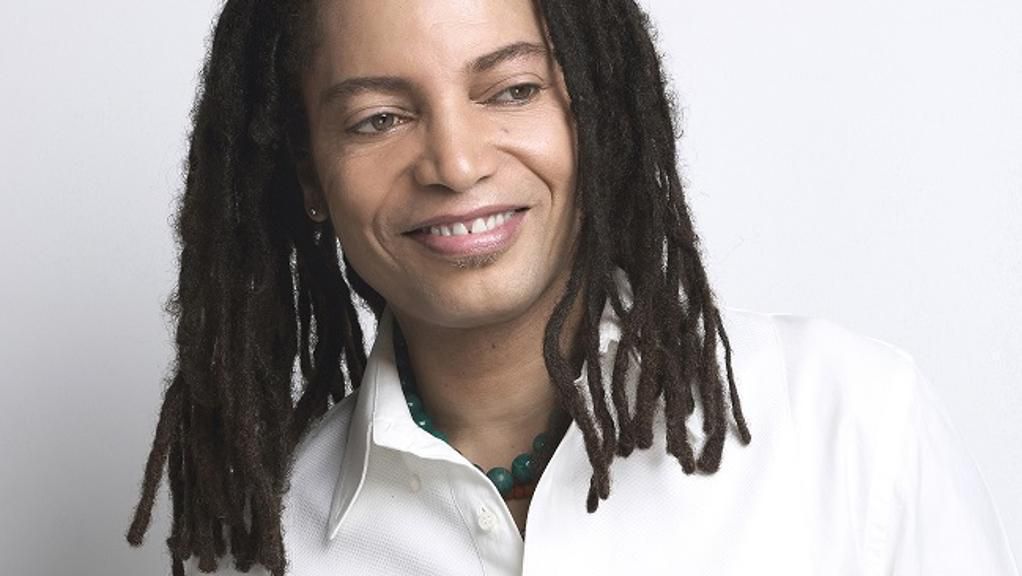
Terence Trent D’Arby, de son vrai nom Terence Trent Howard, né le à New York, est un chanteur et musicien multi-instrumentiste américain.
Il est connu en France pour ses singles Wishing Well et Sign Your Name sortis en 1987.
Il joue de la guitare, du piano, de la basse et des percussions. Il allie la musique soul, R&B, reggae, funk et jazz. Il appelle sa musique Post Millennium Rock. Il se fait aussi appeler Sananda Maitreya depuis le début des années 2000.
Terence Trent D’Arby est le fils de Frances Howard, chanteuse de gospel à New York, qui l’élève avec son mari le révérend James Benjamin Darby, son beau-père, qui l’a reconnu à l’âge de sept ans. Dans son enfance, il chante à la chorale de son école et est rédacteur en chef du journal scolaire. Il passe sa jeunesse dans plusieurs villes des États-Unis, notamment à New York, où il est né, puis à Chicago, dans le New Jersey et en Floride. Il pratique intensément la boxe. En 1980 il gagne un titre important, le « Florida Golden Gloves – lightweigh championship ». Ensuite, il entreprend des études de journalisme à Orlando puis s’engage dans l’armée, dont il sera exclu en 1983 après avoir été jugé pour absence injustifiée. Il se lance alors avec succès dans la musique.
Faisant partie du régiment de l’U.S. Army basé à Hambourg (dont Elvis Presley avait été membre), il commence sa carrière dans un groupe de rock allemand nommé The Touch.
Cultură și cinema: « Sign your name »
***** Terence Trent D’Arby *****
Terence Trent D’Arby, al cărui nume real este Terence Trent Howard, născut la 15 martie 1962 la New York, este un cântăreț și muzician multiinstrumentist american.
Este cunoscut în Franța pentru single-urile sale Wishing Well și Sign Your Name, lansate în 1987.
Cântă la chitară, pian, bas și percuție. Combină muzică soul, R&B, reggae, funk și jazz. El își numește muzica Post Millennium Rock. De la începutul anilor 2000, se mai numește Sananda Maitreya.
Terence Trent D’Arby este fiul cântăreței gospel din New York Frances Howard, care l-a crescut împreună cu soțul ei, reverendul James Benjamin Darby, tatăl său vitreg, care l-a recunoscut când avea șapte ani. În copilărie a cântat în corul școlii sale și a fost redactorul ziarului școlii. Și-a petrecut tinerețea în mai multe orașe din Statele Unite, în special în New York, unde s-a născut, apoi în Chicago, New Jersey și Florida. Practică intens boxul. În 1980 a câștigat un titlu important, „Mănușile de Aur Florida – campionatul la greutatea ușoară”. Apoi, a început să studieze jurnalismul la Orlando și apoi s-a înrolat în armată, din care a fost exmatriculat în 1983 după ce a fost judecat pentru absență nejustificată. Apoi s-a lansat cu succes în muzică.
Făcând parte din regimentul armatei americane cu sediul în Hamburg (din care Elvis Presley fusese membru), și-a început cariera într-o trupă rock germană numită The Touch.
Culture & Cinema: « Sign your name »
***** Terence Trent D’Arby *****
Terence Trent D’Arby, whose real name is Terence Trent Howard, born March 15, 1962 in New York, is an American singer and multi-instrumentalist musician.
He is known in France for his singles Wishing Well and Sign Your Name released in 1987.
He plays guitar, piano, bass and percussion. It combines soul, R&B, reggae, funk and jazz music. He calls his music Post Millennium Rock. He has also called himself Sananda Maitreya since the early 2000s.
Terence Trent D’Arby is the son of New York gospel singer Frances Howard, who raised him with her husband Reverend James Benjamin Darby, his stepfather, who recognized him when he was seven years old. As a child, he sang in his school choir and was the editor of the school newspaper. He spent his youth in several cities in the United States, notably in New York, where he was born, then in Chicago, New Jersey and Florida. He practices boxing intensely. In 1980 he won an important title, the « Florida Golden Gloves – lightweigh championship ». Then, he began studying journalism in Orlando and then joined the army, from which he was expelled in 1983 after being tried for unjustified absence. He then launched himself successfully into music.
Part of the U.S. Army regiment based in Hamburg (of which Elvis Presley had been a member), he began his career in a German rock band called The Touch.